The Art of the Dorama Finale
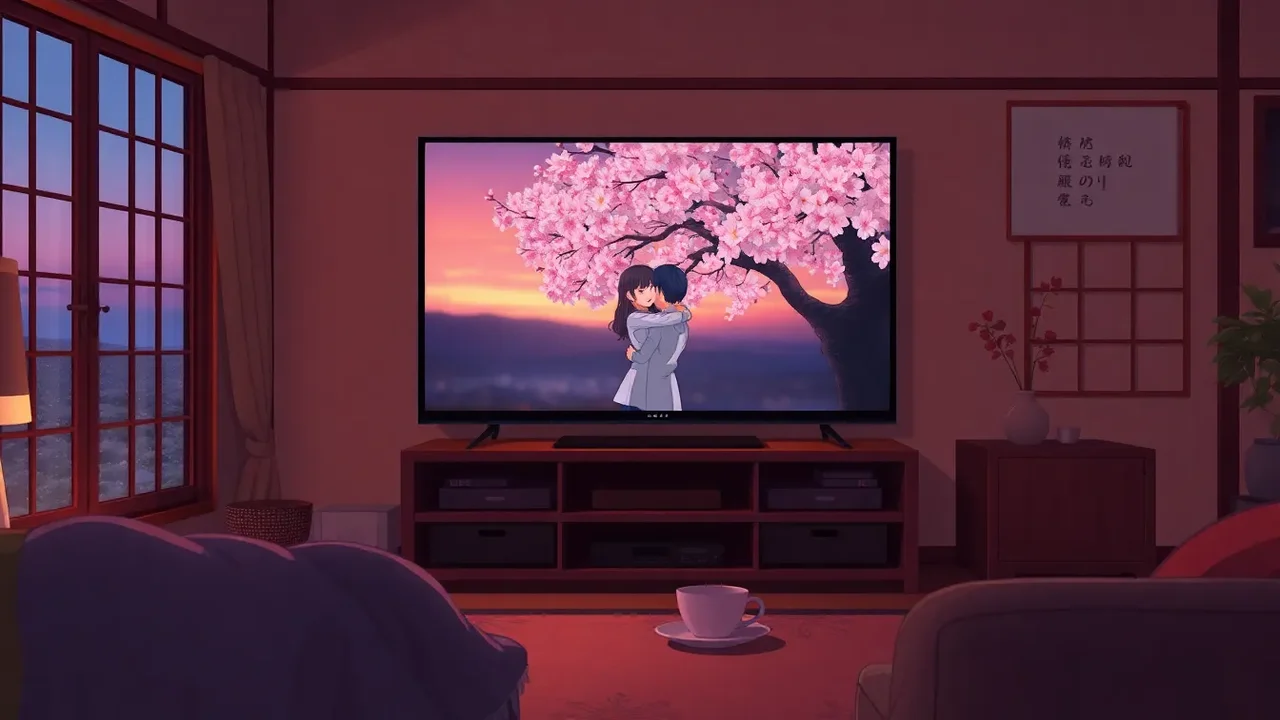
Writing a series finale that satisfies like a dorama requires a deep understanding of emotional catharsis, character growth, and thematic closure. Doramas, particularly Japanese television dramas, are renowned for their ability to deliver endings that feel earned, poignant, and often bittersweet. Unlike Western series that may prioritize plot twists or cliffhangers, dorama finales focus on the internal journey of the characters and the resolution of their emotional conflicts. This approach creates a lasting impression that resonates with audiences long after the credits roll. To achieve this, writers must carefully orchestrate every element—from pacing to dialogue—to ensure that the finale feels like a natural and fulfilling conclusion.
Core Principles of a Satisfying Dorama Finale
Emotional Resonance Over Plot Mechanics
In a dorama, the finale's primary goal is to deliver an emotional payoff. This means prioritizing how characters feel over what happens to them. For example, in the classic dorama "Hana Yori Dango", the final episode focuses on the protagonists' reconciliation and their decision to pursue their dreams together, rather than on external conflicts. The emotional beat—the confession of love and the tearful embrace—is what makes the ending memorable. Writers should ask themselves: What emotional state do I want the audience to be in when the story ends? The answer guides every scene.
Character Arc Completion
Every major character must complete their arc by the finale. This does not mean they must become perfect; rather, they should have learned a lesson, changed a behavior, or accepted a truth. In "Nodame Cantabile", the finale shows Nodame finally gaining confidence as a pianist and Shinichi acknowledging his need for her quirky influence. Their arcs intertwine, and both are resolved. A table can illustrate common character arc types and how they conclude in a dorama finale:
| Arc Type | Example Dorama | Finale Resolution |
|---|---|---|
| Insecurity to Confidence | "Nodame Cantabile" | Nodame performs solo successfully. |
| Coldness to Vulnerability | "1 Litre of Tears" | Main character accepts love and help. |
| Ambition to Contentment | "Rich Man, Poor Woman" | Character chooses relationship over career victory. |
| Isolation to Connection | "Orange Days" | Friendship group reunites with understanding. |
This table shows that the resolution is not about winning or losing, but about internal transformation.
Thematic Closure
A dorama finale should tie back to the central theme. If the series explored "the importance of family", the finale must depict a scene that embodies that theme. For instance, in "Kikazaru Koi ni wa Riyuu ga Atte", the finale highlights the characters choosing to accept each other's flaws, reinforcing the theme of unconditional love. Writers can use a final monologue or a visual symbol—like a gift or a photograph—to bring the theme full circle.
Structural Techniques for the Finale
Pacing and Timing
Dorama finales often follow a three-act structure: the setup of a final obstacle, the emotional confrontation, and the resolution. The last 10 minutes are crucial—they should contain no new plot information, only emotional release. For example, in "Mother", the final moments show the adoptive mother and daughter having a simple conversation under the stars, allowing the audience to process the journey emotionally. Avoid cliffhangers; instead, provide a sense of closure.
Use of Flashbacks and Callbacks
Effective dorama finales weave in callbacks to earlier episodes. A visual or a line of dialogue from the first episode can create a powerful sense of completion. In "Good Morning Call", the finale echoes the opening scene of the couple waking up together, but now their relationship has matured. This technique signals that the characters have come full circle.
Practical Tips for Writing a Dorama-Style Finale
- Start with the emotional climax: Write the final scene first, then work backward to build tension and release.
- Resolve every subplot: Even minor characters need a moment of closure—a glance, a line, or a gesture. In "Hachimitsu to Clover", the side characters get their own quiet farewells.
- Use natural dialogue: Avoid exposition-heavy speeches. Dorama finales rely on subtext and silence. For example, a character simply handing over a object can convey forgiveness.
- Incorporate a final gift or symbol: A shared meal, a letter, or a song can encapsulate the entire series. The song "Can You Keep a Secret?" in "Hero" plays during the finale to evoke nostalgia.
- End with a single, powerful image: Hold on the last shot for a few seconds longer than usual. This gives the audience time to feel. In "Long Vacation", the final shot of the couple walking away is held for 20 seconds.
This list provides a practical roadmap for writers to emulate the dorama sensibility.
Common Mistakes to Avoid
Many finales fail because they prioritize surprise over satisfaction. In a dorama, predictability is acceptable if the emotional journey is genuine. Forcing a twist—like revealing a long-lost twin—can undermine the character work. Another mistake is rushing the resolution; allow scenes to breathe. Lastly, avoid leaving major questions unanswered. Doramas often tie up loose ends with a final montage showing the characters' lives after the main conflict, giving a taste of the future without fully resolving it.
Examples of Masterful Dorama Finales
"1 Litre of Tears" (2005): Based on a true story, the finale is devastating yet uplifting. The main character accepts her illness and finds peace in her family's love. The final shot of her laughing with her mother is a masterclass in bittersweet closure.
"Nobuta wo Produce" (2005): The finale subverts expectations by having the two male leads choose to let go of their friend so she can become independent. The final scene at the train station is both sad and hopeful.
"Mischievous Kiss: Love in Tokyo" (2013): The finale delivers a wedding scene that fulfills the will-they-won't-they tension. Every callback to the first episode makes the moment feel earned.
Adapting Dorama Principles for Western Audiences
While dorama finales are culturally specific, their core techniques can be applied universally. Writers should focus on emotional truth rather than shock value. For a Western series, the finale can incorporate more direct dialogue but should still prioritize character emotion. For example, the finale of "The Office" (US) borrowed from dorama techniques by giving every character a final moment of growth, including a callback to the show's first line: "I love you" from Jim to Pam. That emotional resonance is the hallmark of a dorama finale.
Final Thoughts on Execution
To write a finale that satisfies like a dorama, spend time on the emotional beat sheet. Identify the core emotion for each character and ensure the final episode hits those notes. Rehearse the scenes with actors to find the most natural delivery. And remember: the audience will forgive an imperfect plot if the ending makes them cry or smile. The goal is to leave them with a feeling of closure—a gentle exhale after an emotional storm.
FAQ - Writing a Series Finale That Satisfies Like a Dorama
What is a dorama finale?
A dorama finale refers to the concluding episode of a Japanese television drama, known for its emotional resonance, character-driven closure, and thematic completeness. Unlike Western finales that may prioritize plot twists, dorama finales focus on the characters' internal journeys and leave the audience with a bittersweet, satisfying feeling.
How do I create an emotional payoff in a finale?
To create an emotional payoff, identify the core emotional need of each character and dedicate the finale to resolving that need. Use silence, subtext, and small gestures rather than grand speeches. Build tension through a final obstacle and then release it with a quiet, intimate moment that reflects the series' theme.
Should I include a cliffhanger in a dorama-style finale?
No, dorama finales typically avoid cliffhangers. They aim for closure rather than suspense. Even if a slight ambiguity remains (e.g., characters moving to a new city), the emotional arc must feel complete. The audience should feel that the story has reached its natural end, not that it's waiting for a sequel.
How can I use callbacks effectively in the finale?
Callbacks work best when they reference a pivotal moment from the first episode or a recurring motif. For example, repeat a line of dialogue, reuse a prop, or recreate a scene composition. This creates a sense of circularity and shows how the characters have grown. In a dorama, callbacks often evoke tears of nostalgia.
What is the optimal length for a dorama finale?
Most dorama finales are 45–60 minutes, but the pacing is more important than length. The final 10–15 minutes should be devoted solely to emotional resolution, with no new conflicts introduced. Allow scenes to linger; a long shot of a character's face or a sunset can amplify the emotional impact.
Can a dorama finale be happy but still feel satisfying?
Yes, happy endings are common in dorama finales, but they often include a touch of melancholy or realism to avoid being overly saccharine. For instance, the couple reconciles but one of them must leave for work abroad. The satisfaction comes from the characters' acceptance of the bittersweet nature of life.
A satisfying series finale, like those in Japanese doramas, prioritizes emotional closure over plot twists. Key elements include completing character arcs, reinforcing themes, using callbacks, and allowing quiet moments from which the audience can feel. Writers should aim for bittersweet, earned resolutions that leave viewers with a lasting emotional imprint.
Writing a series finale that satisfies like a dorama is less about intricate plotting and more about honoring the emotional journey of every character. By focusing on resolution, theme, and authenticity, you can create an ending that feels both inevitable and surprising—a gentle farewell that lingers in the heart. Whether your series is a romantic comedy or a tragedy, the dorama approach reminds us that the best endings are not just conclusions, but gateways to reflection.