The Foundation of Dramatic Irony
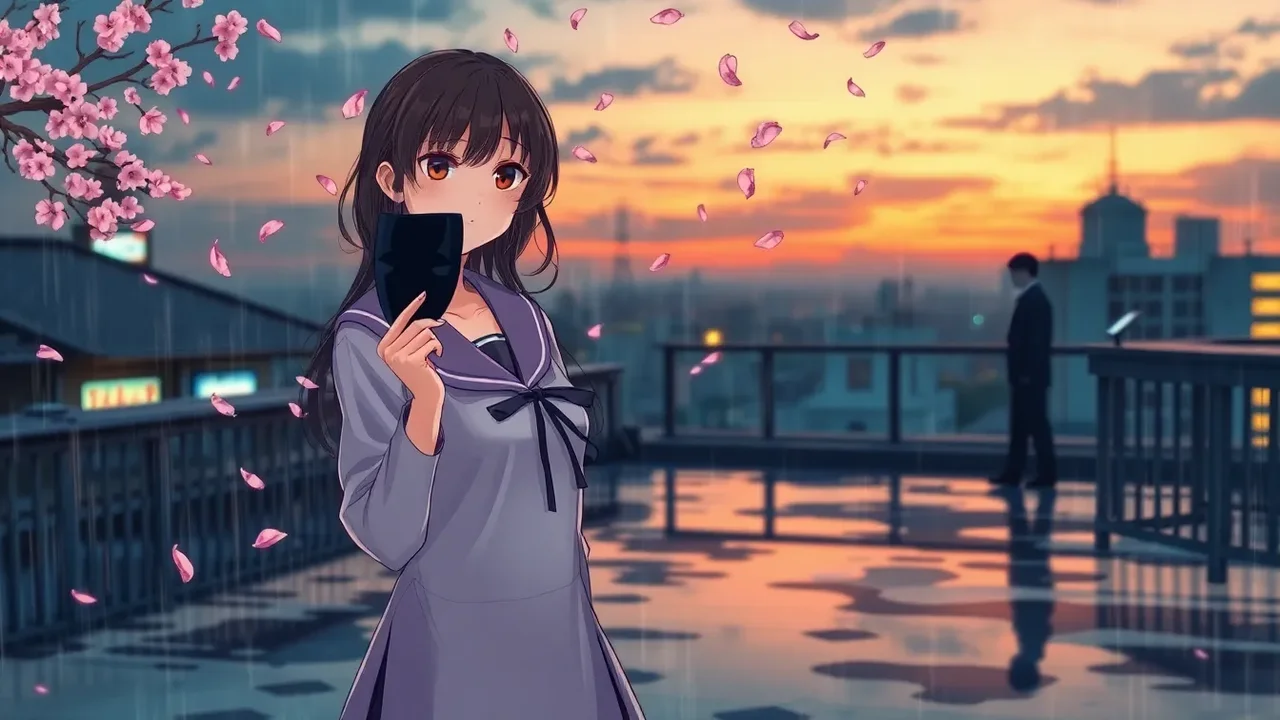
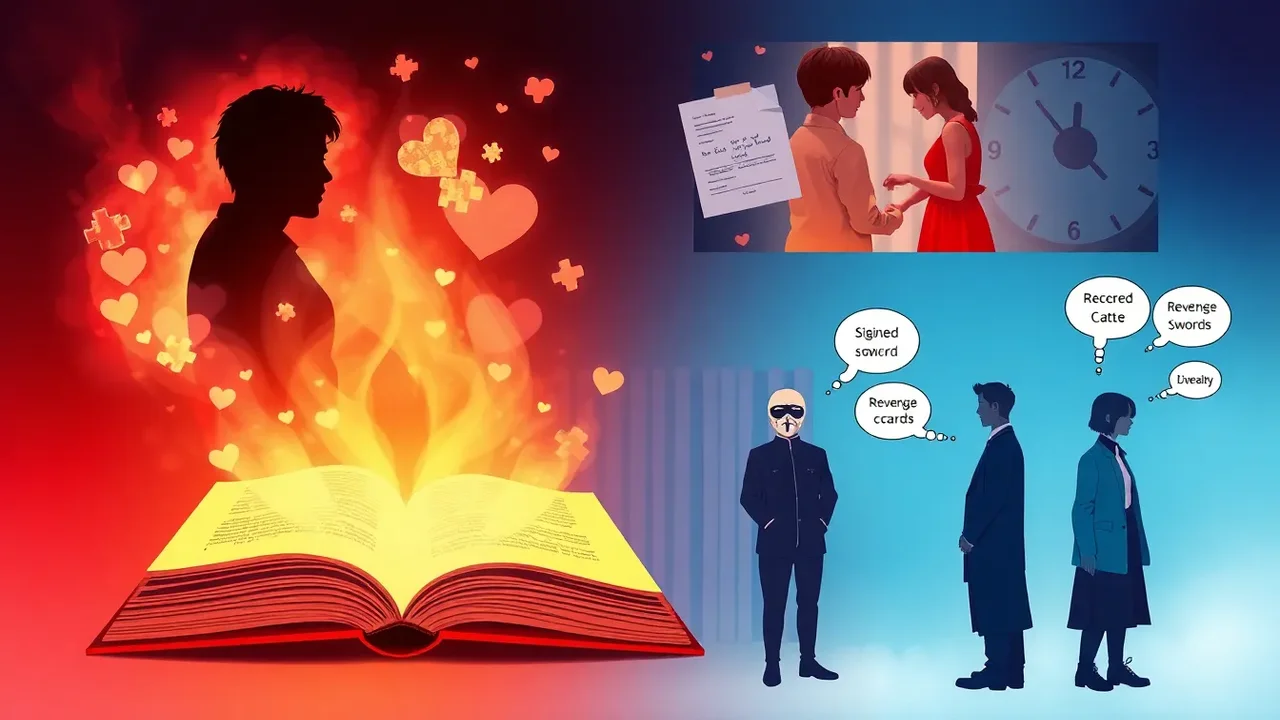
The secret identity twist is the cornerstone of dramatic irony in dorama novels. When a character hides their true self—be it a noble heir living as a commoner, a spy posing as a student, or a famous idol pretending to be an ordinary neighbor—the reader knows a truth that other characters do not. This gap creates tension, humor, and emotional investment. Every scene where the secret is almost exposed becomes a nail-biter. For example, in the classic dorama novel "Hana Yori Dango", the rich heir Tsukasa Domyoji initially hides his wealth and influence, allowing for misunderstandings and comedic clashes with the protagonist. The audience delights in watching the other characters fumble around the truth. Without this twist, the narrative would lack that layer of suspense and engagement.
Character Development and Depth
For the Hidden Character
A secret identity forces the hidden character to navigate two worlds, often leading to profound growth. They must reconcile their dual lives, confront the fear of exposure, and learn whom to trust. In a dorama novel like "Itazura na Kiss", the male lead Naoki Irie hides his deep affection behind a cold facade—a form of emotional secret identity. His gradual opening up drives the romance. Similarly, in a thriller dorama, a spy who falls in love must choose between duty and honesty, adding moral complexity. This internal conflict transforms a flat archetype into a relatable human being.
For Other Characters
The secret identity twist also catalyzes growth for secondary characters. When the truth comes out, their reactions reveal their true colors. Friends might feel betrayed, lovers feel deceived, and enemies gain ammunition. This fallout can propel subplots and deepen relationships. For instance, in "The Secret Life of My Secretary", the boss's identity as a genius programmer hidden behind a clumsy persona challenges his secretary's perceptions and forces her to reassess her own insecurities.
Plot Twists and Pacing
A secret identity is a built-in plot engine. Each near-revelation acts as a mini-cliffhanger, maintaining pacing across chapters. Consider the structure of a typical dorama serial: the first act establishes the secret, the middle act builds the danger of exposure, and the final act delivers the confession or discovery. This three-act rhythm keeps readers turning pages. Moreover, the twist can be layered—a character may have multiple secrets, or the identity might be swapped later. For example, in "My Love from Another Star", the alien identity is revealed early but the secret of his mission and the existence of other aliens creates new layers. The twist is not a one-time gimmick; it evolves.
Romantic Tension and Relationship Dynamics
In romance-focused dorama novels, the secret identity is a powerful device to delay the inevitable union. The will-they-won't-they tension remains high because the protagonist cannot fully commit while living a lie. The moment of revelation often coincides with the climax of the romance—the confession at the rooftop, the rescue at the last second, or the heartfelt apology in the rain. This pattern is so effective that even non-romantic subplots benefit. For instance, a mentorship story where the mentor is secretly the protagonist's estranged parent creates emotional stakes that a straight-forward relationship cannot match.
Examples of Romantic Secret Identities
- The Fake Prince/Princess: A commoner poses as royalty to protect someone, leading to forbidden love.
- The Undercover Lover: A detective or journalist gets close to the target but falls in love, forcing a moral dilemma.
- The Superhero/Superheroine: A world-saving identity clashes with a normal romance, making every date a high-stakes operation.
- The Mistaken Identity: Two characters believe each other to be someone else, creating comedic confusion.
Practical Tips for Writing the Twist
| Aspect | Tip | Common Pitfall |
|---|---|---|
| Establish the secret early | Reveal the hidden identity to the reader in the first or second chapter to maximize dramatic irony. | Waiting too long makes the reader feel misled rather than engaged. |
| Build credible obstacles | Create realistic reasons why the character must hide—social pressure, danger, or a promise. | Flimsy excuses strain believability. |
| Use close calls | Include at least three near-revelations in the middle act to build tension. | Too many coincidences feel contrived; space them out logically. |
| Plan the reveal | Decide whether the secret is discovered accidentally, confessed, or forced out. Each has different emotional impact. | An anticlimactic reveal ruins the buildup. |
| Show consequences | Dedicate at least one chapter to the aftermath—repairing trust, dealing with fallout. | Skipping consequences trivializes the secret. |
Why the Twist Transcends Genre Boundaries
While often associated with romantic comedies, the secret identity twist works in any dorama genre. In a suspense dorama, the secret identity of the killer or the undercover agent maintains mystery. In a family dorama, a parent's hidden past can reshape the family dynamics. In a fantasy dorama, a character might be a reincarnated hero hiding their powers. The universal appeal lies in the core human desire to be truly known and accepted. By leveraging this twist, authors tap into that deep emotional need.
Marketability and Reader Engagement
Publishers and readers love secret identities because they generate buzz. Online fan discussions explode with theories: "Is the CEO actually the street vendor?" "Will the secret brother become a love rival?" This engagement boosts serialization success. For aspiring writers, including a well-crafted secret identity twist can differentiate a dorama novel in a crowded market. It promises surprise, emotional payoff, and reread value—readers often go back to pick up clues they missed.
The Evolution of the Trope
Classic examples like "Beauty and the Beast" (the beast as a cursed prince) and "Cinderella" (lost identity) have evolved into modern dorama variants. Today, secret identities explore digital personas (a gamer who is a CEO in real life, a social media influencer hiding their age), cultural clashes (a diasporan hiding their heritage to fit in), and professional masks (a genius idol who is secretly a nerd). The twist remains evergreen when adapted to contemporary issues.
In summary, the secret identity twist is not merely a cliché—it is a structural necessity for most dorama novels. It provides dramatic irony, character depth, romantic tension, plot momentum, and marketability. Without it, many beloved stories would lose their magic. As you craft your next dorama novel, consider weaving a secret identity into the fabric of your narrative. The results will captivate readers from the first page to the final confession.
Top 5 Reasons to Include a Secret Identity Twist
- Instant Reader Engagement: The secret creates a puzzle that readers love to solve.
- Emotional Payoff: The reveal scene is often the most memorable moment in the story.
- Character Complexity: Dual identities force characters to face internal conflicts.
- Flexible Plot Device: It can be used for comedy, drama, or mystery equally well.
- Sequential Potential: Secrets can be layered across multiple volumes, sustaining long series.
FAQ - Why Every Dorama Novel Needs a Secret Identity Twist
What is a secret identity twist in dorama novels?
A secret identity twist is a plot device where a character hides a significant aspect of their true self—such as wealth, heritage, profession, or abilities—from other characters. This creates dramatic irony, tension, and emotional depth, and is a staple in Japanese-style romance and drama serials.
Why is the secret identity twist so popular in dorama?
It is popular because it generates suspense, fuels romantic tension, and allows for character growth. Readers love the moment of revelation and the subsequent fallout. It also makes the story more marketable by encouraging fan theories and discussions.
Can the secret identity twist work in non-romance dorama novels?
Absolutely. In thrillers, the secret identity can belong to a spy or a hidden villain; in family dramas, it might be a long-lost parent; in fantasy, a reincarnated hero. The twist adds layers to any genre by introducing deception and discovery.
How can I avoid clichés when using a secret identity twist?
Subvert expectations by giving the secret a surprising but logical origin. For example, the hidden heir doesn't have to be rich—they could be a runaway from a cult. Also, focus on the emotional consequences rather than just the shock value. Other characters' reactions should be realistic and varied.
When is the best time to reveal the secret identity?
Typically, the secret is revealed at the climactic moment of the story—often around 80-90% into the narrative. However, some series reveal earlier to shift focus to the aftermath. The key is to build enough tension beforehand so the reveal feels earned and impactful.
Does every secondary character need to be fooled by the secret?
No. Having one or two characters who suspect or accidentally discover the secret early can create a subplot of complicity or blackmail. This adds depth and keeps the main secret from feeling too convenient.
A secret identity twist creates dramatic irony, tension, and emotional depth in dorama novels. It drives romantic plots, develops characters, and engages readers through near-revelations and powerful reveals. This versatile device works across genres, from romance to thriller, and remains a popular trope for its ability to sustain storytelling momentum and spark fan discussions.
Incorporating a secret identity twist into a dorama novel is not just a nod to tradition—it is a strategic narrative choice that elevates the entire story. From boosting reader engagement to enabling profound character arcs, the twist remains one of the most versatile tools in a writer's arsenal. Whether you're crafting a lighthearted school romance or a gritty spy thriller, a well-executed secret identity will keep your audience breathless until the very last page. Embrace the power of hidden truths, and your dorama novel will resonate long after the final chapter closes.