The Complexity of Morality in Dorama Narratives
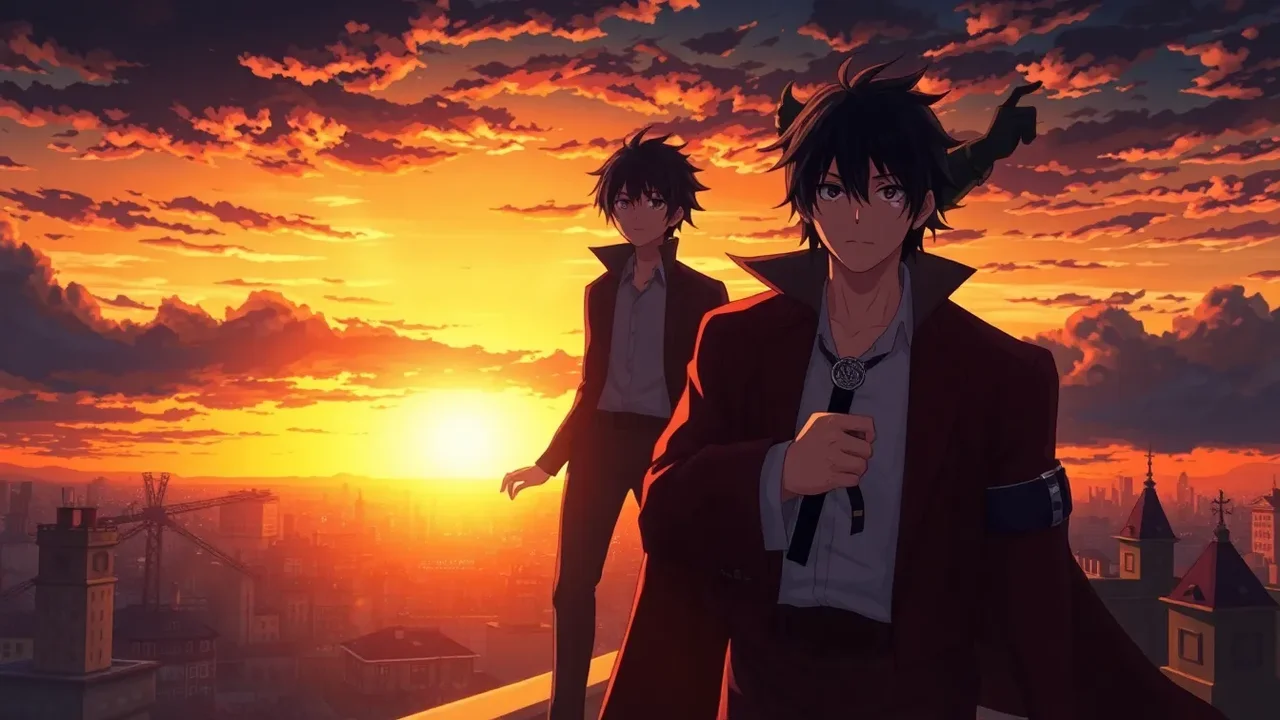
In traditional storytelling, heroes and villains occupy clear moral poles. However, modern dorama novels often blur these lines, introducing villains whose actions, though seemingly antagonistic, stem from motives that resonate with heroic ideals. This narrative technique challenges readers to question the very definition of heroism. A character labeled as a villain may be the true hero because they operate within a morally grey area where the ends justify the means. For instance, a villain who seeks to overthrow a corrupt government might use ruthless methods, yet their ultimate goal is societal liberation. The dorama genre excels at presenting such dualities, embedding psychological depth into characters who defy simple categorization.
This complexity is not accidental. Dorama novels frequently employ layered storytelling, where the protagonist's perspective is not the only valid one. The villain's backstory is often revealed gradually, exposing trauma, betrayal, or a noble cause that was twisted by circumstances. Readers are invited to empathize with the villain, recognizing that their actions, while harmful to the hero, are rational from their own vantage point. This narrative shift can transform the villain into a tragic figure whose heroism is unrecognized by the story's internal world.
How the Villain's Backstory Redefines Heroism
A compelling example is the antagonist who was once the hero's mentor or loved one. Through a series of betrayals or systemic injustices, this character adopts a cynical worldview, believing that only through extreme measures can true change be achieved. Their actions may include sabotage, manipulation, or even violence, but each is justified by a larger moral framework. In many dorama novels, the villain's backstory is revealed through flashbacks that show them saving lives or sacrificing their own happiness for others. This contrast between past and present highlights the tragedy of their transformation.
The Greater Good Philosophy
Villains often operate under a philosophy of the greater good. They may commit atrocities to prevent a greater catastrophe, a classic utilitarian dilemma. For example, a villain who destroys a city to eradicate a deadly virus that would otherwise kill millions. The hero's opposition to such extreme measures may be portrayed as naive or selfish. In this context, the villain becomes a hero who is willing to bear the burden of moral guilt for the sake of humanity. Dorama novels explore this tension vividly, forcing readers to weigh ethical consequences.
Key Traits That Make a Villain a Potential Hero
| Trait | Villain Display | Heroic Interpretation |
|---|---|---|
| Determination | Pursues goals relentlessly, ignoring laws | Shows unwavering commitment to a cause |
| Strategic Mind | Manipulates events and people | Masters complex planning to overcome obstacles |
| Sacrifice | Willing to lose everything, including morality | Sacrifices personal well-being for a greater purpose |
| Emotional Depth | Exhibits rage, sorrow, or coldness | Stems from deep emotional wounds or love |
| Goal Orientation | Often seeks revenge or power | Seeks justice or protection for the oppressed |
The table above demonstrates how traits typically associated with villains can be reinterpreted as heroic when examined through a different lens. This reframing is central to the dorama novel's appeal, as it encourages readers to look beyond surface-level actions.
Practical Implications for Readers and Writers
- For Readers: Develop critical thinking by questioning the protagonist's narrative. Identify biases in storytelling and consider alternative perspectives.
- For Writers: Create villains with coherent moral codes. Use backstory to justify their actions without excusing them. Avoid one-dimensional evil.
- For Adaptations: When adapting dorama novels to screen, emphasize visual cues that reveal the villain's humanity, such as moments of hesitation or kindness.
- For Fans: Engage in community discussions to explore different interpretations of villain motivations. Many fandoms produce analyses that highlight the heroism of antagonists.
The Narrative Device of Unreliable Perspectives
Dorama novels often employ an unreliable narrator or multiple viewpoints to blur the line between hero and villain. The protagonist may be an unreliable source, and the villain's perspective is presented in parallel chapters. This technique allows readers to see the same event from both sides, creating a holistic understanding. For instance, a scene where the hero accuses the villain of betrayal might be reframed when the villain's chapter reveals that the hero had broken a crucial promise first. Such narrative devices force readers to question their allegiances and recognize that heroism is subjective.
Another common device is the villain monologue where the antagonist explains their philosophy in detail. These monologues are often compelling and logically sound, leaving the protagonist without a strong counterargument. The reader may finish the monologue feeling that the villain's reasoning is more sensible than the hero's emotional responses. This dissonance is a hallmark of high-quality dorama writing.
Cultural Context: The Anti-Hero in East Asian Doramas
In East Asian dorama novels, particularly those from Japan, Korea, and China, the figure of the anti-hero is deeply rooted. Confucian values emphasize duty and sacrifice, which can be twisted into extreme actions by a villain. For example, a character who believes that sacrificing a few for the many is a duty may become a villain in the eyes of society. These cultural nuances make the villain's heroism more plausible to local audiences. Additionally, the dorama genre often incorporates melodrama, where emotions are heightened, allowing for grandiose gestures that can be read as either villainous or heroic depending on perspective.
Practical examples from popular dorama novels include the character of a CEO who destroys a rival company to save his family, or a lawyer who manipulates the legal system to fund a hospital for the poor. These actions, illegal and ruthless, are framed as necessary evils. Readers often root for these characters despite their methods.
Moral Dilemmas and the Villain's Choice
At the heart of the question 'why might the villain be the hero' lies the concept of moral dilemmas. Villains are often placed in situations where every choice leads to harm. They choose the lesser evil, while the hero chooses the ideal but unrealistic path. For instance, in a dorama novel about a pandemic, the villain might decide to quarantine an entire city, causing economic collapse but saving lives. The hero might oppose the quarantine, arguing for individual freedom, but this leads to more deaths. The villain's pragmatic decision, though harsh, is arguably more heroic.
This utilitarian perspective is rarely the hero's strong suit. Heroes are often portrayed as idealists who refuse to compromise. The villain, burdened with the knowledge of hard truths, becomes the unwitting savior. The story then explores the cost of such heroism: isolation, guilt, and being misunderstood.
Emotional Resonance: Why Readers Sympathize with Villains
Readers often find themselves emotionally drawn to villains who seem more relatable than the hero. The hero may be perfect, moral, and boring, while the villain struggles with real flaws. The villain's anger, jealousy, or grief are emotions everyone experiences. When the villain's backstory includes a loss that mirrors the reader's own, the emotional bond strengthens. Dorama novels capitalize on this by giving villains poignant moments of vulnerability. A villain crying over a photo of a lost loved one humanizes them instantly. This emotional connection can lead readers to root for the villain, hoping they will succeed or find redemption.
Moreover, the villain often undergoes a more dramatic character arc than the hero. Their fall from grace and potential redemption is compelling. The question of whether the villain will eventually become the hero is a driving force in the plot.
Common Tropes Where Villain is the Hero
- Byronic Hero: A brooding, morally ambiguous figure who defies society's rules but has a noble heart.
- Anti-Villain Turned Hero: A character who starts as antagonist but eventually joins the protagonist after aligning goals.
- Misunderstood Genius: A brilliant strategist whose plans are seen as evil but actually prevent catastrophe.
- Villain with a Cause: A revolutionary fighting against oppression, using terrorism as a tool.
These tropes are commonly employed in dorama novels to create complex narratives that challenge the reader's morality and highlight the potential heroism within the villain.
FAQ - Why This Dorama Novel’s Villain Might Be the Hero
What makes a villain in a dorama novel a potential hero?
A villain may be considered a hero when their actions, though harmful to the protagonist, stem from noble intentions, a tragic backstory, or a utilitarian perspective aimed at the greater good. The narrative often reveals their motives gradually, making readers reconsider their initial judgment.
Can a villain's redemption arc qualify them as the true hero?
Yes, many dorama novels feature redemption arcs where the villain sacrifices themselves or changes their ways. In some cases, the villain's transformation is more compelling and heroic than the protagonist's static morality.
How do cultural differences affect the perception of villain-hero in dorama?
East Asian cultures often value collective good over individual rights, so a villain who sacrifices few for many may be seen as heroic. Confucian and Buddhist themes also influence moral ambiguity.
Why do readers sometimes prefer the villain over the hero?
Villains are often more relatable with flawed personalities and emotional depth. Their struggles and complex motivations can seem more realistic than a perfect hero, creating a stronger emotional connection.
What narrative techniques make the villain seem heroic?
Techniques include unreliable narrators, parallel perspectives, villain monologues, and flashback backstories that justify actions. The author may also show the hero's flaws while highlighting the villain's strengths.
Are there real-world examples from popular dorama novels?
Fictional examples include characters like a CEO who destroys a conglomerate to expose corruption, or a lawyer who manipulates the legal system to free innocent prisoners. These characters are labeled villains but achieve heroic outcomes.
In dorama novels, villains often possess heroic traits like sacrifice, determination, and noble intentions, challenging the traditional hero-villain dichotomy. Through backstory, moral dilemmas, and narrative techniques, these characters can be reinterpreted as the true heroes, offering readers a deeper understanding of morality and perspective.
In the nuanced world of dorama novels, the line between villain and hero is not a fixed boundary but a shifting spectrum. By exploring the villain's perspective, readers gain insight into the complexity of moral choices, often finding that the so-called villain embodies the very principles of sacrifice, determination, and love that define heroism. This literary device not only enriches storytelling but also encourages readers to question their own judgments and biases, ultimately revealing that true heroism may wear many faces—sometimes the most unexpected ones.