Understanding the Role of Voiceovers in Dorama Novels
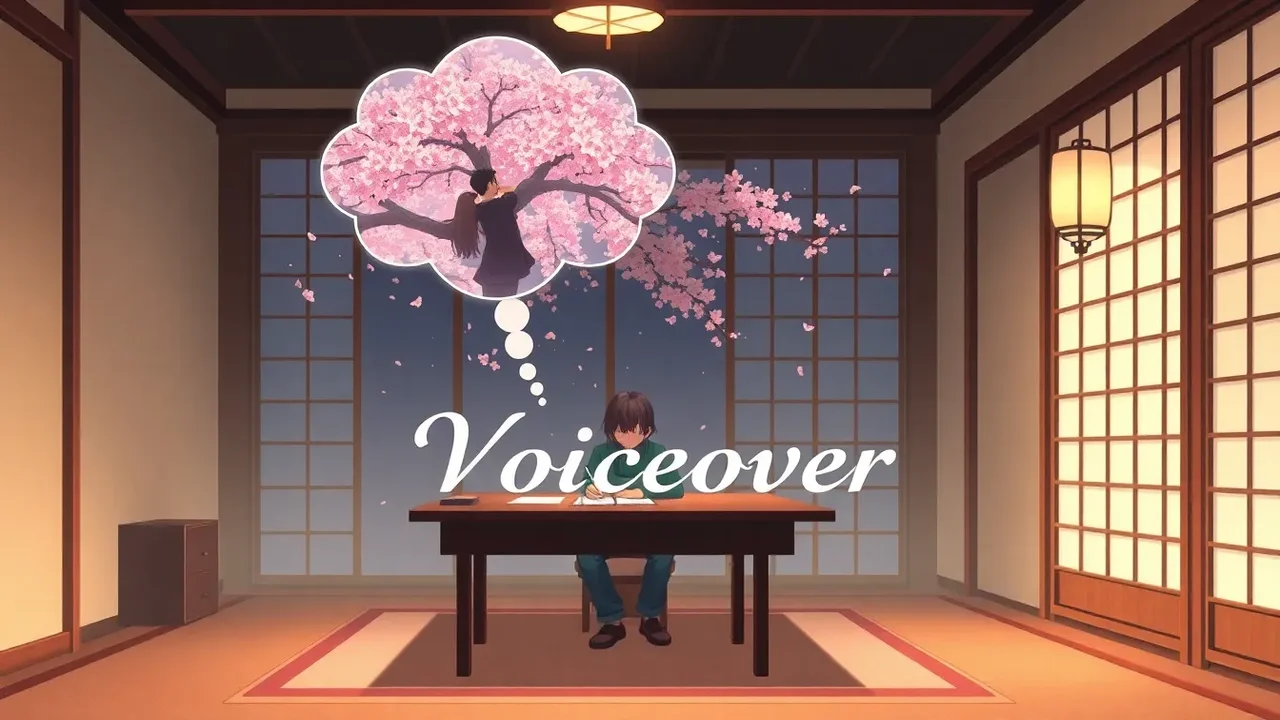
Voiceovers in a dorama novel serve as a powerful narrative tool that allows the author to convey a character's inner world directly to the reader. Unlike traditional novels where internal monologue is woven into prose, a dorama novel benefits from a more cinematic approach, often mimicking the techniques used in Japanese television dramas. Voiceovers can reveal hidden emotions, provide backstory, or offer commentary on unfolding events without interrupting the visual flow of the story. When used judiciously, they deepen the emotional resonance and create a sense of intimacy between the protagonist and the audience. However, overuse can lead to redundancy or a feeling of being told instead of shown. Understanding the precise moments to deploy a voiceover is crucial for maintaining pacing and impact.
Key Moments for Effective Voiceover Integration
Emotional Climaxes
During peak emotional scenes—such as a confession of love, a heartbreaking betrayal, or a moment of profound loss—a voiceover can amplify the intensity by allowing the character to articulate feelings they cannot express aloud. For example, in a scene where the heroine watches her first love walk away, a voiceover might whisper: "I knew this moment would come, but the weight of it still crushes my chest." This technique gives readers direct access to the character's vulnerability, making the scene more poignant.
Flashback Sequences
Flashbacks are a staple of dorama novels, often used to reveal crucial backstory or to juxtapose past and present emotions. A voiceover can smoothly transition into a flashback by having the character reflect on a memory. For instance, the protagonist might say, "Three years ago, I stood in this same café, but back then, I didn't know the truth." The voiceover then guides the reader into the past, providing context without needing clunky transitions. This method keeps the narrative fluid and enhances the dramatic irony.
Character Development Insights
Voiceovers are ideal for showcasing a character's growth or internal conflict. When a character makes a decision that contradicts their earlier beliefs, a voiceover can explain the reasoning behind the change. For example, a stoic male lead might think, "I used to believe that love was a weakness. But now, I realize it's the only thing that makes me strong." Such moments allow readers to witness the character's evolution in real time, making the arc more believable and engaging.
Suspense and Mystery
In thriller or mystery dorama novels, voiceovers can build suspense by hinting at information the character is withholding. The reader becomes aware of the character's hidden knowledge, creating dramatic tension. For instance, a detective might think, "I knew the alibi was too perfect. But I couldn't reveal my suspicions yet—not without proof." This technique keeps readers on edge, eager to see how the truth will unfold.
Transitions Between Scenes
Voiceovers can serve as a bridge between different scenes or time periods, providing a seamless flow. A character might reflect on the passage of time, such as, "A week later, everything had changed. The cherry blossoms had fallen, and so had my illusions." This not only transitions the narrative but also sets the emotional tone for the upcoming scene.
Technical Considerations for Voiceover Writing
Tone and Timing
The tone of the voiceover must match the character's personality and the scene's mood. A comedic dorama might have witty, self-deprecating inner thoughts, while a tragic one requires somber, poetic reflections. Timing is equally critical; voiceovers should be inserted at natural pauses in the action, not during rapid dialogue or high-intensity sequences where they would disrupt the rhythm.
Balancing Show vs Tell
One of the biggest challenges is avoiding over-reliance on voiceovers to explain everything. The rule of thumb is to show the emotion through actions and dialogue first, then use voiceovers to deepen the understanding. For example, instead of having a character think "I was angry," show them clenching fists or speaking sharply, then use a voiceover to reveal the underlying hurt: "But beneath the anger was a wound I thought had healed."
Integrating with Dialogue
Voiceovers can be woven into scenes where dialogue is happening. A character might listen to another person speak while their inner voice offers a contrasting perspective. For instance, during a tense conversation, the voiceover might say: "She smiled, but I knew that smile. It was the one she used when she was hiding something." This creates a layered narrative that enriches the reader's experience.
Common Pitfalls to Avoid
- Overusing voiceovers – If every other paragraph has a voiceover, the narrative becomes cluttered and loses impact. Reserve them for moments that truly benefit from direct internal access.
- Using voiceovers for exposition – Avoid dumping backstory through voiceovers. Instead, let the information be revealed naturally through dialogue or action, with voiceovers only adding emotional context.
- Inconsistent voice – The voiceover should sound like the character's natural thoughts, not the author's. Pay attention to vocabulary, sentence structure, and cultural references that match the character's background.
- Ignoring pacing – A long voiceover in the middle of a fast-paced chase scene can kill momentum. Keep voiceovers brief during action sequences and longer during reflective moments.
- Revealing too much – Voiceovers that spoil future plot twists can reduce suspense. Use them to hint, not to explain everything upfront.
Examples of Voiceover Usage in Popular Dorama Novels
| Novel Example | Voiceover Use | Effect |
|---|---|---|
| "A Silent Promise" | Protagonist reflects on a childhood promise during a reunion scene. | Creates emotional depth and nostalgia, making the reunion bittersweet. |
| "The Last Summer Rain" | Voiceover reveals the character's secret fear during a storm. | Builds suspense and sympathy for the character's vulnerability. |
| "Echoes of the Heart" | Inner monologue during a confession scene contrasts spoken words. | Highlights the gap between what is said and what is felt, adding dramatic irony. |
| "Fading Photographs" | Voiceover accompanies a flashback to a happier time. | Enhances the tragedy of the present situation by showing the contrast. |
Practical Tips for Aspiring Writers
- Read your voiceovers aloud – This helps you catch unnatural phrasing and ensures the voice fits the character.
- Use italics or a distinct formatting – In the manuscript, set voiceovers apart (e.g., italicized or with a special tag) to help readers distinguish them from narration.
- Limit voiceovers per chapter – A good rule is no more than three to four significant voiceover moments per chapter, depending on length.
- Experiment with different types – Try direct address ("I knew..."), reflective ("Looking back..."), or questioning ("Why did I...?") to vary the rhythm.
- Study dorama scripts – Watch Japanese dramas and note how voiceovers are used in key scenes. Adapt those techniques to your novel's prose.
- Get feedback – Ask beta readers to mark where voiceovers felt intrusive or where they wished for more internal insight.
Voiceovers are a versatile device that, when mastered, can elevate your dorama novel from a simple story to a deeply immersive emotional journey. The key lies in choosing the right moments—those where the character's inner world demands to be heard. By balancing show and tell, maintaining consistent tone, and avoiding common pitfalls, you can use voiceovers to create unforgettable moments that resonate with readers long after they close the book.
FAQ - When to Use Voiceovers in Your Dorama Novel
What is the primary purpose of a voiceover in a dorama novel?
The primary purpose is to provide direct access to a character's inner thoughts, emotions, or memories, enhancing emotional depth and creating intimacy between the reader and the protagonist without disrupting the narrative flow.
How can I avoid overusing voiceovers in my dorama novel?
Reserve voiceovers for pivotal emotional moments, flashbacks, or transitions. Limit them to three or four per chapter, and always ensure they add value that cannot be achieved through action or dialogue alone.
Should voiceovers be written in first-person or third-person?
Typically, voiceovers are written in first-person to match the character's perspective, even if the overall novel uses third-person. This maintains the intimate feel. However, a third-person limited voiceover can work if it stays close to the character's thoughts.
Can voiceovers be used for secondary characters?
Yes, but sparingly. Switching to a secondary character's voiceover can provide alternative perspectives or reveal hidden motivations. Ensure the transition is clear and serves the story's purpose without confusing the reader.
How do I format voiceovers in the manuscript?
Common formatting includes italics, a distinct font, or a separate line with a tag like 'Voiceover:' or 'Inner thought:'. Consistency is key; choose a method and stick with it throughout the novel.
What is the difference between a voiceover and internal monologue?
Internal monologue is a continuous stream of thoughts often woven into the narrative, while a voiceover is a deliberate, often brief insertion that feels more cinematic—like a character speaking directly to the reader. Voiceovers are more structured and used for emphasis.
Voiceovers in dorama novels add emotional depth by revealing characters' inner thoughts during key moments like climaxes, flashbacks, and transitions. Use them sparingly to avoid redundancy, balance show vs tell, and ensure consistent tone. Proper integration enhances intimacy and dramatic impact, making your story resonate with readers.
Mastering the use of voiceovers in your dorama novel is an art that requires careful consideration of timing, tone, and narrative purpose. When deployed at emotional climaxes, during flashbacks, or to reveal character growth, voiceovers can transform a good story into an unforgettable one. By avoiding common pitfalls such as overuse or exposition dumping, and by integrating voiceovers seamlessly with dialogue and action, you can create a rich, layered reading experience that mirrors the best of Japanese drama. Remember, the goal is to let the reader hear the character's heart—not just their words.