The Power of Musical Description in Scene Crafting
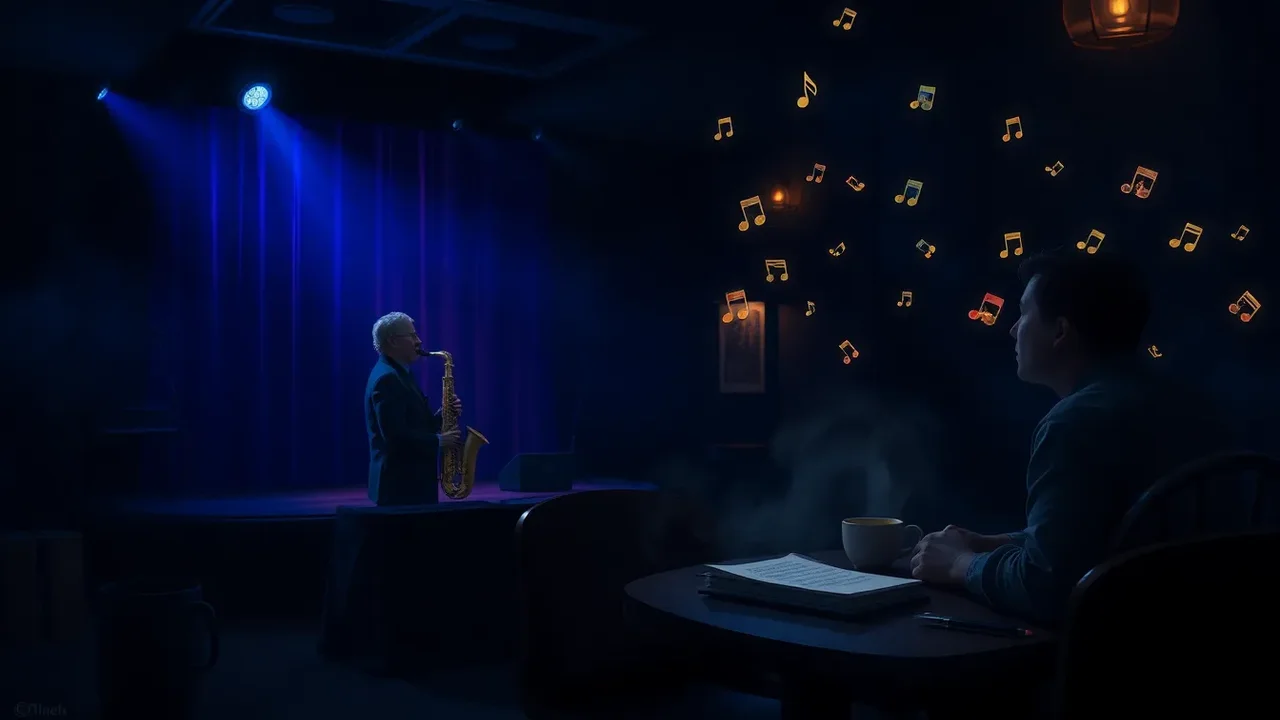
When you write a scene, you are not just describing what characters do or say; you are crafting an emotional journey. One of the most potent tools for this is the description of music. By telling your reader what music is playing, how it sounds, and how it affects the characters and the atmosphere, you can instantly set the mood, evoke specific emotions, and deepen the immersion. This technique works because music is a universal emotional trigger—it bypasses rational thought and speaks directly to our feelings. A well-placed musical description can transform a flat narrative into a vivid, cinematic experience.
Why Music Descriptions Are Effective
Music carries intrinsic emotional associations. A minor key can suggest sadness or tension, while a major key often feels joyful or triumphant. The tempo, instrumentation, and dynamics all contribute to the emotional texture. When you describe music in a scene, you are providing your reader with a ready-made emotional lens through which to view the action. Instead of telling the reader that a character feels tense, you show them the environment reacting through sound. This is a form of 'show, don't tell' that leverages the reader's own musical memory and emotional responses.
Moreover, music descriptions can be layered with symbolism. A song from a character's past might evoke nostalgia, while a dissonant, atonal piece could signal disorder or madness. Using music description allows you to communicate complex emotional states without heavy exposition. It also helps distinguish characters—a villain might prefer aggressive, pounding industrial music, while a romantic lead might have a soft piano melody playing in their memories.
Techniques for Describing Music in Text
Using Sensory Language
To describe music effectively, engage all the senses, not just hearing. Tell the reader what the music feels like (vibrations through the floor, the pressure of bass), what it looks like (the swaying of a conductor, the shine on a guitar), and even what it smells like (the rosin on a bow, the dusty air of a music hall). This creates a fully immersive scene. Use strong verbs like 'thrummed', 'pierced', 'whispered', 'crashed', or 'soared'. Instead of saying 'the music was loud', say 'the bass drum thrummed through the floorboards, rattling the glassware on the shelves.'
Emotionally charged adjectives are also key. Words like 'melancholic', 'jubilant', 'mournful', 'aggressive', 'soothing', 'jarring', or 'hypnotic' immediately convey the mood. Combine these with tempo and dynamic descriptors: 'a slow, mournful cello phrase', 'a frenetic, staccato piano riff', 'a swelling, triumphant orchestral chord.' The goal is to create a soundscape in the reader's mind.
Referencing Existing Music
A powerful shortcut is to reference a well-known piece of music or genre. For example, 'The soundtrack of a noir detective film, with a smoky saxophone and a lonely trumpet, filled the room' instantly evokes a specific mood. Similarly, 'The room echoed with a Gregorian chant, its ancient melody hanging in the cold air' creates a sense of mystery or sanctity. Be careful, however, not to rely too heavily on this as it may alienate readers unfamiliar with the reference. Use it to reinforce the mood, not to define it entirely.
Creating Original Musical Descriptions
Original descriptions give you total control. Describe the music in terms of texture, rhythm, and emotion rather than naming a specific song. For instance: 'The music was a jagged, metallic screech, like grinding gears and shattered glass wrapped in a relentless, off-beat pulse.' This paints a vivid picture of aggressive, disturbing music. For a gentle scene, you might write: 'The piano notes fell like droplets of warm honey, each one lingering in the air before softly disappearing.' These metaphors and similes are your most powerful tools.
Practical Examples for Different Moods
Here is a table demonstrating how to adjust music descriptions for various scene moods, using specific musical elements.
| Desired Mood | Tempo | Key/Scale | Instrumentation | Sample Description |
|---|---|---|---|---|
| Fear/Tension | Slow to moderate, irregular | Minor, dissonant | Strings (low, glissandi), percussion (creaking), electronic drones | "A single, drawn-out cello note quivered in the dark, then a sharp, metallic sting cut through the silence, like a needle on a nerve." |
| Joy/Celebration | Fast, driving | Major | Brass, piano, drums, full orchestra or band | "The brass section erupted in a blazing fanfare, a cascade of major chords that felt like sunshine bursting through clouds, lifting every heart in the room." |
| Sadness/Nostalgia | Slow, rubato (with some freedom) | Minor | Solo piano, acoustic guitar, violin | "A melancholy piano melody, hesitant and fragile, floated above a bed of soft, weeping strings. Each note seemed to hold a memory, a question left unanswered." |
| Mystery/Intrigue | Moderate, syncopated | Modal (e.g., Phrygian) | Flute, harp, ethnic percussion, whispering voices | "The sound was an eerie, warbling flute melody, dancing over the soft thrum of a hand drum. It was ancient and unsettling, like a song from a forgotten world." |
| Romance/Intimacy | Slow to moderate, legato | Major with suspended chords | Piano, soft strings (cello), a single voice | "A warm, husky voice sang a simple love song, accompanied by the gentle caress of a piano. The melody wrapped around them like a soft blanket, promising safety and desire." |
Integrating Music Description with Character and Plot
Music descriptions should serve the story. They can reveal character by showing what music they choose to play or listen to. A character who listens to 'aggressive, distorted noise' might be angry or rebellious, while one who prefers 'classical string quartets' may be refined or melancholic. Music can also foreshadow events; a recurring theme can signal danger or hope. For example, if a joyful song plays every time a couple meets, its later absence can indicate their separation.
Use music to pace your narrative. A fast, pulsing rhythm can quicken the reader's heartbeat during an action scene. A slow, sparse piece can draw out tension or allow for reflection. The description of music can also be used to transition between scenes. The fading of a song can signal the end of a chapter, while a new tune can begin a new emotional journey.
Common Pitfalls to Avoid
While powerful, music description can be overused. Avoid long, technical explanations that slow down the story. Do not list every instrument unless it serves a purpose. Also, avoid clichés: 'The music swelled' can be effective, but overuse makes it bland. Be original. Another pitfall is being too vague. Saying 'the music was nice' does nothing for the mood. Be specific, emotional, and sensory. Finally, ensure the music fits the scene's cultural and historical context. A heavy metal riff in a 19th-century drawing room would be jarring unless intended for effect.
Practical Exercise: Crafting a Scene
To practice, take a simple scene: a character walking home at night. Instead of just describing the street, describe the music in their headphones or the music from a nearby bar. For example: 'The tinny pop song from his earbuds was a desperate cheerfulness, an upbeat major key that felt like a lie in the rain-soaked, empty street. The bass thumped weakly, a false heartbeat in the silence.' This transforms a mundane action into a moment of emotional depth, revealing the character's loneliness through the contrast between the song's energy and their reality.
The Psychological Impact of Musical Descriptions
Music directly affects the brain's limbic system, which governs emotions and memory. By describing music, you can trigger similar responses in your reader. Use this knowledge to your advantage. For scenes requiring deep empathy, describe music that is intimate, like a 'fragile, quiet guitar that he played only for her.' For scenes of chaos, use 'cacophony, a roar of distorted voices and clashing cymbals.' The brain processes these descriptions as near-real auditory experiences, making the reader feel the emotion more intensely than a simple narrative of events.
Furthermore, you can use music to represent internal conflict. A character trying to stay calm might hear 'an insistent, arrhythmic tapping on the window' that grows into 'a cacophony of inner turmoil.' Music can also be a bridge between characters—a shared song can create instant intimacy or conflict. A character who hates the same music as another might bond, while a character who prefers a different style might find themselves at odds. This adds another layer to your storytelling.
Advanced Techniques: Leitmotifs and Diegetic vs. Non-Diegetic Music
In literature, you can borrow the concept of leitmotifs from opera and film—a musical theme associated with a particular character, emotion, or idea. If you describe a specific melody every time a villain appears, the reader will begin to associate that musical description with danger, even when it appears in a seemingly safe context. This creates foreshadowing and continuity. For example: 'The three-note cello phrase, hollow and descending, echoed in the hall again. She knew he was near.'
Also, consider whether the music is diegetic (exists within the story world, like a radio playing) or non-diegetic (serving as soundtrack, not heard by characters). In prose, this distinction can be blurred, but clearly stating the source (or leaving it ambiguous) can enhance a scene. A character hearing a somber song on the radio reinforces the mood realistically, while describing music that seems to emanate from the environment itself can create a surreal, dreamlike quality.
Examples of Effective Music Descriptions
Here is a list of sample descriptions you can adapt. Use them as starting points for your own scenes.
- For a tense interrogation scene: "The only sound was the slow drip of water and a faint, high-pitched whine from a broken fluorescent light, a tone so monotonous it became a form of torture itself, scraping against sanity."
- For a romantic first dance: "The orchestra struck up a waltz, the violins sighing with each lift of the bow. The melody was a promise, a gentle rise and fall that felt like breathing together."
- For a battle scene: "The air was thick with the roar of cannon fire and the shrieking of pipes, a discordant symphony of destruction that drowned out all human cries."
- For a character's epiphany: "Suddenly, the chaotic noise of the cafe seemed to fall away, and a single, clear note from a violin cut through—pure, unwavering, and simple. It was the answer he had been seeking."
These examples show how music descriptions can be varied and tailored to any scenario. The key is to match the sound with the emotional and narrative intent.
Conclusion of Content Section
Music description is a vital skill for any writer who wants to create immersive, emotionally resonant scenes. By using sensory language, referencing musical elements, and integrating sound with character and plot, you can shape your reader's experience profoundly. Practice by listening to music and describing it in writing, noting how different instruments and arrangements affect your own mood. Then, apply those observations to your scenes. The result will be a richer, more dynamic narrative that lingers in the reader's mind long after the final page is turned.
FAQ - Using Music Descriptions to Set the Mood in Scenes
How do I describe music without using musical jargon?
Focus on the emotional and physical effects of the music. Instead of saying 'a minor scale', say 'a melody that felt like a sigh of sadness.' Use metaphors and similes, comparing the sound to natural elements like rain, wind, or thunder. Describe how the music makes the characters feel—tense, relaxed, or exhilarated—and how it affects the environment, like 'the room seemed to darken with each deep bass note.'
What is the difference between diegetic and non-diegetic music in a written scene?
Diegetic music exists within the story's world—it's heard by the characters, such as a song on a radio or a live band. Non-diegetic music is not heard by the characters, serving only the reader's experience, like an invisible soundtrack. In writing, you can use diegetic music to ground a scene in reality and reveal character choices, while non-diegetic descriptions can create a more subjective, atmospheric tone, directly influencing the reader's emotional response.
How can I use music descriptions to develop a character?
The music a character chooses to listen to, create, or respond to reveals their personality, mood, and background. A character who blasts aggressive metal might be rebellious or angry, while one who listens to delicate classical piano could be sensitive or nostalgic. You can also show character growth by changing their musical preferences over time, or use a shared song to create bonds or conflicts between characters.
Is it better to reference real songs or create original musical descriptions?
Both have advantages. Referencing a real song can instantly evoke a specific mood or era, leveraging the reader's own associations. However, it can also break immersion if the reader is unfamiliar with the song. Original descriptions offer more control and creativity, allowing you to tailor the sound exactly to your story's mood. A good strategy is to use original descriptions for primary scenes and real references sparingly, when the cultural touchstone is widely known and serves the narrative.
How do I avoid making music descriptions sound cliché?
Avoid overused phrases like 'the music swelled' or 'a haunting melody' without adding unique sensory details. Instead, focus on specific, concrete elements: the texture of the sound (like sandpaper or silk), the rhythm (like a rabbit's heartbeat), or the interaction with the environment (like how the floor vibrates). Use fresh metaphors and vary your sentence structure. Also, ensure the music description serves the plot or character, not just decoration.
Can music descriptions help pace a scene?
Absolutely. Fast, percussive music described with short, punchy sentences can accelerate the pace and increase tension. Slow, lingering descriptions with long, flowing sentences can slow the scene down, creating space for reflection or romance. The rhythm of your prose can mirror the rhythm of the music you describe, making the reading experience more visceral and aligned with the desired emotional beat.
Using music descriptions in writing sets the mood by leveraging sensory language, tempo, and instrumentation to evoke specific emotions. By describing how music sounds and feels, writers can show rather than tell, creating immersive scenes that deepen character development and pace. Techniques include using metaphors, original descriptions, or referencing well-known pieces to trigger emotional responses.
Mastering the art of using music descriptions to set the mood in scenes is a transformative skill for any writer. It elevates storytelling from mere narration to a multi-sensory experience that resonates deeply with readers. By carefully choosing the tempo, instrumentation, and emotional tone of the music you describe, you can guide your audience's feelings, reveal character depth, and create memorable, atmospheric settings. Whether you are crafting a tense thriller or a tender romance, the right musical description can be the key to unlocking the scene's full emotional potential. Embrace this tool, experiment with sound, and let your scenes sing with life.