The Anatomy of a Confession
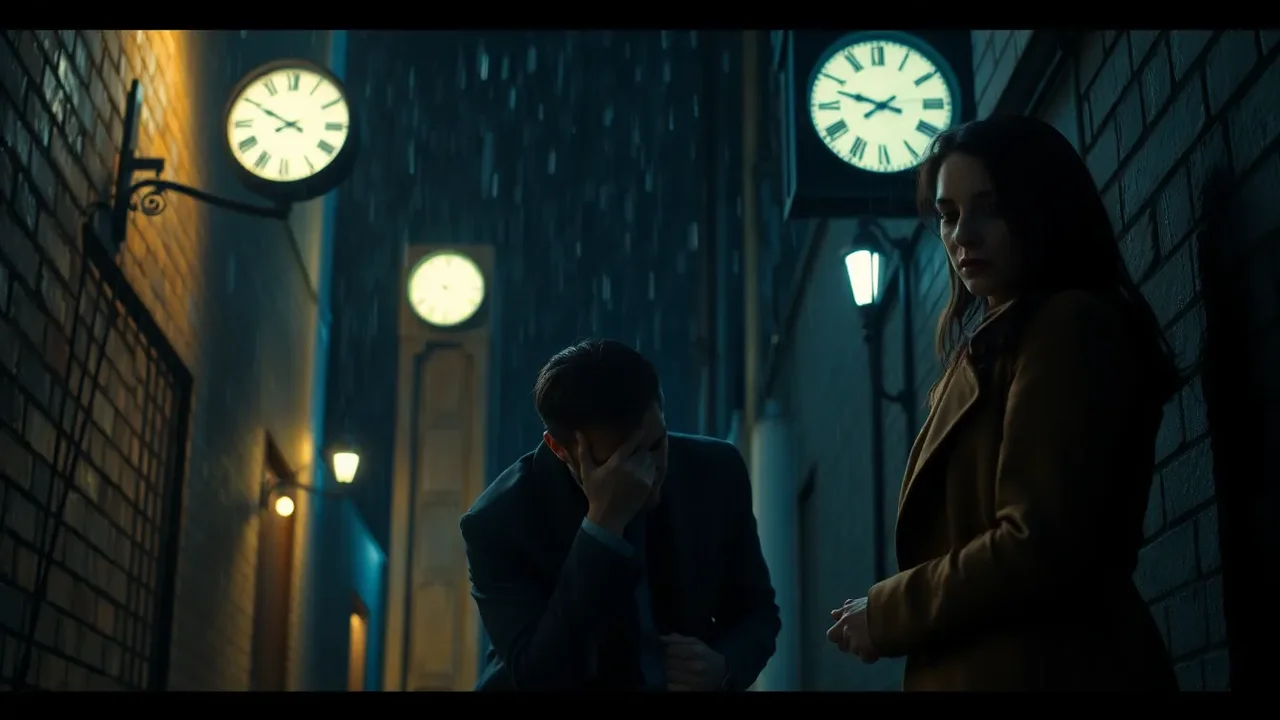
A dramatic confession is a pivotal moment in any narrative. It is the point where hidden truths surface, relationships are tested, and characters reveal their deepest vulnerabilities. To turn such a confession into an unforgettable scene, writers must carefully orchestrate every element: setting, dialogue, body language, and emotional stakes. The confession should feel earned, not forced. It must arise from the character's internal conflict and the story's accumulated tension. For example, in a romance novel, a confession of love after a misunderstanding carries more weight if the characters have struggled with pride or fear. In a thriller, a villain's confession might reveal a twisted motive that recontextualizes the entire plot. The key is to make the confession a turning point that changes the trajectory of the story.
Setting the Stage
The environment where a confession occurs can amplify its impact. A crowded room can create a sense of public exposure, while a quiet, intimate space can heighten vulnerability. Consider using weather or lighting to mirror the emotional tone. A confession during a thunderstorm might underscore turmoil, while a confession at dawn could symbolize a new beginning. For instance, in the film 'The Notebook', Allie's confession of love to Noah in the rain is unforgettable because the setting mirrors the emotional downpour. Practical tip: Choose a location that has symbolic meaning for the characters, such as a childhood home or a place where a key event occurred. This adds layers of subtext to the confession.
Dialogue and Subtext
What characters say during a confession is important, but what they leave unsaid can be even more powerful. Use subtext to convey emotions that words cannot fully express. A character might say 'I'm sorry' while their eyes betray a deeper longing. Dialogue should feel authentic to the character's voice. A stoic character might confess in short, clipped sentences, while a more expressive character might use metaphors. For example, in 'Pride and Prejudice', Mr. Darcy's first confession to Elizabeth is awkward and insulting, yet it reveals his internal struggle. To craft effective dialogue, read it aloud to ensure it sounds natural. Avoid melodrama unless it fits the character's personality. Use pauses and interruptions to create tension. A confession that is interrupted by a phone call or a knock on the door can heighten the audience's anticipation.
Body Language and Physicality
Non-verbal cues can make a confession visceral. A trembling hand, averted gaze, or a sudden step forward can convey more than words. Describe the character's physical sensations: a racing heart, sweaty palms, or a lump in the throat. These details ground the scene in reality and allow the reader to feel the character's anxiety. For instance, in a scene where a character confesses to a crime, their clenched fists and rigid posture might indicate guilt or defiance. Use contrasts: a character who is usually composed might fidget, or a character who is always loud might speak in a whisper. This deviation from their norm signals the significance of the moment. Practical exercise: Write the confession scene without any dialogue, using only body language and setting to convey the confession. Then add dialogue to see if it enhances or detracts from the emotional core.
Emotional Stakes and Consequences
An unforgettable confession must have high stakes. The character risks something precious: a relationship, their freedom, or their self-image. The audience must understand what is at stake before the confession occurs. Build up to the moment by showing the character's internal debate. Use flashbacks or internal monologue to reveal the cost of keeping the secret. After the confession, show the immediate and long-term consequences. Does the other character forgive, reject, or retaliate? The aftermath should feel realistic. For example, in 'The Great Gatsby', Gatsby's confession of his love for Daisy is tragic because it comes too late and leads to his downfall. The stakes are clear: he has built his entire life around this moment, and its failure destroys him. To raise stakes, consider adding a time constraint, such as a deadline or an impending event that forces the confession.
Techniques for Unforgettable Confessions
The Element of Surprise
An unexpected confession can jolt the audience and make the scene memorable. This could be a confession that comes from a minor character, or a confession that reveals a completely different truth than what the audience anticipated. For example, in 'The Sixth Sense', the confession that the protagonist is dead recontextualizes the entire film. To use surprise effectively, plant subtle clues that the audience might overlook on first viewing. The surprise should feel inevitable in hindsight. Avoid cheap twists that lack emotional resonance. The surprise should deepen the story's themes, not just shock for shock's sake.
Pacing and Rhythm
The pace of a confession scene should mirror the character's emotional state. A confession that bursts out in a rush of words can convey desperation, while a slow, deliberate confession can build suspense. Use sentence length and paragraph breaks to control rhythm. Short, choppy sentences can create a sense of panic, while longer, flowing sentences can evoke a dreamlike quality. For instance, in 'Wuthering Heights', Heathcliff's confession of his love for Catherine is fragmented and intense, reflecting his tortured soul. Experiment with pacing by writing the scene multiple times at different speeds. Read it aloud to feel the rhythm. Use white space to create pauses that allow the audience to absorb the emotional weight.
Using Silence and Pauses
Silence can be more powerful than words. After a confession, a moment of silence allows the audience to process the revelation. The other character's reaction—or lack thereof—can speak volumes. Describe the silence: the ticking of a clock, the sound of rain, or the hum of a refrigerator. These ambient details can heighten the tension. For example, in 'Brokeback Mountain', the confession of love between Ennis and Jack is followed by a long, painful silence that underscores their societal constraints. Practical tip: Write the scene with intentional pauses. Use ellipses or line breaks to indicate silence. Let the silence linger before the next character speaks.
Examples from Literature and Film
| Work | Confession | Why It Works |
|---|---|---|
| Pride and Prejudice | Darcy's first proposal to Elizabeth | Reveals his pride and her prejudice; sets up character growth |
| The Great Gatsby | Gatsby's confession of his love for Daisy | High stakes; tragic timing; reveals his delusion |
| Brokeback Mountain | Ennis and Jack's confession of love | Silence and societal pressure amplify the emotion |
| The Notebook | Allie's confession in the rain | Setting mirrors emotional turmoil; raw vulnerability |
Practical Exercises for Writers
- Exercise 1: Write a confession scene where the character confesses to a lie. Use only body language and setting to convey the confession. Then add dialogue.
- Exercise 2: Take a famous confession from literature and rewrite it in a different setting (e.g., a coffee shop instead of a ballroom). Note how the change affects the tone.
- Exercise 3: Write a confession scene where the character is interrupted three times before they can finish. How does this build tension?
- Exercise 4: Write a confession from the perspective of the listener. What are they thinking and feeling during the confession?
Common Pitfalls to Avoid
One common mistake is making the confession too melodramatic. Over-the-top language can feel inauthentic. Instead, let the emotion come from the character's genuine voice. Another pitfall is rushing the confession without building sufficient tension. The audience needs to feel the weight of the secret before it is revealed. Also, avoid clichés like 'I love you' in a rainstorm unless you subvert the trope. Finally, don't forget the aftermath. A confession without consequences feels hollow. Show how the characters change as a result of the revelation. For example, in 'The Kite Runner', Amir's confession of his betrayal leads to a journey of redemption. The confession is not the end but the beginning of a new conflict.
Advanced Techniques
For experienced writers, consider using a non-linear structure. Reveal the confession in fragments through flashbacks or multiple perspectives. This can create a mosaic of truth that the audience pieces together. Another technique is to have the confession be overheard by a third party, adding a layer of dramatic irony. For instance, in 'Romeo and Juliet', Juliet's confession of love is overheard by Romeo, which deepens their connection. You can also use a prop or object as a catalyst for the confession. A letter, a photograph, or a piece of jewelry can trigger the revelation. The object should have symbolic meaning. For example, a wedding ring might prompt a confession of infidelity.
Conclusion of the Content Section
Turning dramatic confessions into unforgettable scenes requires a blend of craft and empathy. By focusing on setting, dialogue, body language, and stakes, writers can create moments that resonate long after the story ends. Remember that the best confessions are not just about revealing a secret but about revealing the character's soul. Practice these techniques, study great examples, and trust your instincts. The confession scene is a gift to the audience—a moment of raw truth that can transform a story from good to unforgettable.
FAQ - Turning Dramatic Confessions into Unforgettable Scenes
What makes a confession scene unforgettable?
An unforgettable confession scene combines high emotional stakes, authentic dialogue, and a setting that mirrors the character's internal state. It should feel earned through prior buildup and reveal a truth that changes the story's trajectory. Key elements include vulnerability, subtext, and consequences that resonate with the audience.
How do I build tension before a confession?
Build tension by showing the character's internal conflict through internal monologue or physical cues like sweating or pacing. Use pacing techniques such as short sentences or interruptions. Create a time constraint, like a deadline or an impending event, to force the confession. Foreshadowing through symbols or earlier hints can also heighten anticipation.
What are common mistakes in writing confession scenes?
Common mistakes include melodramatic dialogue that feels inauthentic, rushing the confession without sufficient buildup, and neglecting the aftermath. Avoid clichés like 'I love you' in a rainstorm unless subverted. Also, ensure the confession has consequences—without them, the scene feels hollow.
How can I use body language effectively in a confession?
Use body language to convey emotions that words cannot. Describe trembling hands, averted gazes, or a sudden step forward. Contrast the character's usual behavior—a composed character fidgeting signals significance. Practice writing the scene without dialogue to focus on physicality, then add words to enhance, not replace, the non-verbal cues.
Can a confession be effective without words?
Yes, a confession can be conveyed entirely through body language, setting, and silence. For example, a character placing a letter on a table and walking away can confess without speaking. Silence after a revelation allows the audience to process the emotion. Use ambient sounds like rain or ticking clocks to heighten the moment.
How do I choose the right setting for a confession?
Choose a setting that has symbolic meaning for the characters or mirrors the emotional tone. A crowded room can create public exposure, while a quiet space heightens vulnerability. Weather and lighting can underscore the mood—rain for turmoil, dawn for new beginnings. The setting should feel organic to the story, not forced.
Turning dramatic confessions into unforgettable scenes involves crafting high-stakes moments with authentic dialogue, symbolic settings, and powerful body language. Key techniques include building tension through pacing, using silence for impact, and ensuring consequences that resonate. Examples from literature and film illustrate how vulnerability and subtext create scenes that transform narratives and captivate audiences.
Turning dramatic confessions into unforgettable scenes is an art that requires careful attention to emotional truth, narrative structure, and sensory detail. By mastering the interplay of setting, dialogue, body language, and stakes, writers can craft moments that linger in the reader's heart. Whether it's a whispered secret in a quiet room or a desperate plea in a storm, the best confessions reveal not just a hidden truth but the very essence of a character. Practice these techniques, learn from the masters, and let your confessions transform your stories into unforgettable experiences.