Understanding Amnesia as a Plot Device
Amnesia is a powerful narrative tool that can transform a ordinary story into a gripping mystery or a deep character study. The trick to making amnesia work lies in deliberate control of information—what the character forgets, what they remember, and when those memories return. When misused, amnesia feels like a cheap cheat; when mastered, it becomes an engine for emotional resonance and suspense. This article explores the mechanics, strategies, and pitfalls of using amnesia effectively in fiction.
The Core Trick: Strategic Information Management
The single most important trick is to treat amnesia not as a random plot convenience but as a structured system of information gaps. The author decides which memories are lost, which remain, and how they are recovered. This creates a dynamic tension between what the protagonist knows and what the reader knows. The reader should always be one step ahead or one step behind, depending on the desired effect.
Three Layers of Knowledge
To manage this, consider three layers: character knowledge (what the amnesiac knows), narrative knowledge (what the story reveals to the reader), and true knowledge (the objective truth of the story's world). The trick is to shift these layers in a way that feels organic. For example, a detective with amnesia might recall a vital clue only after a sensory trigger, allowing the reader to discover it simultaneously.
Types of Amnesia and Their Narrative Uses
Not all amnesia is the same. The following table summarizes common types and their best applications in storytelling.
| Type of Amnesia | Definition | Narrative Use |
|---|---|---|
| Retrograde Amnesia | Inability to recall past events or personal history | Creates a mystery about the character's past; ideal for thrillers and dramas exploring identity. |
| Anterograde Amnesia | Inability to form new memories | Excellent for horror or tragedy; the character lives in an endless present, forcing reliance on notes or routines. |
| Post-Traumatic Amnesia | Memory loss due to trauma, often affecting specific events | Great for psychological stories; the memory returns slowly, often at key emotional moments. |
| Dissociative Amnesia | Memory gap caused by extreme stress (often with fugue states) | Ideal for unreliable narrators and stories about repressed trauma or alternate personalities. |
| Source Amnesia | Remembering facts but forgetting where they were learned | Useful for comedy or mystery; the character might know a fact but not why it's important. |
Each type offers a different form of the core trick: controlling when and how information surfaces. The most effective stories blend more than one type to create layered forgetting.
Character Identity and Emotional Arc
Amnesia is not just about missing facts; it's about a missing identity. The character must struggle with who they were versus who they are becoming. The trick is to use recovered memories to change the character's emotional trajectory. For instance, if the protagonist slowly remembers that they were a villain in the past, the story becomes a redemption arc. If they remember a lost love, it becomes a romance or tragedy. The emotional payoff depends on how the memories are revealed—fragments, flashbacks, or full scenes—and how they challenge the character's current self-concept.
Examples from Popular Media
Consider the film Memento, where anterograde amnesia forces the protagonist to rely on polaroids and tattoos. The trick here is that the audience shares his confusion; the story is told backward, so each scene reveals new past information that recontextualizes everything before it. In The Bourne Identity, retrograde amnesia creates a mystery about Jason Bourne's skills and past, which are slowly uncovered through action sequences. The trick is that the character's latent abilities (hand-to-hand combat, languages) are preserved, hinting at a dangerous former life. In literature, Kazuo Ishiguro's The Buried Giant uses a collective amnesia to explore the nature of memory and forgiveness. The trick is that the characters themselves aren't sure what they've forgotten, and the reader must piece together the truth from subtle clues.
Worldbuilding Through Fragmented Memories
Amnesia can also serve as a lens for worldbuilding. If the character has forgotten the rules of their society, the author can reveal them gradually, avoiding infodumps. For example, a character waking up in a dystopian city with no memory of the regime allows the reader to learn about the oppressive system alongside the protagonist. The trick is to make the world feel real by showing how amnesia affects daily life: a character might struggle to remember where they live, who to trust, or even how to operate technology. These small moments build immersion and empathy.
Practical Tips for Revealing the World
- Use sensory triggers: A smell or sound can prompt a memory that also describes the environment (e.g., the scent of burning coal reminds them of the factory district).
- Show, don't tell, the rules: Instead of explaining a law, have the character break it unknowingly and suffer consequences.
- Let other characters educate: A friend or enemy can explain basic facts, but with bias—so the reader must question the accuracy.
- Create memory fragments that are wrong: The character might remember something incorrectly, leading to a misunderstanding of the world that later gets corrected.
Revealing the Past: Timing and Pacing
The trick to pacing is to never reveal everything at once. Each memory should serve a scene's purpose—whether to raise new questions, deepen character relationships, or increase stakes. Below is a table outlining common pacing techniques with examples.
| Technique | Description | Example |
|---|---|---|
| Flashback Interleaving | Alternate between present and past scenes, each adding a piece of the puzzle. | In Lost, each character's flashback reveals why they are on the island. |
| Dream Sequences | Unreliable, symbolic memories that need interpretation. | A character dreams of a burning house, later learns it was their childhood home. |
| Triggered Recollections | A sensory cue (song, photo, touch) sparks a clear memory. | In Eternal Sunshine of the Spotless Mind, a smell triggers a memory of a lost love. |
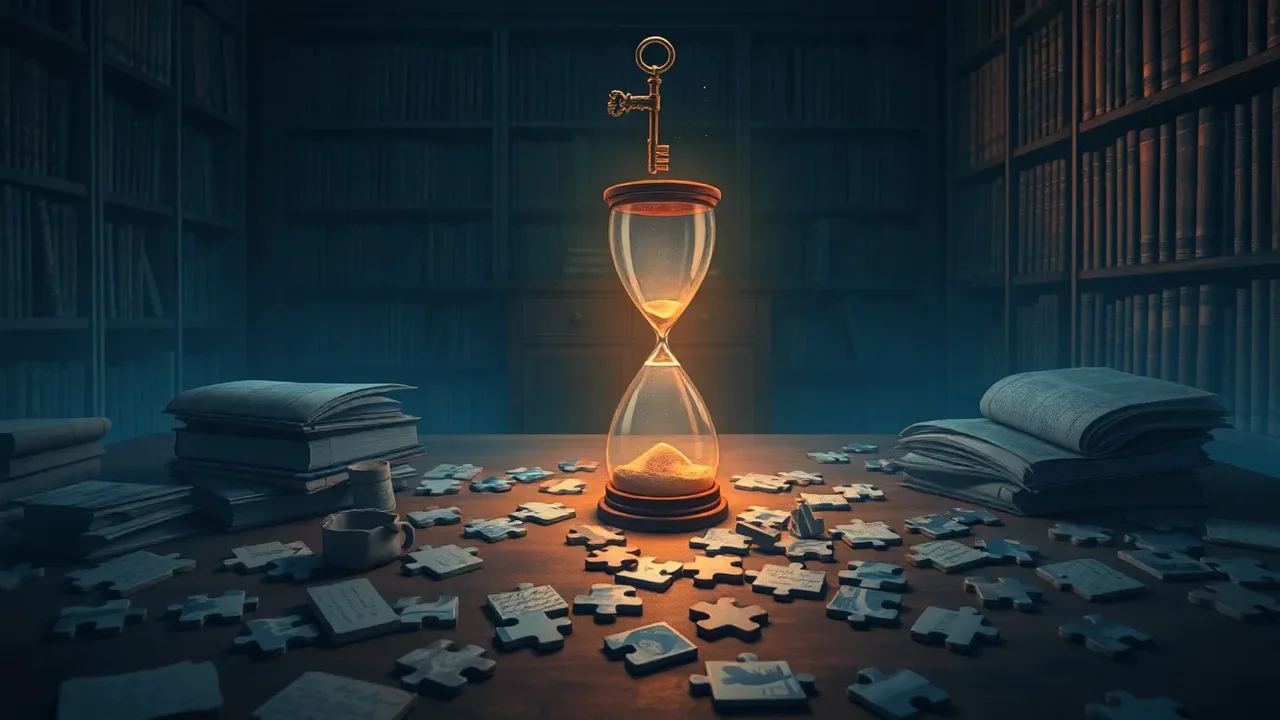
| Fragmented Puzzle | Memories come in non-linear pieces, and the character must arrange them like a jigsaw. | In Shutter Island, the protagonist's memories form a pattern that leads to a twist. |
| Confrontation Reveal | Another character directly tells the protagonist something, forcing a memory to surface. | An old villain says 'You used to be my partner,' and the character suddenly remembers their criminal past. |
The key is to vary the pacing: fast revelations during action scenes, slow burns during emotional moments, and red herrings to misdirect. The reader should never feel that the amnesia is being used as a deus ex machina.
Common Mistakes and How to Avoid Them
Even experienced authors fall into traps with amnesia. Here are the most common pitfalls and the tricks to sidestep them.
- Mistake: Convenient Amnesia (the 'head injury' trope). Avoid by establishing a plausible cause (trauma, disease, magic) and making the recovery difficult. The character shouldn't remember everything just in time for the final battle.
- Mistake: Perfect memory recovery. Realistic amnesia is messy. Some memories never return, others are inaccurate. Include false memories or gaps that matter later.
- Mistake: Ignoring the character's emotional response. Amnesia is terrifying. Show the character's fear, confusion, and frustration. Don't let them be too calm about their lost identity.
- Mistake: Overusing amnesia as a twist. If the reader suspects that every mysterious character has amnesia, it becomes predictable. Use it sparingly and only when it serves the theme.
- Mistake: No consequences for recovery. Remembering the past should change the character's relationships and goals. A recovered memory might make a loved one look guilty, or reveal a secret that forces a moral dilemma.
Using Amnesia to Drive Mystery and Suspense
The ultimate trick is to align the amnesia with the story's central mystery. The character's missing knowledge becomes the mystery itself, and each recovered memory is a clue. For suspense, the author can let the reader know the truth while the character remains ignorant, creating dramatic irony. For example, the reader might see the villain's face in a flashback, but the protagonist doesn't recognize them until later. Alternatively, both reader and character can discover the truth together, which builds a shared sense of revelation. The choice depends on the desired emotional effect—do you want the reader to worry for the unsuspecting protagonist, or to feel the surprise alongside them?
A powerful technique is to embed a false memory. The character believes something about their past that is later proven wrong. This can create a huge twist, but it must be set up carefully with clues that the memory doesn't quite fit—a contradiction in details, a missing emotion. When the truth emerges, it should feel inevitable in retrospect.
Finally, remember that amnesia is not an end in itself. It is a tool to explore themes like identity, trust, trauma, and redemption. The best stories use amnesia to ask questions: Who are we without our memories? Can we forgive what we've forgotten? How does the past shape us even when we don't remember it? By focusing on these deeper themes, the trick of amnesia becomes more than a plot device—it becomes the heart of the story.
FAQ - The Trick to Making Amnesia Work in Your Story
What is the most important rule for writing amnesia?
The most important rule is to treat amnesia as a deliberate system of information control, not a random plot device. Decide exactly what is forgotten, what is remembered, and how each memory returns to serve the story's theme and emotional arc.
How can I avoid clichés like the 'head injury amnesia'?
Establish a credible cause tied to the story's genre—psychological trauma, magical curse, neurological condition, or a high-tech brain wipe. Make the recovery gradual and imperfect, with gaps, false memories, and emotional consequences.
Should the reader know more than the amnesiac character?
It depends on your goal. For dramatic irony and suspense, let the reader know the truth while the character remains oblivious. For a shared discovery, reveal memories simultaneously. Both can be powerful if executed consistently.
How do I reveal memories without feeling forced?
Use sensory triggers (smells, sounds, objects) that naturally occur in the scene. Also, let other characters' dialogue hint at the past. Avoid long info-dump flashbacks; instead, interleave short fragments that build a puzzle.
Can amnesia be used for comedy?
Yes, especially with source amnesia or anterograde amnesia. The character might forget appointments, people's names, or punchlines, leading to humorous misunderstandings. However, keep the underlying consequences present to avoid trivializing memory loss.
How many memories should I reveal?
Only reveal enough to advance the plot and character growth. Each memory should either raise a new question, deepen a relationship, or change the stakes. The reader should feel that more is hidden, maintaining intrigue until the climax.
The trick to making amnesia work in your story is to treat it as a structured system of information control. Decide what is forgotten, what remains, and how memories return to serve plot and theme. Use sensory triggers, gradual reveals, and avoid clichés to create emotional impact and suspense.
The trick to making amnesia work is to weave it into the fabric of your story, letting each forgotten fragment illuminate character, plot, and theme. It's not about what's missing, but about what the search for memory reveals. When handled with care, amnesia can be one of the most powerful engines for mystery, emotion, and transformation in fiction. Use it not as a gimmick, but as a mirror to the human struggle of knowing ourselves.