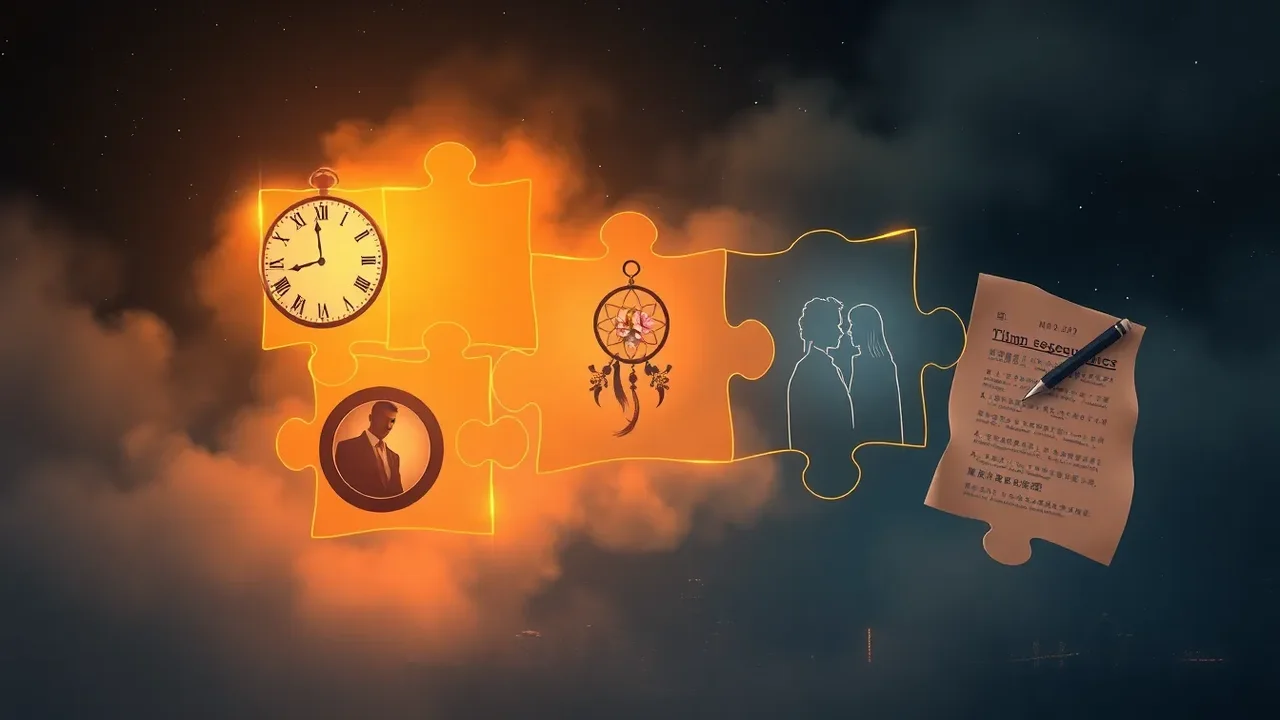
The Mechanics of the Unexpected Time Skip

The unexpected time skip is a narrative device that propels characters forward in time, often by months or years, without prior warning. In romance, this technique can transform a stagnant relationship into a dynamic journey, revealing growth, change, and hidden depths. Unlike planned time jumps that are announced, the unexpected variety catches both characters and readers off guard, creating a visceral sense of disorientation and discovery. This article explores the power of this device through detailed explanations, examples, and practical insights.
Why the Unexpected Time Skip Works
The effectiveness of an unexpected time skip lies in its ability to mimic real-life relationships. People change, circumstances shift, and sometimes love is tested by the passage of time without any dramatic warning. In romance narratives, this can serve several purposes:
- Reveals Character Growth: A time skip can show how a character has matured, overcome challenges, or developed new perspectives, making their reunion more poignant.
- Creates Emotional Whiplash: The sudden leap forces readers to experience the same shock as the characters, heightening empathy and investment.
- Introduces New Conflicts: Unresolved issues or new circumstances can arise during the skip, adding layers to the romantic plot.
- Deepens the Stakes: The longer the skip, the more time for secrets, betrayals, or revelations to simmer under the surface.
Practical Examples in Romance
Consider a contemporary romance where a couple separates after a misunderstanding. An unexpected time skip of five years might reveal that one character has built a successful career while the other has struggled with addiction. Their reunion at a mutual friend's wedding could be fraught with tension, nostalgia, and unresolved feelings. Alternatively, in historical romance, a time skip might transport lovers from a war-torn separation to a peaceful reunion, highlighting how societal changes have affected their relationship. The key is that the skip is not foreshadowed; it occurs abruptly, often at the end of a chapter or scene.
Types of Unexpected Time Skips
| Type | Duration | Effect on Romance |
|---|---|---|
| Short Skip | Months | Allows for minor growth and new tension, like a character moving away temporarily. |
| Mid Skip | Years (1-5) | Shows significant life changes, such as career shifts, parenthood, or new relationships. |
| Long Skip | Decades | Explores rekindled love after a lifetime, often involving nostalgia and second chances. |
Each type has distinct narrative advantages. Short skips can maintain momentum while introducing subtle changes, while long skips require careful information delivery to bridge the gap without losing reader connection.
Executing the Skip Effectively
To harness the power of an unexpected time skip, writers should consider the following:
- Use Sensory Details: Describe changes in setting, fashion, or technology to ground readers in the new timeline.
- Show, Don't Tell: Reveal character changes through actions and dialogue, not exposition.
- Maintain Core Themes: The skip should enhance, not undermine, the central romantic conflict.
- Address the Gap: Later, provide clues or flashbacks to fill in missing information, creating a mystery element.
Psychological Impact on Readers
The unexpected time skip triggers a cognitive response; readers must actively reconstruct the narrative timeline. This engagement can lead to deeper emotional investment, as they piece together what happened during the skip. In romance, this often mirrors the characters' own journey of rediscovery, making the eventual reunion or resolution more satisfying. The gap also allows room for reader imagination, where they can speculate about off-page events.
Case Study: A Reunion with a Twist
Imagine a story where two childhood friends confess their love just before one moves away. The narrative then jumps ten years forward without warning. The protagonist is now a single parent running a bookstore, while the love interest returns as a successful architect. The unexpected skip showcases how their lives have diverged and converged, with the bookstore becoming a symbol of the protagonist's enduring hope. The architect's arrival triggers a cascade of memories and conflicts, including a hidden letter that was never sent. This example illustrates how the time skip can serve as both a plot device and an emotional catalyst.
Common Pitfalls to Avoid
While powerful, the unexpected time skip can backfire if not handled carefully. Writers should avoid:
- Overusing the Device: Multiple skips can confuse readers and dilute impact.
- Ignoring Continuity: Key character traits or relationships should not change arbitrarily.
- Skipping Past Crucial Moments: Important developments that are referenced but not shown can feel cheated.
- Failing to Re-establish Intimacy: After a long skip, the romantic connection must be rebuilt authentically.
The Role of Subtext
An unexpected time skip allows subtext to flourish. What is left unsaid during the gap—unanswered questions, broken promises, silent hopes—can become powerful narrative tools. For example, a character might have kept a diary during the skip, which is later discovered, revealing unspoken feelings. This layered storytelling enriches the romance and rewards attentive readers.
Genre-Specific Considerations
In paranormal romance, an unexpected time skip might involve a character aging differently due to supernatural elements, creating unique challenges. In romantic suspense, the skip could mask a criminal's identity or a secret that emerges later. Contemporary romance often uses the skip to explore modern issues like social media influence or career vs. family. Each genre adapts the device to its conventions while retaining the core emotional impact.
Reader Expectations vs. Surprise
The key to the unexpected time skip is balancing surprise with coherence. Readers should feel startled but not lost. This can be achieved by dropping subtle hints earlier in the story, such as a character's minor comment about the future, but never revealing the skip's specifics. When the skip occurs, the surprise is both shocking and logical, reinforcing the narrative's authenticity.
Conclusion of Content
The unexpected time skip is a testament to the power of change in romance. It reminds us that love is not static but evolves with time, distance, and experience. When used skillfully, it transforms a simple love story into a profound exploration of human connection, proving that sometimes the biggest leaps in love are the ones we never see coming.
FAQ - The Power of the Unexpected Time Skip in Romance
What is an unexpected time skip in romance?
An unexpected time skip is a narrative technique where the story jumps forward in time without prior warning, often by months or years. In romance, it highlights character growth, changes in relationships, and introduces new conflicts, creating emotional depth and surprise for readers.
How does an unexpected time skip affect character development?
It forces readers to infer growth from subtle clues, such as changes in behavior, career, or appearance. This can make characters feel more realistic, as real-life changes often happen 'off-screen,' and it deepens the emotional impact of their reunion or continued journey.
Can an unexpected time skip confuse readers?
Yes, if not handled carefully. Writers should provide sensory details and gradual context to orient readers. When done well, the confusion is brief and enhances suspense. Example: describing a new hairstyle, different furniture, or a child's presence to signal the skip.
What are common mistakes when using this device?
Common mistakes include skipping over major plot points, failing to re-establish intimacy between characters, and using the skip to avoid resolving conflicts. Also, too many skips can fragment the narrative and frustrate readers.
Is the unexpected time skip only for contemporary romance?
No, it works across genres. In historical romance, it can show societal or political shifts; in paranormal romance, it can explore immortality or time loops; in romantic suspense, it can mask secrets. The core emotional effect remains universal.
How can I write an effective unexpected time skip?
Plan the skip's purpose, use specific details to ground the new timeline, and ensure the romantic conflict evolves naturally. For example, start a new chapter with a character looking in a mirror, seeing an older reflection, then reveal the missing years through dialogue or a discovered object.
The unexpected time skip in romance narratives uses unplanned leaps forward in time to reveal character growth, deepen emotional stakes, and introduce new conflicts. This device creates reader engagement through surprise and reconstruction, making love stories more realistic and poignant by exploring how relationships evolve through unseen changes and reunions.
The unexpected time skip is a masterful tool that breathes new life into romance narratives, reminding us that love is not static but a living, evolving force. By embracing the gaps in time, writers can create richer, more resilient relationships on the page, mirroring the unpredictable nature of real-life love. When wielded with intention, it transforms a simple story into a timeless exploration of connection, growth, and the enduring power of second chances.