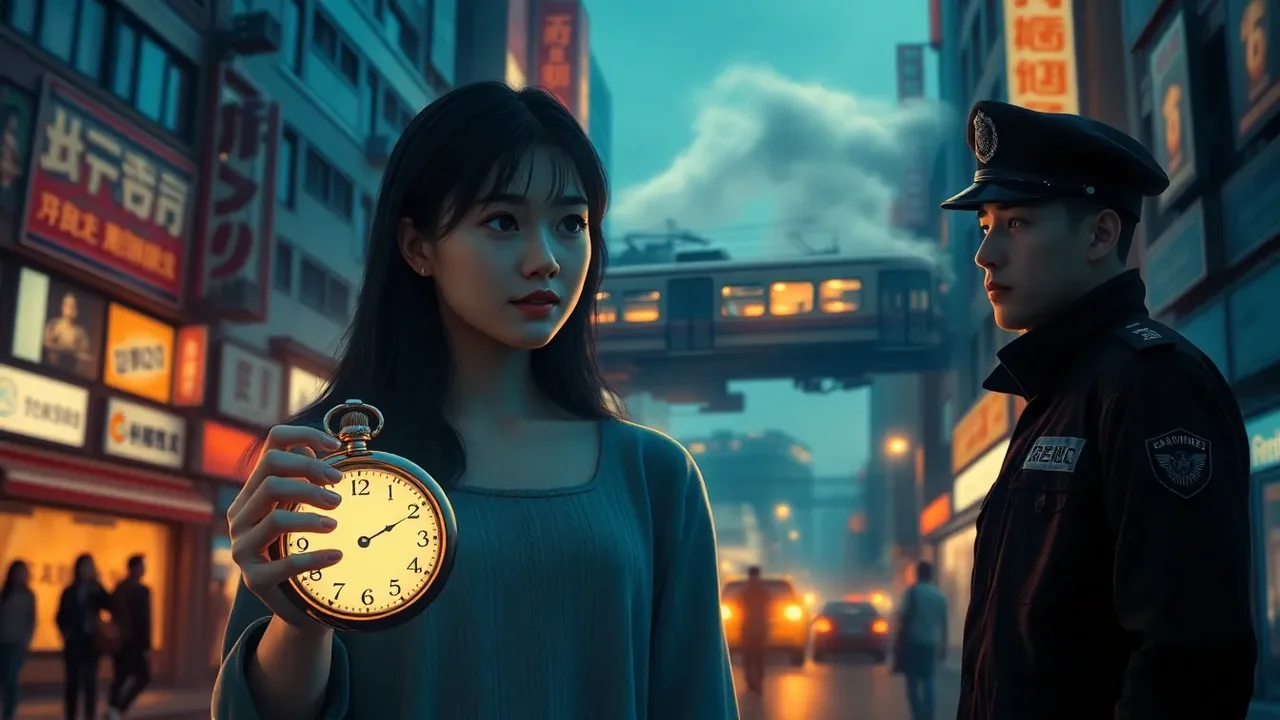
Mastering the Dorama Flashback: A Comprehensive Guide
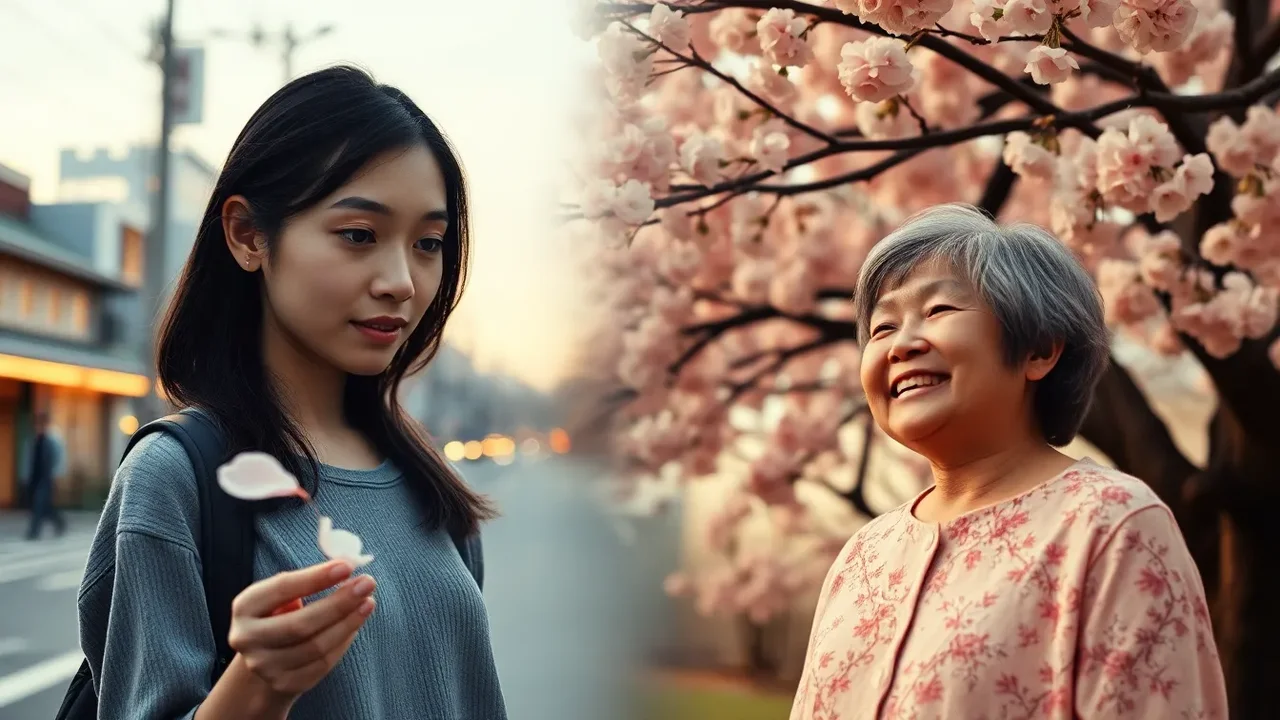
Flashbacks are a cornerstone of Japanese television dramas, or doramas. They are not merely narrative devices used to show past events; they are emotional anchors, character reveals, and plot accelerators. Using flashbacks like a dorama flashback expert means understanding the unique pacing, visual language, and emotional weight that Japanese storytelling brings to this technique. This guide will break down the mechanics, timing, and execution of dorama-style flashbacks, providing you with actionable insights to elevate your writing or video editing.
The Core Philosophy: Emotion Over Exposition
In Western media, flashbacks often serve to explain a mystery or fill in plot holes. In doramas, the primary function is to evoke a specific feeling. A flashback in a dorama is rarely just information; it is a moment of emotional resonance. The audience is not just learning what happened; they are experiencing the character's pain, joy, or regret in real time. This is achieved through careful selection of trigger moments—a familiar song, a specific scent, a piece of clothing, or a line of dialogue. The flashback is not a separate scene; it is an extension of the current emotional state.
Types of Dorama Flashbacks
Dorama experts utilize several distinct types of flashbacks, each with a specific purpose. Understanding these categories is the first step to mastery.
- The Emotional Anchor: This flashback is triggered by a strong present-day emotion. A character feels a surge of loneliness, and the screen dissolves into a memory of a happy moment with a lost loved one. The contrast heightens the present pain.
- The Reveal Flashback: Used sparingly, this flashback reveals a crucial piece of information that recontextualizes everything the audience thought they knew. It is often short, punchy, and visually distinct (e.g., black and white, or with a different color grade).
- The Repetition Flashback: A key moment is shown multiple times throughout the series, but each time with a slightly different context or from a different character's perspective. This builds thematic depth and shows how memory is subjective.
- The Dream-Like Flashback: Often hazy, with soft focus, slow motion, and ambient sound. This represents a memory that is fading or idealized. It is used for childhood memories or moments of pure happiness that the character is trying to hold onto.
Structural Timing: When to Deploy a Flashback
Timing is everything. A poorly placed flashback can kill momentum. Dorama experts follow a specific rhythm. The table below outlines optimal placement points within a standard 45-minute episode structure.
| Episode Time | Function | Example Trigger |
|---|---|---|
| 0-5 minutes | Cold open hook. A brief, mysterious flashback that poses a question. Often a single image or a line of dialogue. | A character looking at a photograph with a pained expression. The flashback shows only a hand reaching out, then a scream. |
| 15-20 minutes | Emotional grounding. After the initial conflict is established, a flashback provides backstory that makes the character's current actions understandable. | The protagonist refuses to help a friend. Flashback shows them being betrayed in the past. Now their hesitation makes sense. |
| 30-35 minutes | Thematic resonance. A flashback that parallels the current situation, showing how the character is repeating a pattern or breaking free from it. | The character is about to give up on love. Flashback to their first heartbreak. They see the same look in their own eyes. |
| 40-45 minutes | Climactic payoff. A final flashback that recontextualizes the entire episode, often ending on a freeze frame or a close-up of a tear. | A character confesses their love. Flashback to a small, forgotten kindness they showed the other person years ago, revealing it was always love. |
Visual and Audio Cues: The Dorama Signature
The transition into a flashback is as important as the flashback itself. Doramas use specific visual and audio cues to signal a shift in time, without jarring the audience.
- Audio Cues: A specific musical motif, often a piano or violin theme, that is exclusively used for flashbacks. The music fades in before the visual transition, preparing the viewer emotionally. A sound effect like a wind chime, a heartbeat, or a record scratch can also be used.
- Visual Cues: A slow iris out, a ripple effect (like water), a soft focus, or a change in color palette (sepia, desaturated, or a warm golden hue). The most common technique is a slow dissolve where the present scene fades into the memory, often with the character's face lingering in the center before the background changes.
- The 'Memory Filter': A consistent visual filter applied to all flashback scenes. This creates a subconscious rule for the audience, so they instantly recognize a memory even without dialogue. For example, all memories might have a slight blue tint or a grainy texture.
Practical Execution: Writing the Flashback
Writing a dorama-style flashback requires discipline. Here are the practical steps.
Step 1: Identify the Emotional Core. Ask: What single feeling does this memory need to produce? Sadness? Nostalgia? Anger? Joy? The flashback should be built around that feeling, not around plot details.
Step 2: Keep It Short. A dorama flashback rarely exceeds 90 seconds. The best ones are 30-60 seconds. The audience only needs the emotional essence, not a full scene. Cut to the most impactful moment—the hug, the betrayal, the first kiss, the last goodbye.
Step 3: Use a 'Trigger Line'. The dialogue in the present scene should contain a word or phrase that directly connects to the memory. For example, a character says, 'You always leave,' and the flashback shows them being abandoned as a child. The trigger line is 'leave.'
Step 4: End with a Return to the Present. The transition back is equally important. Often, a character's present-day reaction (a tear, a gasp, a smile) is shown before the memory fully fades. This grounds the emotion in the current scene.
Avoiding Common Pitfalls
Even experienced writers can misuse flashbacks. Here are the mistakes to avoid.
- Overuse: If every episode has three flashbacks, they lose their power. Reserve them for pivotal emotional moments. A good rule of thumb: one major flashback per episode, and one minor one.
- Info-Dumping: Do not use a flashback to explain an entire backstory in one go. Spread revelations out. Let the audience piece things together.
- Inconsistent Visuals: If you establish a sepia filter for memories, never show a memory without it. Consistency builds trust with the audience.
- Breaking the Emotional Flow: The flashback should not interrupt a high-tension scene. Place it during a moment of reflection or silence, not during active conflict.
Case Study: The 'Food Memory'
A classic dorama trope is the food memory. A character eats a dish and is instantly transported to a memory of their mother cooking it. The expert execution: The camera focuses on the steam rising from the food. The sound of the bustling restaurant fades, replaced by the gentle sizzle of a pan. The color palette shifts to warm tones. The flashback shows only a close-up of the mother's hands stirring the pot, then a brief shot of the character as a child smiling. The flashback ends with the character in the present, a single tear falling into the bowl. No words are needed. The emotion is pure.
Advanced Technique: The False Flashback
Dorama experts sometimes use a 'false flashback'—a memory that the character believes is true but is later revealed to be inaccurate or imagined. This is a powerful tool for character development. The visual cues are the same, but subtle hints (like a slightly distorted sound or an impossible angle) clue the attentive viewer that something is off. When the truth is revealed, the impact is devastating.
Integrating Flashbacks into a Series Arc
Flashbacks should not be isolated events. They should form a network of memories that build a complete emotional picture of the character. Early in the series, flashbacks might be confusing and fragmented. Mid-series, they become clearer and more coherent. By the finale, a final flashback can tie everything together, showing the character's full journey. This is the hallmark of a dorama flashback expert: the ability to use memory as a narrative thread, not a patch.
Final Technical Notes
When editing, the flashback should have a slightly different sound mix. The dialogue may be slightly muffled, or the ambient noise reduced. The music should swell at the moment of transition. The pacing of the flashback itself should be slower than the present-day scene, giving the audience time to absorb the emotion. A well-executed dorama flashback feels like a gentle sigh, not a sudden scream.
FAQ - Using Flashbacks Like a Dorama Flashback Expert
What is the most important rule for using flashbacks in a dorama style?
The most important rule is that the flashback must serve an emotional purpose, not just an informational one. In doramas, flashbacks are used to deepen the audience's connection to a character's feelings, such as regret, love, or loss. If the flashback only provides plot exposition without evoking an emotion, it should be cut or rewritten.
How long should a typical dorama flashback be?
A typical dorama flashback should be between 30 and 90 seconds. The most effective ones are often under 60 seconds. The goal is to capture the emotional essence of the memory quickly, without dragging the scene or disrupting the pacing of the present-day story. Longer flashbacks risk losing the audience's attention.
What visual cues are commonly used to signal a flashback in doramas?
Common visual cues include a change in color palette (such as sepia, desaturated tones, or a warm golden hue), soft focus or a hazy filter, slow dissolves or ripple transitions, and the use of a persistent 'memory filter' applied to all flashback scenes. Audio cues like a specific musical motif or a sound effect (e.g., wind chimes) often precede the visual transition.
Can flashbacks be used multiple times for the same memory in a dorama?
Yes, this is called a 'repetition flashback' and is a powerful technique. The same memory is shown at different points in the series, but each time it may be slightly longer, from a different character's perspective, or with additional context. This builds thematic depth and shows how memory can change over time. However, it should be used sparingly to avoid redundancy.
How do I avoid making flashbacks feel like info-dumps?
To avoid info-dumps, keep the flashback focused on a single emotional beat or a single piece of information. Do not try to explain an entire backstory in one flashback. Spread revelations across multiple episodes. Also, ensure the flashback is triggered naturally by the present-day scene, such as through a line of dialogue, an object, or a sensory cue like a smell or sound.
What is a 'false flashback' and how is it used in doramas?
A 'false flashback' is a memory that the character believes to be true but is later revealed to be inaccurate, distorted, or entirely imagined. It is used to explore a character's psychology, self-deception, or trauma. The visual cues remain the same as a normal flashback, but subtle hints (like a slightly distorted sound or an impossible camera angle) can clue the audience that something is unreliable.
Using flashbacks like a dorama flashback expert means prioritizing emotion over exposition. Key techniques include keeping flashbacks under 90 seconds, using consistent visual filters and audio cues, deploying them at specific episode points, and avoiding overuse. The goal is to evoke a feeling, not just explain a plot point, making memory a powerful narrative thread.
Mastering the dorama flashback is not about showing the past—it is about making the audience feel the past in the present. By prioritizing emotion over exposition, using consistent visual and audio cues, and timing each memory for maximum impact, you can transform a simple narrative device into a powerful emotional tool. Whether you are writing a script or editing a video, remember that every flashback should be a gift to the audience: a moment of deeper understanding, a tear, or a smile. Use it wisely, and your story will resonate long after the screen fades to black.