Understanding the K-Drama Slow-Burn
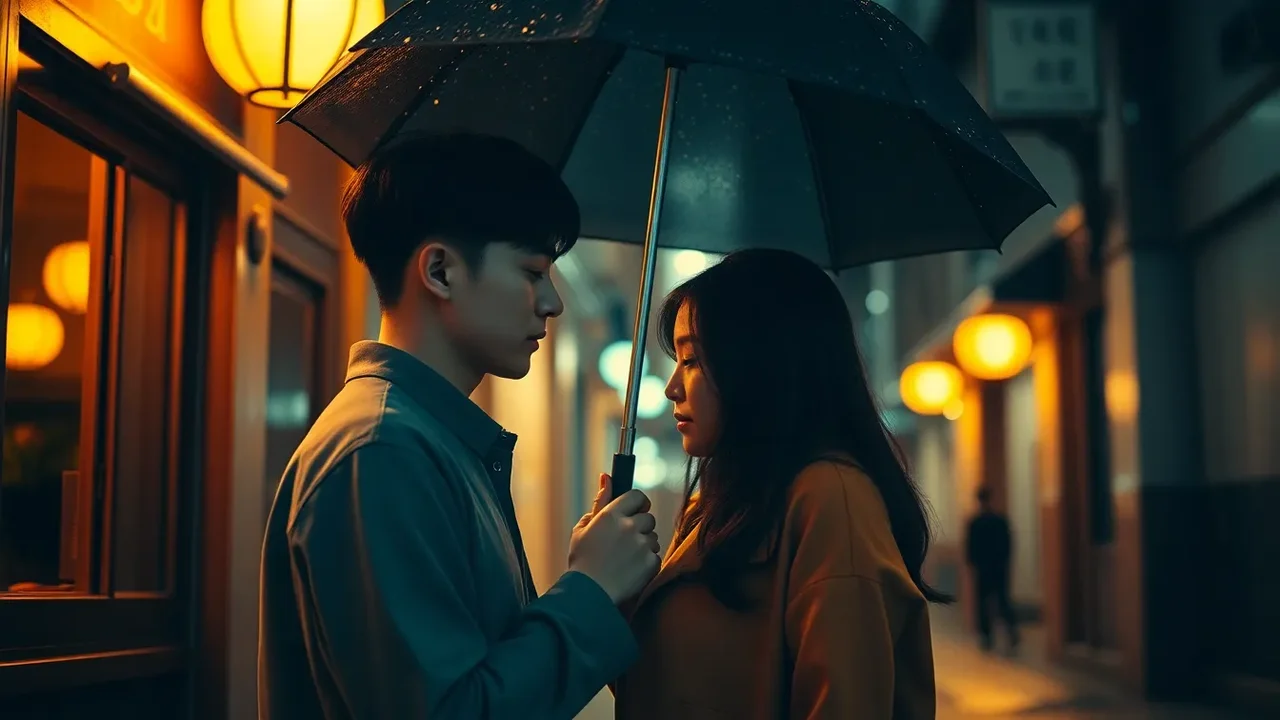
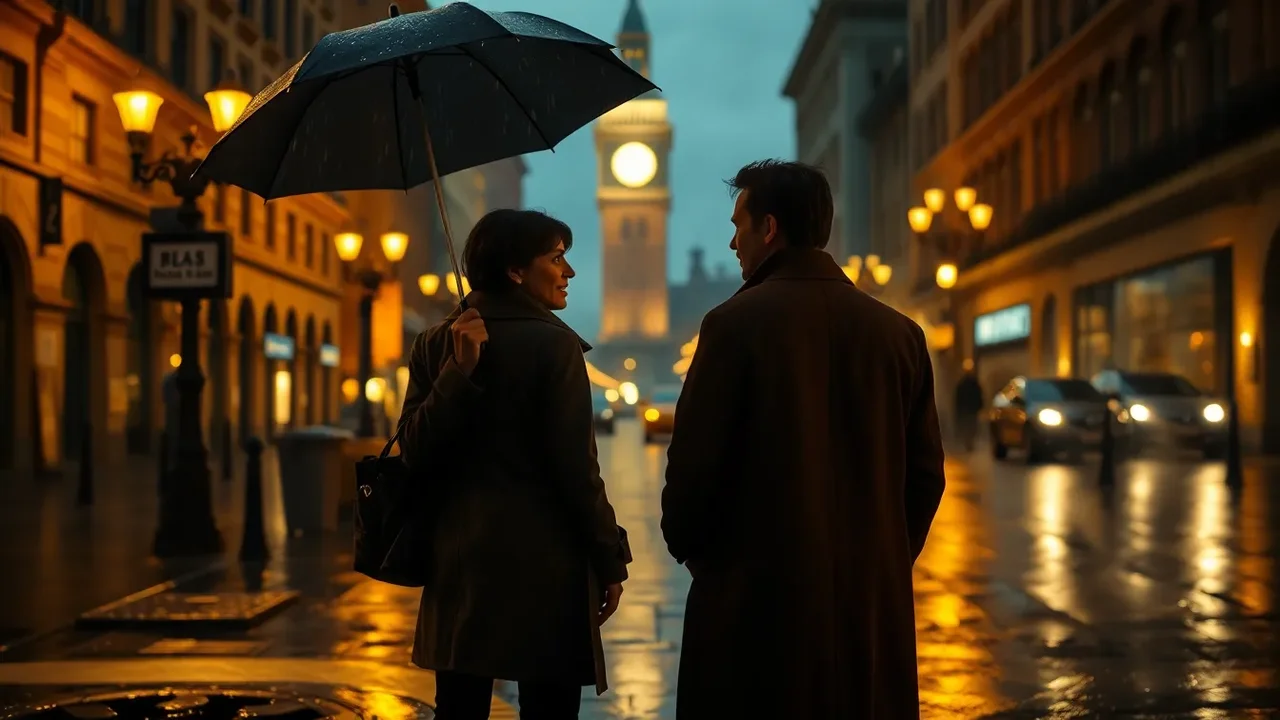
The slow-burn romance is the heartbeat of the best K-dramas. It’s not about instant attraction or rushed confessions; it’s about the delicious agony of waiting, the tiny gestures that speak volumes, and the emotional intimacy that builds over episodes. In K-dramas, the journey is more important than the destination. The audience invests in the characters’ growth, their misunderstandings, and the moments that make hearts flutter. To write a slow-burn romance like a K-drama, you must master pacing, subtext, and the art of the almost. Every glance, every accidental touch, every shared umbrella must carry weight. The goal is to make the reader or viewer feel the tension so acutely that they crave the resolution as much as the characters do.
Key Elements of the K-Drama Slow-Burn
- Emotional Proximity: Even if physical distance exists, characters share deep emotional moments early on, creating a bond that feels inevitable.
- Miscommunication: Not as a lazy plot device, but as a realistic barrier born from past wounds or pride.
- Visual Storytelling: K-dramas excel at showing rather than telling – a lingering look, a hesitant hand, a shared silence.
- Secondary Couples: Parallel love stories that mirror or contrast the main romance, adding depth and perspective.
- Climactic Confession: The payoff is earned after many episodes of buildup, often in a grand or emotionally raw scene.
Crafting the Meet-Cute and First Impressions
The first meeting in a K-drama slow-burn is rarely love at first sight. Instead, it’s often awkward, frustrating, or even antagonistic. The leads might bump into each other on a crowded subway, argue over a parking spot, or be forced together by circumstance. The key is to plant a seed – a spark of curiosity or annoyance that will grow into something deeper. For example, in Crash Landing on You, the meeting is literally a crash landing, setting up a life-or-death situation that forces proximity. In Goblin, the meet-cute is a birthday wish gone wrong. The first impression should establish their personalities and create a tension that hints at future attraction. Use accidental intimacy – a shared earbud, a hand brushed in a crowd, a fleeting eye contact that lingers a second too long. This is the foundation of the slow-burn.
The Art of the Glance and the Almost-Touch
K-dramas are masters of the micro-moment. A character looks at the other while they’re not watching, then quickly looks away. Fingers almost touch while reaching for the same object. A back hug that hesitates before closing in. These small beats create anticipation. Write scenes where the characters are physically close but emotionally guarded. The tension comes from the gap between what they feel and what they show. Use sensory details: the warmth of breath, the scent of rain, the sound of a heartbeat. In your writing, describe the almost-kiss that gets interrupted by a phone call or a third character. This frustration is addictive for the audience. The rule: every physical proximity scene should escalate the emotional stakes, even if nothing overt happens. The “almost” is often more powerful than the actual event.
Building Tension Through Conflict and Misunderstanding
Conflict is essential to slow-burn – but not petty drama. In K-dramas, the obstacles are rooted in character flaws, societal pressures, or tragic pasts. A chaebol heir who can’t trust anyone, a woman who hides her identity, a man sworn to revenge. The misunderstanding should feel organic, not forced. For example, a character overhears a half-conversation and misinterprets it, leading to a painful silence for several episodes. The resolution must be earned through communication and growth. Below is a table of common K-drama conflict types and how to use them effectively in a slow-burn narrative.
| Conflict Type | Example | Slow-Burn Effect |
|---|---|---|
| Class Divide | Rich heir meets poor employee; society disapproves | Adds external pressure, forces secret meetings, heightens every stolen moment |
| Past Trauma | One character betrayed in a previous relationship, fears intimacy | Creates internal barriers; each step forward feels monumental |
| Misunderstood Identity | A character is hiding a secret (e.g., being a spy, a noble in disguise) | Leads to lies and near-revelations, building suspense and emotional distance |
| Forced Proximity | Co-workers, neighbors, or contract marriage | Keen observation of each other, small daily interactions compound tension |
When using conflict, always give both characters valid reasons for their actions. The audience should root for both sides, even when they’re stubborn. The slow-burn thrives on the tension between wanting the same thing but being unable to reach it.
Using Secondary Characters and Subplots
K-dramas often feature a supporting cast that either helps or hinders the main romance. A nosy friend who plays cupid, a rival who adds jealousy, a wise elder who gives advice. These characters provide moments of relief, comic relief, or additional perspectives. For the slow-burn, use subplots as a mirror or contrast. A secondary couple moving faster can highlight the main couple’s hesitation. Or a villain’s scheme can create obstacles that force the leads to rely on each other. Importantly, don’t let subplots overshadow the main romance. Every scene should serve the central emotional arc. Use the supporting characters to reveal aspects of the leads that they wouldn’t show each other. For instance, a best friend might reveal the male lead’s secret pining, adding to the dramatic irony.
Pacing: The Perfect Episode Structure
K-dramas typically last 16 to 20 episodes, each about an hour. The slow-burn unfolds in a structured arc. Here is a recommended pacing list for writing a novel or script:
- Act 1 (Episodes 1-4): Introduce characters, establish meet-cute, show their worlds colliding. End with a powerful moment that hints at deeper connection.
- Act 2 (Episodes 5-10): Deepen emotional intimacy through shared experiences (cooking together, working on a project, facing a crisis). Introduce misunderstandings and external conflicts. End with a near-confession or a kiss that gets interrupted.
- Act 3 (Episodes 11-14): Separation or major betrayal. Characters pull apart due to fear or outside pressures. This is the darkest hour. Show them missing each other through small moments (calling but hanging up, reading a text repeatedly).
- Act 4 (Episodes 15-16): Reconciliation and grand gesture. The climax – a heartfelt confession, a dramatic rescue, a shared kiss under the rain. Then a resolution: a peaceful life together, a time jump showing their future. The ending should feel earned, not rushed.
Within each episode, end with a cliffhanger that makes the audience desperate for the next episode – even if it’s just a revealing line or a lingering look. Use parallel editing (showing both characters in similar situations) to emphasize their emotional connection.
Essential Dialogue Techniques
Dialogue in K-drama slow-burn is often indirect. Characters rarely say “I love you” until the very end. Instead, they say things like “I want to be by your side,” “You’re my person,” or “Don’t go.” Use subtext – what is unsaid is as important as what is said. Write conversations that have double meanings, where characters talk about the weather but are really talking about their feelings. Another technique is the callback – a line from an earlier episode that returns with new significance. For example, if the male lead once said “I never want to see you again,” he might whisper “I was wrong” in the final episode. Also use silence. A long pause after a heavy statement can be more powerful than words. In your writing, break dialogue with action beats (e.g., “He looked away, swallowing hard” or “Her hand trembled as she set down the cup”). These beats show the emotional state without explaining it.
The Grand Gesture and the Climax
Every slow-burn romance needs a climactic moment where the characters finally break through their barriers. In K-dramas, this is often a grand gesture – a public confession, a desperate act of sacrifice, a romantic speech under the rain. But the gesture must be character-specific. A shy introvert might not shout in a crowd; instead, they might leave a heartfelt letter. A proud chaebol might kneel and apologize in front of everyone. The gesture should show how much the character has grown and how much they value the other person. The setting should be visually memorable: a sunset beach, a quiet library at closing time, the rooftop of their apartment building. The kiss or hug that follows should feel like a release of all the tension built over the story. After the climax, give a brief denouement – a glimpse of their happy life, or a promise of forever. But keep it short; the journey was the point.
FAQ - How to Write Slow-Burn Romance Like a K-Drama
What makes a slow-burn romance different from a regular romance?
In a slow-burn romance, the romantic development is deliberately drawn out over many episodes or chapters. The emotional and physical intimacy builds gradually through small moments, misunderstandings, and shared experiences. Unlike instant-attraction stories, the characters often start with antagonism or indifference, and the audience savors every hint of progress.
How many episodes should a K-drama-style slow-burn cover?
Most K-dramas use 16 to 20 episodes (about one hour each) for the full arc. For novels, this translates to roughly 80,000 to 100,000 words. The key is to have a clear four-act structure: setup, deepening, separation, and resolution. Each act should contain multiple emotional beats and setbacks.
What are the most common mistakes when writing slow-burn?
Common mistakes include: having characters confess too early, using petty misunderstandings that feel contrived, rushing the resolution, or skipping the emotional foundation. Another pitfall is making the characters too passive; they should actively struggle against their feelings, not just wait. Finally, avoid filler scenes—every moment should serve the emotional arc.
How can I show romantic tension without physical intimacy?
Use visual cues like lingering eye contact, accidental touches, and body language (leaning in, stepping back). Dialogue with subtext—talking about trivial things while meaning something deeper. Also use internal monologue to show one character’s awareness of the other. Create situations that force proximity but forbid contact, like sharing a narrow bed or being stuck in an elevator.
What role do secondary characters play in a slow-burn?
Secondary characters can act as catalysts, obstacles, or mirrors. A best friend might encourage the lead to confess, while a rival may introduce jealousy. A secondary couple moving faster can highlight the main couple’s hesitation. Use them to reveal hidden sides of the protagonist, such as a secret vulnerability they only show to a friend.
Should there always be a grand gesture at the climax?
Not necessarily, but the climax should feel earned and character-specific. A grand gesture—like a public declaration or a dramatic rescue—works well if it fits the story’s tone. However, a quiet, intimate moment can be just as powerful if it shows how much the character has changed. The key is that the climax resolves the central conflict that kept them apart.
Learn how to write slow-burn romance like a K-drama by mastering pacing, subtext, and conflict. Use micro-moments, secondary characters, and structured arcs to build tension. Avoid rushed confessions and prioritize emotional intimacy over physical. The journey is the payoff.
Writing slow-burn romance like a K-drama is an art of patience and precision. It requires you to fall in love with the waiting, to savor every almost-kiss and every unspoken word. By mastering pacing, conflict, subtext, and visual storytelling, you can create a romance that feels inevitable and unforgettable. Remember that the audience doesn’t just want the two leads to end up together—they want to feel every step of the journey, to cheer through the setbacks and melt at the small victories. Write the tension, honor the growth, and let the love arrive exactly when it’s meant to.