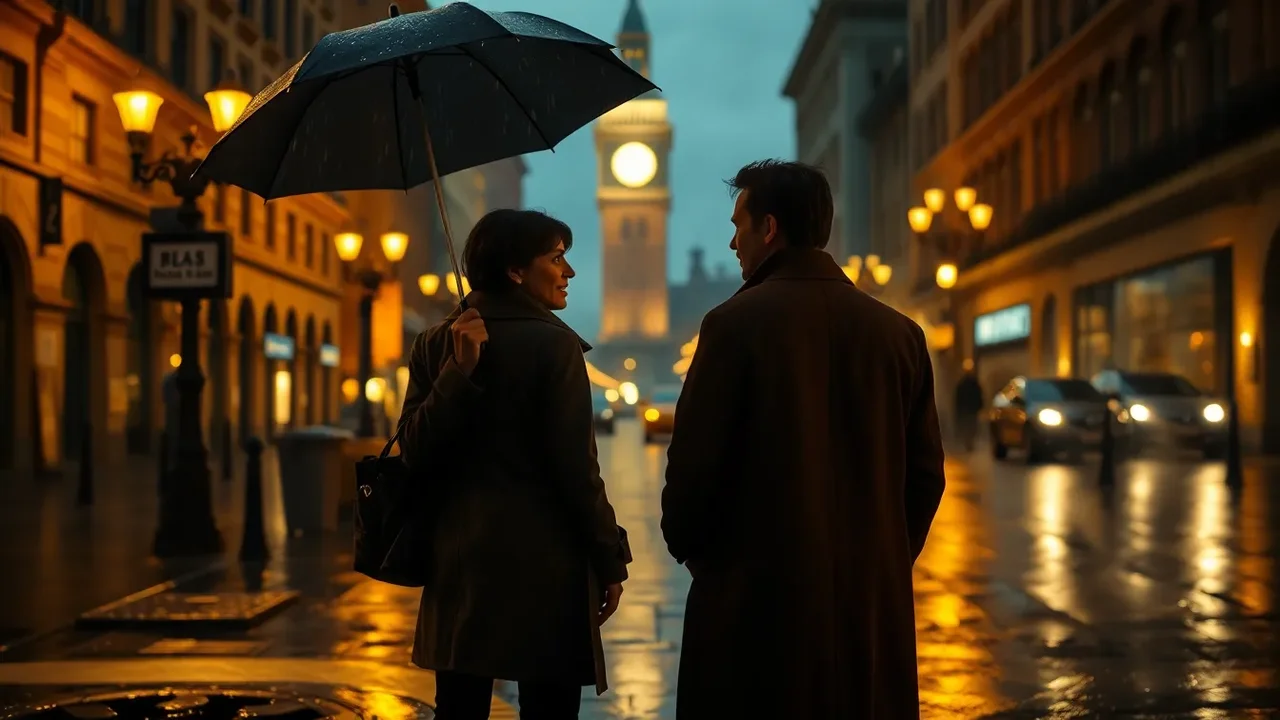
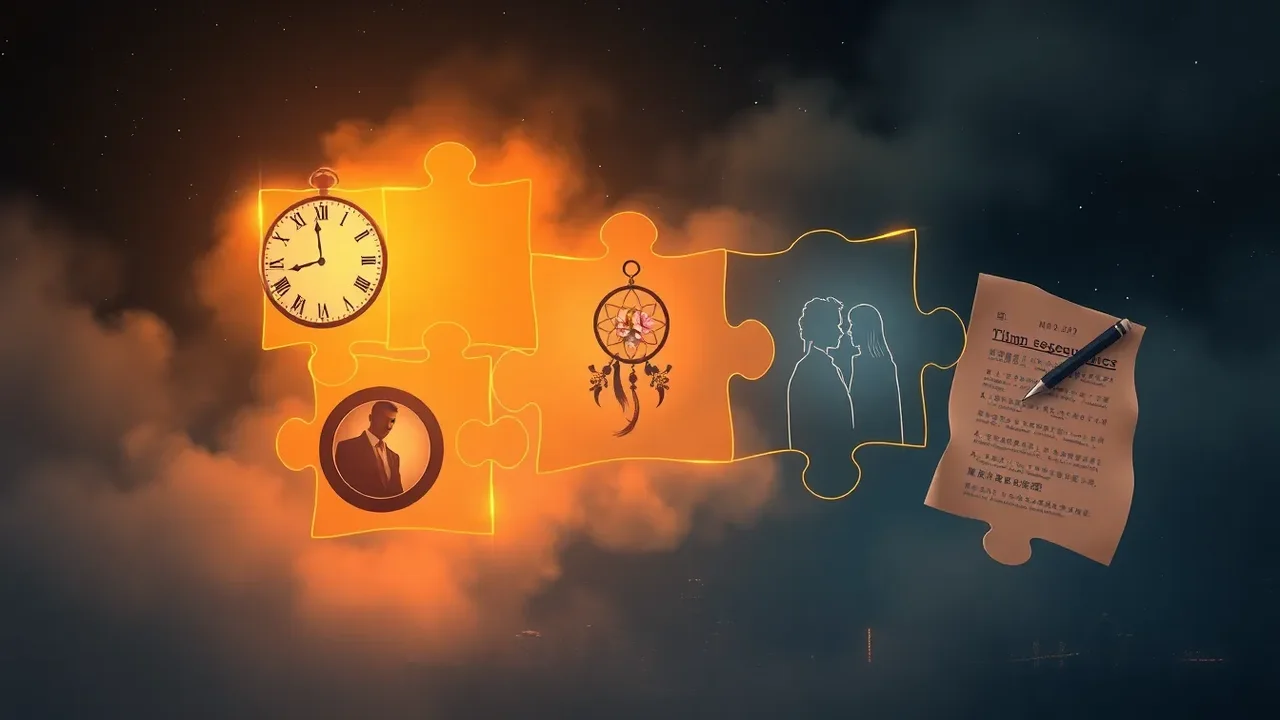
Understanding Melodrama in Storytelling
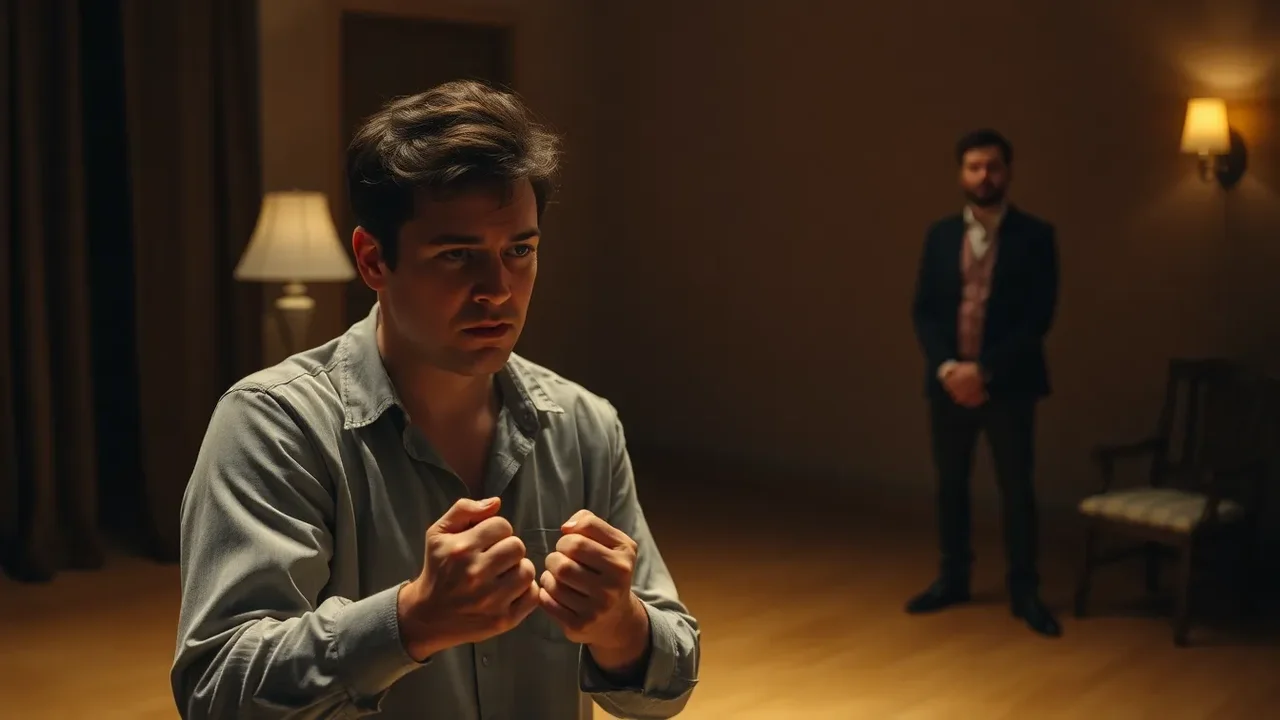
Melodrama is a dramatic mode that amplifies emotions, often relying on sensational plots and exaggerated character reactions. When used effectively, it can create powerful moments that resonate deeply with audiences. However, the line between impactful melodrama and overwrought excess is thin. Balancing melodrama requires a nuanced understanding of pacing, character motivation, and audience expectations. Writers and performers must ensure that the heightened emotion serves the story rather than overwhelms it.
What Makes Melodrama Work?
At its core, melodrama works when it feels earned. The audience must believe that the characters would react with such intensity given the circumstances. For example, a mother discovering her child is alive after years of believing them dead may legitimately break down in tears and embrace. That same reaction to a lost phone would feel ridiculous. Context is everything. Successful melodrama often hinges on high stakes, clear moral dichotomies (good vs. evil), and moments of crisis that reveal character depth.
Common Pitfalls of Overdoing Melodrama
- Constant emotional peaks: If every scene is a scream, a cry, or a grand gesture, the audience becomes numb. Contrast is necessary.
- Unearned emotional payoffs: Characters crying over minor losses or villains laughing maniacally without backstory feel cartoonish.
- Ignoring subtext: Melodrama works best when emotions bubble beneath the surface before erupting. Show restraint before release.
- Overexplanation: Let the audience infer feelings through action and reaction, not through overwrought dialogue that spells everything out.
Techniques for Balancing Melodrama
Pacing the Emotional Beats
Just as a musical composition has crescendos and quiet passages, a narrative must vary its emotional intensity. Use quieter scenes of reflection, humor, or mundane activity to give the audience a breather. Then, when a melodramatic moment arrives, it hits with greater impact. For instance, in a film about a family dealing with a terminal illness, scenes of everyday life—making breakfast, going to work—can contrast powerfully with hospital confession scenes.
Grounding in Realism
Melodrama becomes more acceptable when it is grounded in realistic details. Use sensory specifics: a trembling hand, a cracked voice, a single tear falling onto a letter. These small, authentic touches make the larger emotions believable. The audience should feel that the reaction, though intense, comes from a real human place.
Using Subtext and Silence
Sometimes what is not said speaks louder than words. A long pause before a character admits a painful truth, or a silent exchange of glances, can convey immense emotion without being melodramatic. Reserve the big speeches for moments when they are truly earned. For example, a character who has spent the entire story silent about their trauma finally breaking down in two lines is far more powerful than a monologue that goes on for pages.
Developing Sympathetic Characters
Audiences will forgive a certain degree of melodrama if they deeply care about the characters. Invest time in building backstory, vulnerabilities, and relatable flaws. When a character we love suffers, we want to cry with them. When a villain we understand reveals their pain, even their rage can feel tragic rather than ridiculous. Character depth is the safety net for melodrama.
Practical Examples: Melodrama Done Right
Example 1: The Tragic Villain
In the novel 'The Kite Runner', the character of Amir grapples with guilt and redemption. When he finally confronts his past, the scene is emotionally charged, but it works because the reader has lived through his cowardice and longing. His breakdown is not random; it is the culmination of a long journey. The melodrama is balanced by quiet moments of self-reflection earlier in the story.
Example 2: The Sacrifice Scene
In the film 'Brokeback Mountain', the final scene where Ennis holds the shirts of Jack is deeply melodramatic—a character sobbing over a piece of clothing. Yet it resonates because the film spent two hours showing their suppressed love and societal constraints. The single shirt becomes a symbol of a lifetime of longing. The emotion is intense but earned through restraint.
Example 3: The Death in the Family
In the television series 'This Is Us', many episodes are built around tear-jerking revelations. However, the show balances melodrama by interspersing humor, mundane moments, and multiple timelines. A character's death is preceded by quiet family dinners and inside jokes. The grief feels real because the audience has been given both joy and sorrow.
Tools for Self-Assessment: A Checklist
To help writers and directors evaluate whether their melodrama is balanced, here is a practical checklist:
| Criteria | Overdone (Red Flag) | Balanced (Green Light) |
|---|---|---|
| Emotional peaks frequency | Every scene has a crying or shouting character | Emotional peaks are spaced with calm or neutral scenes |
| Character motivation | Characters react disproportionately to small events | Reactions are proportional to the character's history and the event's weight |
| Dialogue explicitness | Characters say exactly what they feel in long monologues | Emotions are conveyed through action, subtext, and brief, powerful lines |
| Audience engagement | Audience feels manipulated or bored by constant drama | Audience feels catharsis, sadness, or joy that seems earned |
| Use of silence and pauses | No pauses; every moment is filled with emotional noise | Silence and stillness are used to heighten emotional impact |
Adapting Melodrama Across Genres
In Romance
Romance inherently involves high emotions, but overdrawn scenes can turn into parody. Balance by including realistic conflicts (financial issues, family disagreements) alongside grand gestures. For instance, a proposal on a beach at sunset is fine if the couple has previously argued about mundane things like laundry. That contrast makes the romance feel earned rather than cheap.
In Thrillers and Horror
Melodrama in thrillers often appears in the villain's backstory or in the hero's moral crisis. Avoid having the villain explain their entire tragic past in one speech. Instead, reveal it in fragments through visual clues and actions. In horror, melodrama can emerge in the final confrontation; keep the protagonist's screams short and visceral, not drawn-out and theatrical.
In Family Drama
Family dramas are a natural home for melodrama, but they risk becoming soap operas. To balance, rely on ensemble dynamics: one character's dramatic outburst can be undercut by another's dry humor or a child's innocent comment. Use age-appropriate reactions—a teenager's angst is different from an adult's grief.
Cultural and Historical Context
Melodrama has evolved across cultures and periods. In 19th-century theatre, melodrama was highly stylized with clear heroes and villains. Today's audiences often prefer more moral ambiguity. However, cultural differences remain: some cultures accept overt emotional displays in film and literature, while others value restraint. A writer must be aware of their intended audience's norms. For global stories, aim for universal human emotions that transcend cultural boundaries, but be careful not to flatten nuance.
Practical Exercises for Writers
Exercise 1: Rewrite an Overdone Scene
Take a scene from a melodramatic movie or story that feels exaggerated. Rewrite it by adding a subtext layer. For example, instead of a character shouting 'I hate you!' at a parent, have them whisper 'I wish you were never there' while turning away. The emotion is the same, but the delivery is more impactful.
Exercise 2: The Emotional Temperature Gauge
Create a graph of your story's emotional intensity scene by scene. Mark each scene as low, medium, or high. Ensure that no more than 20% of scenes are 'high' intensity. If two high scenes are consecutive, insert a low or medium bridge scene. This exercise helps pacing.
Exercise 3: The Silence Test
In your most melodramatic scene, try removing all dialogue. Can the emotion still be conveyed through actions, facial expressions, and staging? If not, you may be relying too much on words. Add in a moment of silence before the explosion.
Common Misconceptions About Melodrama
- Misconception: Melodrama is always bad. In reality, many classic works (e.g., Dickens, 'Les Misérables') use melodrama to explore social justice and human emotion. The key is execution.
- Misconception: Realistic stories have no melodrama. Real life often includes dramatic events—deaths, divorces, reunions. The art is in how you depict them, not whether you include them.
- Misconception: Audiences hate crying. People enjoy catharsis. They just want to feel that the tears are deserved, not manipulated.
- Misconception: Humor kills melodrama. Well-placed humor can actually enhance melodrama by providing relief and making the sad moments more poignant.
Final Practical Tips for Balancing Melodrama
To maintain balance throughout a long work, keep these pointers in mind:
- Know your genre expectations: A melodrama in a family saga may be acceptable, but in a thriller it may feel jarring. Study conventions.
- Seek feedback from trusted readers: Ask them to circle moments that felt too much or too little. Use that data to adjust.
- Use multiple characters' perspectives: Different reactions to the same event can balance out emotional extremes. One character's grief is offset by another's practicality.
- Resist the urge to resolve everything emotionally: Sometimes an understated ending—a quiet acceptance rather than a teary embrace—is more powerful.
By integrating these techniques and understanding the underlying psychology of emotional engagement, creators can harness melodrama as a tool for deep connection without falling into cliché. The goal is not to eliminate heightened emotion, but to wield it with precision, intention, and respect for the audience's intelligence.
FAQ - How to Balance Melodrama Without Overdoing It
What is the biggest mistake writers make when using melodrama?
The biggest mistake is making every scene emotionally heightened without giving the audience a breather. Constant peaks lead to desensitization. Balance requires quiet moments—humor, mundane actions, or silence—so that the melodramatic beats land with genuine impact.
Can melodrama work in realistic genres like literary fiction?
Yes, but it must be earned. In realistic genres, the melodrama should stem from deeply relatable human experiences—grief, betrayal, or sacrifice—and be delivered with subtext and restraint. The key is to avoid theatrical dialogue and instead use subtle cues like a trembling hand or a long pause.
How do I know if my scene is too melodramatic?
Test by reading it aloud with a neutral tone. If it sounds laughable or exaggerated, dial it back. Also, ask a beta reader if the emotion feels earned or manipulative. If the audience can predict the emotional beat from a mile away, it’s likely overdone.
What role does pacing play in balancing melodrama?
Pacing is crucial. After an intense melodramatic scene, allow a ‘cool-down’ period—a scene of low stakes or even a comic relief moment. This emotional rest resets the audience’s capacity to feel again, making the next emotional peak more powerful.
Is it okay to use melodrama in comedy?
Absolutely. In comedy, melodrama is often used parodically or to create ironic contrast. For example, a characters' overly dramatic reaction to a small mishap can be hilarious if the tone is clearly comedic. However, even in comedy, the melodrama should feel intentional and not accidentally sincere.
How can I make a villain's tragic backstory feel less cliché?
Avoid lengthy, confessional monologues. Instead, reveal the trauma through small details: a flinch at a certain sound, a picture they keep, or a ritual they perform. Let the audience piece together the pain. This makes the melodrama feel organic and deep rather than over-explained.
Balancing melodrama means using heightened emotion only when earned through character depth, realistic details, and careful pacing. Avoid constant emotional peaks; instead, contrast intense scenes with quiet moments, subtext, and genuine motivation. Masterful melodrama resonates deeply without feeling manipulative or overwrought.
Balancing melodrama is not about avoiding emotion, but about channeling it with craft and restraint. By pacing emotional beats, grounding reactions in realism, using subtext, and developing sympathetic characters, creators can achieve the kind of powerful storytelling that moves audiences without exhausting them. The art lies in knowing when to hold back and when to let the tears flow—earning every single moment of heightened feeling through careful narrative construction.