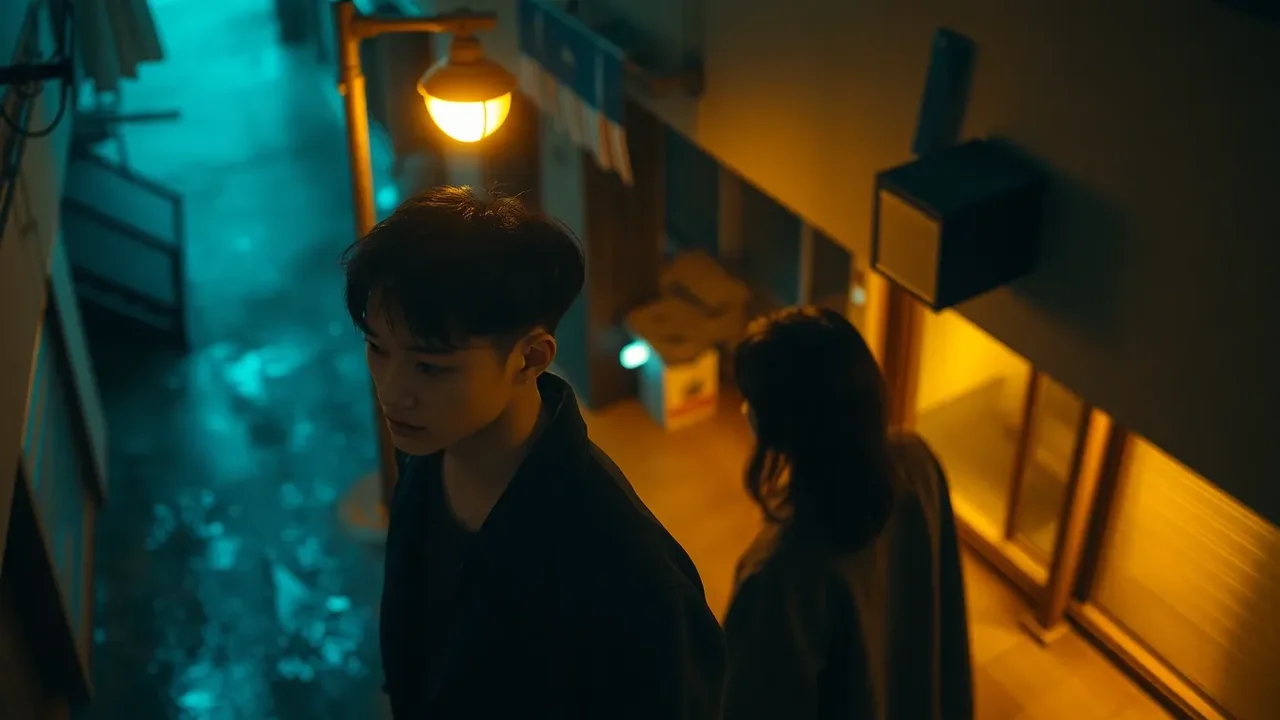
Emotional Resonance in the Transition from Page to Screen
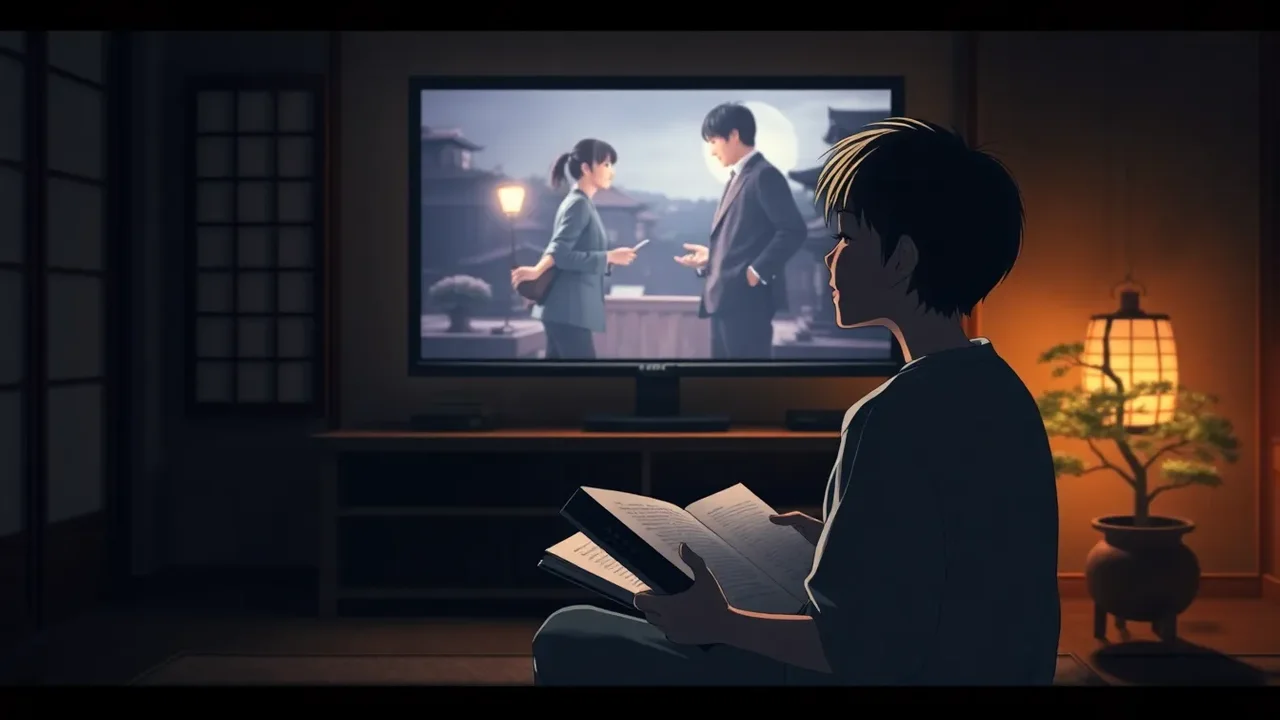
The adaptation of a beloved novel into a dorama (Japanese television drama) is a delicate art form that carries profound emotional weight for audiences. This process is not merely a translation of plot points but a reimagining of the core emotional experience. When a reader’s internal, imagined world is externalized through actors, cinematography, and music, the emotional impact can be magnified, distorted, or even betrayed. The journey from solitary reading to shared viewing creates a unique psychological landscape where nostalgia, expectation, and discovery collide.
Why Adaptations Evoke Strong Emotions
The emotional impact of a dorama novel adaptation stems from the interplay between fidelity and creative reinterpretation. Readers often form deep, personal bonds with characters and settings, which become extensions of their own psyche. When a dorama visualizes these elements, it validates the reader’s imagination but also introduces new sensory layers. For example, the casting of a beloved character like Kiyotaka from 'My Happy Marriage' can either reinforce the reader’s vision or challenge it, leading to joy or disappointment. The soundtrack, pacing, and visual aesthetics further amplify emotional peaks, such as the tension of a first confession or the heartbreak of a separation. This multisensory experience can make emotions feel more immediate and visceral than reading alone.
The Spectrum of Emotional Responses
Viewers experience a wide range of emotions during and after watching a dorama adaptation. These can be categorized into positive, negative, and transformative responses. Positive emotions include elation when a cherished scene is perfectly executed, catharsis when a tragic moment is given proper weight, and nostalgia when the atmosphere matches the novel’s tone. Negative emotions often arise from perceived inaccuracies, such as omitted subplots or altered character motivations, leading to frustration or even grief for the lost story. Transformative emotions occur when the adaptation adds new depth, such as a nuanced performance that reveals a character’s hidden vulnerability, thereby enriching the original narrative.
| Emotional Category | Common Triggers in Adaptation | Example from Popular Dorama |
|---|---|---|
| Nostalgia & Validation | Accurate recreation of key scenes, faithful character design, iconic lines delivered naturally. | In 'Hana Yori Dango' (2005), the iconic 'tsundere' dynamic between Tsukushi and Domyouji was preserved, evoking strong nostalgia for manga readers. |
| Disappointment & Frustration | Major plot changes, miscasting, rushed pacing, or omission of beloved side stories. | Fans of the novel 'The Devotion of Suspect X' felt the dorama version (2008) diluted the intellectual depth of the detective’s moral dilemma. |
| Surprise & Delight | Creative additions that enhance the story, such as new character backstories or improved romantic tension. | The dorama adaptation of 'Midnight Diner' (2009) introduced original guest characters that expanded the emotional universe of the manga. |
| Catharsis & Healing | Powerful acting, emotional music cues, and slow-motion close-ups during pivotal moments. | The final scene of '1 Litre of Tears' (2005) where Aya’s diary entries are read aloud brought many viewers to tears, even those unfamiliar with the book. |
Psychological Mechanisms Behind Emotional Impact
Identification and Empathy
When a reader transitions to a viewer, the process of identification with characters shifts. In reading, identification is internally constructed; in viewing, it is externally guided by the actor’s performance. A skilled actor can make a character more relatable or, conversely, alienate the audience if the portrayal clashes with the reader’s mental image. This dissonance can cause a form of cognitive dissonance, where the brain struggles to reconcile the two versions. However, when the performance resonates, it deepens empathy. For instance, in the adaptation of 'A Silent Voice' (2016), the voice actor’s portrayal of Shoya’s guilt and redemption added a layer of auditory emotional weight that the novel’s text could only suggest.
Memory and Nostalgia
Adaptations often trigger autobiographical memories. A reader who experienced the novel during a formative period may find that the dorama brings back not just the story but the emotions of that time in their life. This phenomenon, known as 'nostalgic pleasure,' can make the adaptation feel deeply personal. Conversely, if the adaptation alters the story’s emotional core, it can feel like a violation of those cherished memories. The 2019 adaptation of 'The Romance of Tiger and Rose' for Chinese drama (though not a dorama) illustrates this: fans of the web novel were divided over the comedic tone versus the original’s darker themes.
Practical Impact on Fandom and Community
Shared Viewing Experience
Dorama adaptations create communal emotional experiences. Fans gather online to discuss each episode, sharing reactions through live-tweeting, fan art, and forum debates. This collective processing of emotions—from joy to outrage—strengthens social bonds. For example, the weekly release of 'The Makanai: Cooking for the Maiko House' (2023) on Netflix spurred discussions about food, friendship, and cultural authenticity. However, this community can also amplify negative emotions, as vocal criticism of changes can create a feedback loop of disappointment.
Emotional Labor of Adaptation Creators
Producers, writers, and directors face immense emotional pressure to honor the source material while making it accessible to new audiences. They must balance the expectations of die-hard fans with the needs of a television format. This often involves making difficult choices, such as condensing a 500-page novel into 10 episodes. The emotional impact of these choices is felt acutely by fans. A well-received adaptation, like 'The 8-Year Engagement' (2017), which faithfully translated the memoir’s raw emotion, can heal and inspire. A poor adaptation, like the controversial 'Fate/Stay Night: Unlimited Blade Works' (2014) TV series, can cause lasting resentment.
- Positive Community Outcomes: Increased fan engagement, creation of new fanworks, cross-cultural appreciation.
- Negative Community Outcomes: Fan backlash, boycotts, toxic arguments over 'correct' interpretations.
- Neutral Emotional Shifts: Some viewers may prefer the adaptation over the novel, leading to a reevaluation of the original work.
Case Studies in Emotional Impact
Case 1: 'Nodame Cantabile' (2007)
The adaptation of this manga about classical musicians is often cited as a gold standard. The emotional impact was heightened by the choice to use real piano performances and the chemistry between the leads. Viewers reported feeling inspired to learn music, and the dorama’s comedic tone balanced the intense emotional scenes. The key to its success was the preservation of the characters’ quirks and growth arcs.
Case 2: 'The Promised Neverland' (2019)
The anime adaptation of this manga (though not a live-action dorama, it serves as a cautionary tale) caused significant emotional distress among fans due to a rushed second season that omitted major story arcs. This led to widespread anger and a sense of betrayal. The lesson is clear: when adaptations cut essential emotional beats, they risk invalidating the audience’s investment.
Practical Tips for Managing Emotional Expectations
For viewers, managing expectations is crucial. Approach the adaptation as a separate entity rather than a carbon copy. Recognize that the visual medium has different strengths: a glance, a pause, or a musical score can convey emotions that words cannot. Conversely, internal monologues and subtle character thoughts are often lost. Reading the novel after watching the dorama can also be a rewarding experience, as it fills in the gaps. For creators, involving the original author in the adaptation process can mitigate emotional backlash, as seen in the collaboration on 'The Yakuza’s Guide to Babysitting' (2022).
Emotional Aftermath and Legacy
The emotional impact of a dorama adaptation often lingers long after the final episode. It can influence how readers remember the novel, sometimes overshadowing the original text. A powerful adaptation can revive interest in a forgotten book, while a weak one can tarnish its reputation. Ultimately, the emotional journey is a testament to the power of storytelling across media. The best adaptations honor the spirit of the original while embracing the unique opportunities of film and television, creating a new emotional artifact that resonates with both old and new audiences.
FAQ - The Emotional Impact of This Dorama Novel Adaptation
Why do I feel sad or angry after watching a dorama adaptation of my favorite novel?
This is a common emotional response known as 'adaptation grief.' When a cherished story is visualized, it may not match your internal imagination, leading to feelings of loss or betrayal. Additionally, changes in plot or character depth can disrupt the emotional connection you had with the original work.
Can a dorama adaptation ever be better than the novel?
Yes, in many cases. A skilled adaptation can enhance the emotional impact through visual storytelling, music, and acting. For example, a subtle facial expression or a poignant soundtrack can convey emotions that the novel's prose only suggests. Some viewers even prefer the adaptation for its immediacy and sensory richness.
How can I reduce disappointment when watching an adaptation?
Approach the adaptation as a separate artistic work rather than a perfect copy. Manage expectations by acknowledging that changes are necessary for a different medium. Reading reviews or watching trailers beforehand can help, but also allow yourself to experience the story anew without constant comparison.
What is the role of music in the emotional impact of a dorama adaptation?
Music is a powerful emotional amplifier. A well-composed soundtrack can heighten tension, underscore romantic moments, or evoke nostalgia. For instance, a recurring theme associated with a character can trigger strong emotional memories, making pivotal scenes more impactful than in the novel.
Why do some adaptations spark intense online debates?
Adaptations often divide fans because they challenge personal interpretations. Disagreements over casting, omitted scenes, or altered endings can lead to passionate arguments. This is fueled by the strong emotional investment fans have in the original story, making any deviation feel personal.
Can watching an adaptation ruin the experience of reading the novel later?
It depends on the individual. Some viewers find that the adaptation's visuals and pacing enhance their reading experience by providing a concrete reference. Others may feel that the adaptation 'spoils' their imagination. To avoid this, consider reading the novel first or waiting a while after watching the adaptation.
The emotional impact of a dorama novel adaptation arises from the tension between reader imagination and visual realization. This process evokes nostalgia, joy, disappointment, or catharsis through casting, music, and plot changes. Understanding this psychological journey helps viewers manage expectations and appreciate adaptations as unique emotional artifacts that can deepen or challenge their connection to the original story.
In summary, the emotional impact of a dorama novel adaptation is a complex tapestry woven from threads of expectation, memory, visual artistry, and communal experience. Whether it brings tears of joy or sighs of disappointment, the journey from page to screen is a testament to the enduring power of stories to move us. The best adaptations honor the emotional core of the original while daring to create new moments of beauty, reminding us that every retelling is an opportunity to feel deeply, connect with others, and see our beloved characters in a new light. Ultimately, the emotional resonance lies not in perfect fidelity, but in the authentic spark of human emotion that transcends medium.