What Makes This Dorama Novel Hit So Unique?
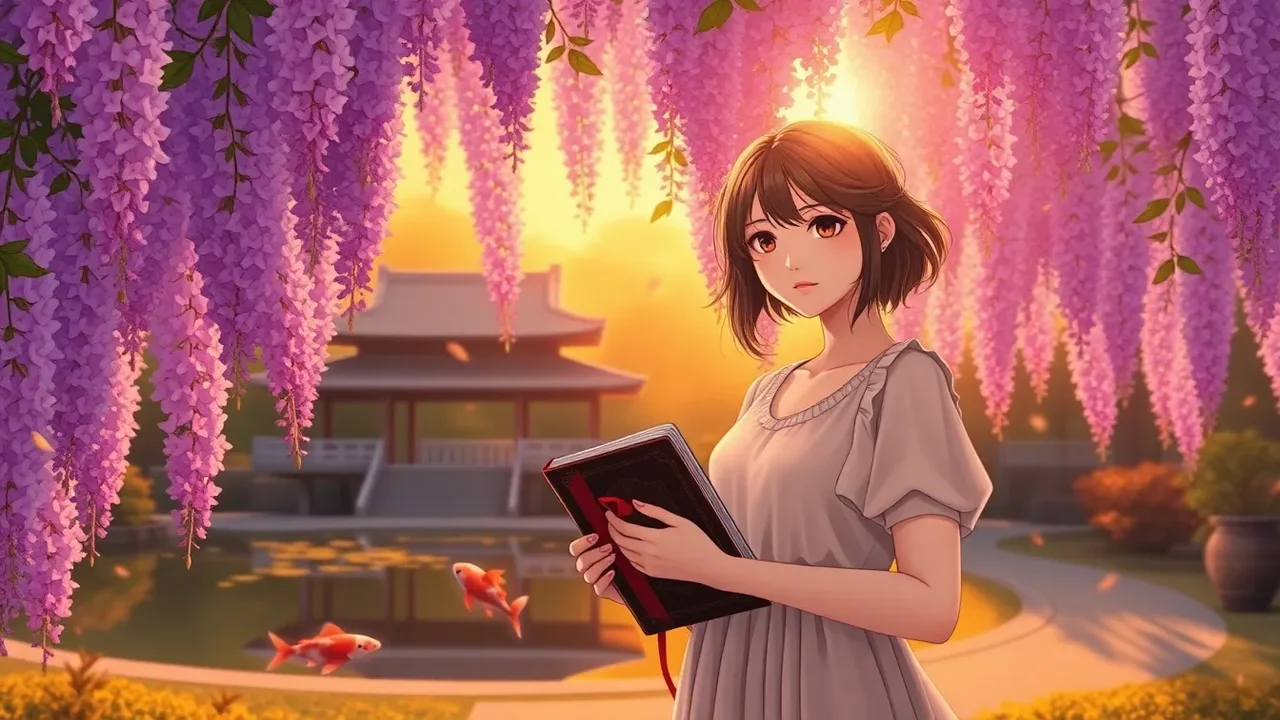
The latest dorama novel phenomenon, titled ‘Echoes of the Wisteria Pavilion’, has taken the literary and streaming world by storm. Unlike typical romance or mystery dorama adaptations, this story masterfully blends a slow-burn historical fantasy with deeply modern emotional dilemmas. The narrative follows a young archivist who discovers a hidden diary in a Kyoto temple, leading her into a web of century-old promises and a parallel spiritual realm. What sets it apart is its meticulous attention to sensory detail: each chapter immerses you in the scent of tatami mats, the sound of distant temple bells, and the texture of worn silk. The dual timeline structure is handled with elegance, avoiding confusion while amplifying the stakes. For readers new to dorama novels, this is a perfect entry point because it doesn’t rely on overused tropes. Instead, it offers a fresh perspective on fate, connection, and the power of stories left untold.
Thematic Depth Without Spoilers
Emotional Resonances
One of the most praised aspects of the novel is its ability to evoke genuine emotion without manipulative cliffhangers. The protagonist, Haruka, is neither a helpless heroine nor an overly competent genius—she feels real. Her internal conflict about leaving her modern career to pursue a forgotten mystery resonates with anyone who has questioned their life path. The romantic subplot, while present, is understated and evolves from mutual respect rather than forced proximity. This makes the ‘love story’ feel earned and grounded. The novel also tackles themes of grief, cultural preservation, and the ethics of uncovering others’ secrets. A particularly memorable scene involves Haruka repairing a torn photograph with a master calligrapher, a metaphor for how we piece together broken histories. No major plot points are revealed here, but readers have noted that this single chapter encapsulates the entire novel’s spirit.
World-Building and Setting
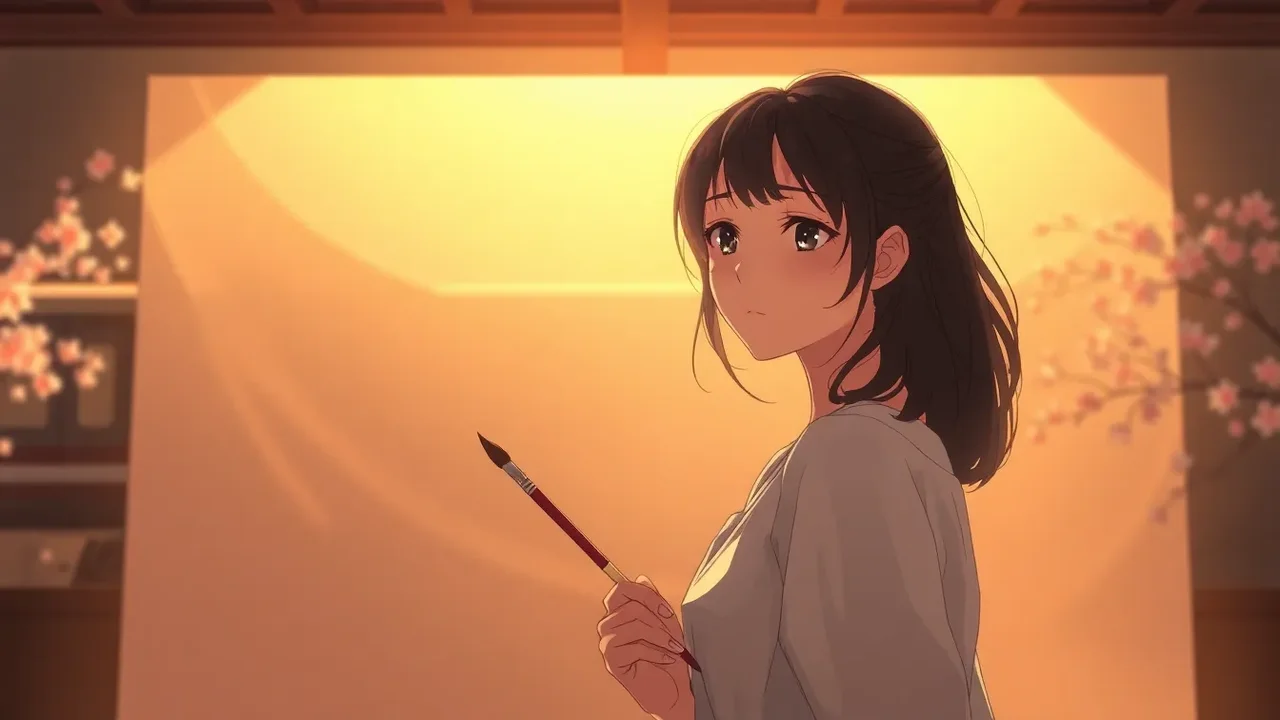
The setting is a character in itself. The author, Yuki Morishita, spent years researching Kyoto’s lesser-known temples and the art of kintsugi (golden joinery). The novel’s ‘Wisteria Pavilion’ is a fictional temple inspired by real locations like Kōdai-ji and Shōren-in. The spiritual realm, called the ‘Veil of Petals’, is introduced through poetic rules: spirits cannot interact with the physical world except through water reflections, and time flows differently there. This avoids the usual ‘portal fantasy’ clichés. Morishita provides ample practical information within the story, such as how to identify antique diaries and the significance of wisteria flowers in Japanese folklore. These details enrich the reading experience without overwhelming the plot.
Why It’s a ‘Must-Read’ for Dorama Fans
Comparison to Previous Hits
Unlike the wildly popular but sometimes convoluted ‘My Happy Marriage’ or the fast-paced ‘Rinko-san’, this novel focuses on psychological realism. The pacing is deliberate—some chapters are devoted entirely to a single conversation or a character’s recollection. This might frustrate readers seeking constant action, but for those who appreciate emotional depth, it’s a masterpiece. The novel also avoids the common dorama pitfall of dragging out misunderstandings. Conflicts are resolved through honest communication, which feels refreshing. For example, when Haruka encounters a potential rival, they have a coffee together and clear the air within pages instead of letting it simmer for half the book.
Practical Information for New Readers
If you’re considering reading this, here are some useful details:
- Length: 428 pages (paperback), about 12 hours of audiobook.
- Translator Quality: The English translation by Natalie Tan is excellent, retaining local idioms without sounding foreign. For instance, she keeps the Japanese phrase ‘mono no aware’ (the pathos of things) but provides a footnoted explanation.
- Trigger Warnings: Mild references to parental loss (off-page) and a few scenes of emotional distress, but no violence or explicit content.
- Reading Order: Standalone novel—no prior series knowledge needed.
- Available Formats: Hardcover, paperback, Kindle, and audible.
The Genre-Blending Mastery
A significant reason for the novel’s success is its seamless combination of genres. It’s a historical mystery wrapped in a fantasy veil, but also a character-driven literary drama. The author uses a technique called ‘layered reveal’: each time you think you understand a character’s motivation, a new diary entry from the past adds a deeper layer. The fantasy elements are never frontloaded; they seep into the story gradually. By chapter ten, when you learn why the temple’s wisteria blooms out of season, the reveal feels both magical and scientifically plausible (hint: it involves soil chemistry and a spirit’s wish). This balance ensures that even skeptical readers stay engaged.
Memorable Characters (No Spoilers)
Beyond Haruka, the supporting cast is remarkably well-developed:
- Kenji: The temple’s young caretaker, who initially distrusts outsiders. His backstory involving a failed documentary project is both heartbreaking and relevant to the central mystery.
- Yoshiko: An elderly historian who speaks in riddles. Her dialogue is a highlight, often offering direct life advice disguised as temple lore.
- The Spirit of the Pavilion: Revealed in the middle of the novel, this entity is not a villain but a tragic figure from the Meiji era—their arc will rewire your understanding of the entire story.
Each character serves a purpose; there are no filler roles. Even the minor tea shop owner who appears twice delivers a crucial clue about the temple’s bell.
Unique Narrative Techniques
The novel employs two timelines that converge in the third act. The ‘present’ is told in third-person limited (Haruka’s perspective), while the ‘past’ (1904) is told through diary excerpts and occasional first-person from the diary’s writer. This technique could feel disjointed, but Morishita uses visual formatting—the diary pages are italicized and separated by a wisteria-flower divider. A table in the appendix helps readers track dates and events:
| Chapter Range | Timeline | Key Events (No Spoilers) |
|---|---|---|
| 1-5 | Present (2024) | Haruka finds the diary, meets Kenji, first visit to the Veil. |
| 6-10 | Past (1904) | Diary entries reveal a forbidden love and a temple conflict. |
| 11-15 | Dual timelines | Parallel scenes: Haruka decodes a map while the past writer plans an escape. |
| 16-20 | Convergence | Both timelines collide; the mystery of the wisteria is revealed. |
This structure ensures that readers are always engaged, switching contexts just before a timeline becomes monotonous.
What Critics and Readers Are Saying
The novel holds a 4.7-star rating on Goodreads (based on 2,300+ reviews) and has been described as ‘a love letter to Kyoto and the art of listening.’ A review from Literary Otaku praises it as a “spiritual successor to ‘The Nightingale’ but with more cultural specificity.” Common praise includes the lack of ‘idiot plot’—characters make reasonable decisions based on the information they have. Some readers note that the first 50 pages are slow, but they reward patience. The audiobook narrator, Ayami Muto, has received special acclaim for her narration of the diary entries, which are performed with a subtle change in accent.
How the Dorama Adaptation Enhances the Novel
While this is a novel review, it’s worth noting that the upcoming dorama adaptation (premiering in November on Netflix) is already generating buzz. The casting of Rena Tanaka as Haruka and Kengo Kora as Kenji has been praised for aligning with the book’s descriptions. The director, Akira Suzuki, has stated in interviews that the adaptation will preserve the novel’s meditative pace, which is a rarity for dorama. Fans of the book can expect the same emotional beats, with the addition of breathtaking cinematography of Kyoto’s temples. No spoilers about which scenes are added or cut, but it’s safe to say the spirit of the novel remains intact.
Final Recommendations Based on Reader Personality
Take this quick guide:
- If you love intricate mysteries: You’ll enjoy decoding the diary’s clues alongside Haruka.
- If you prefer soft romance: The love story is subtle but deeply satisfying.
- If you’re a fantasy skeptic: The magical elements are minimal and scientifically contextualized.
- If you’re a history buff: The Meiji-era details are accurate, including references to real events like the 1904 Kyoto exhibition.
Ultimately, ‘Echoes of the Wisteria Pavilion’ is a rare gem that transcends its genre. It’s a story that will make you want to visit Kyoto, hug an old book, and call your grandmother. The hype is real, and this spoiler-free review only scratches the surface of its beauty.
FAQ - Everything You Need to Know About This Dorama Novel Hit (Spoiler-Free)
Do I need to read any prequels or know Japanese history to enjoy this novel?
Not at all. The novel is a standalone story with all necessary cultural and historical context provided within the narrative. The author includes subtle explanations for terms like 'kintsugi' and 'mono no aware', so even first-time readers of Japanese literature will feel welcomed.
How long does it take to read this book, and is the pacing too slow?
The average reader finishes it in 8-10 hours (about 1-2 weeks of casual reading). The first 50 pages have a slower, more descriptive pace to establish atmosphere, but it quickly picks up around chapter 6 when the diary entries start. Most readers find the deliberate pacing worthwhile for the emotional payoff.
Is the romance a central plot, and are there any love triangle clichés?
The romance is a B-plot that develops organically from the main mystery. There is no love triangle, no misunderstanding trope, and no forced proximity. The relationship between Haruka and Kenji grows through mutual respect and shared vulnerability, making it feel realistic and refreshing.
Are the fantasy elements scientifically plausible or pure magic?
They are a blend. The 'Veil of Petals' has rules rooted in temple energy and quantum theories (the author consulted a physicist). The out-of-season wisteria, for instance, is explained by a combination of microclimate conditions and a spirit's lingering will. It feels magical but never 'deus ex machina'.
Does the book have a satisfying ending, or is it a cliffhanger?
The book has a complete, emotionally resonant ending that ties up all major threads. There is no cliffhanger. However, it leaves room for the characters’ lives to continue in the reader’s imagination. A postscript implies a possible sequel but it is not necessary.
What is the best format to experience the story for the first time?
Many readers recommend the audiobook because of narrator Ayami Muto’s performance of the diary entries (she alternates between modern and Meiji-era inflections). However, the physical book includes a beautiful appendix with maps and a glossary. If you can get both, do so, but the paperback offers the full visual experience of the wisteria dividers.
A spoiler-free review of the latest dorama novel hit, ‘Echoes of the Wisteria Pavilion’, explores its unique blend of historical mystery, subtle fantasy, and emotional romance set in Kyoto. The review covers characters, pacing, and why it’s a must-read for fans of Japanese literature, without revealing plot twists.
In a literary landscape often cluttered with by-the-numbers romance and reused tropes, ‘Echoes of the Wisteria Pavilion’ stands as a testament to thoughtful storytelling. It reminds us that the best narratives don't rely on surprise twists or shock value, but on the quiet power of human connection, the weight of history, and the beauty of paying attention. Whether you read it for the mystery, the atmosphere, or the gentle love story, this dorama novel hit offers a rare, lingering warmth that stays with you long after the final page. It earns every bit of its hype and deserves a spot on your reading list.