Understanding the Core of a Complicated Villain
A truly memorable villain is not defined by their evil deeds alone, but by the intricate web of motivations, flaws, and humanity that drives them. The goal is to create a character who feels real, whose actions, however terrible, stem from a place the audience can understand, if not condone. This requires moving beyond the archetype of the 'cartoonish' villain—the one who cackles, twirls a mustache, and seeks power for its own sake. Instead, we must build a character with depth, contradictions, and a believable psychology.
Why Cartoonish Villains Fail
Cartoonish villains often serve as simple obstacles. They exist to be defeated, and their lack of complexity makes the story feel shallow. Audiences today crave nuance. A villain who is purely evil offers no moral ambiguity, no challenge to the hero's worldview, and no opportunity for the audience to question their own values. Such villains are forgettable. In contrast, a complicated villain lingers in the mind long after the story ends, prompting discussions about morality, justice, and the nature of evil.
Building a Believable Backstory
The foundation of any complicated villain is a compelling backstory. This does not mean excusing their actions, but rather explaining them. A villain's past should be a tapestry of events that shaped their worldview. Consider these elements:
- Trauma or Loss: A significant, often unjust, loss can warp a person's perspective. For example, a villain who lost their family due to a corrupt system might believe that the only way to create justice is to tear down that system entirely, regardless of collateral damage.
- Betrayal: Being betrayed by someone they trusted can lead to a deep-seated cynicism and a belief that trust is a weakness. This can manifest as a villain who manipulates others, seeing relationships only as tools.
- Idealism Corrupted: The most dangerous villains often start as idealists. A scientist who wanted to cure a disease might, after being rejected by the establishment, resort to unethical experiments to prove their theory. Their goal remains noble, but their methods become monstrous.
- Systemic Failure: A villain can be a product of their environment. Growing up in poverty, oppression, or a society that values certain lives over others can create a deep-seated rage and a desire for revolution, even if that revolution is violent and destructive.
Example: The Fallen Protector
Consider a character named Alistair, once a celebrated general who defended his kingdom. After a political coup, his family was executed on false charges, and he was exiled. His backstory is not one of inherent evil, but of profound injustice. His goal is not 'world domination' but 'systemic correction.' He seeks to dismantle the monarchy and install a meritocracy, but his methods involve terrorism and assassination. The audience can understand his pain and even agree with his end goal, but they are forced to grapple with the horror of his methods. This tension is the hallmark of a complicated villain.
Motivations Beyond 'Evil'
A villain's motivation must be personal, specific, and relatable on some level. Avoid abstract concepts like 'power' or 'chaos.' Instead, drill down to the core need. The following table outlines common cartoonish motivations versus their complicated counterparts:
| Cartoonish Motivation | Complicated Motivation |
|---|---|
| I want to rule the world. | I want to create a world where no one suffers as I did, even if I must control everyone to do it. |
| I am evil because I am evil. | I believe that the ends justify the means, and my ends are the only moral choice. |
| I hate the hero for no reason. | I see the hero as a symbol of the system that failed me, and their success invalidates my suffering. |
| I want to destroy everything. | I want to destroy the current order because it is fundamentally corrupt, and I believe something better can rise from the ashes. |
| I want immortality. | I fear death because I have unfinished work, or because I am terrified of being forgotten after a life of insignificance. |
Notice how the complicated motivations are rooted in emotion, experience, and a twisted form of logic. They are not arbitrary; they are the result of a specific worldview that has been shaped by the villain's history.
Flaws and Contradictions
A complicated villain must have flaws that are not just 'evil' traits. They should have virtues that conflict with their villainy. This creates internal conflict and makes them unpredictable. Consider these contradictions:
- The Merciful Tyrant: A villain who is ruthless in achieving their goals but shows unexpected kindness to children or animals. This suggests a remnant of humanity that they suppress.
- The Honorable Liar: A villain who lies to the world but holds a strict personal code of honor. They might never break a promise made to a loved one, even if it costs them their plan.
- The Selfless Egoist: A villain who believes their actions are for the greater good, but their methods are driven by a deep-seated need for recognition or validation. They crave applause even as they commit atrocities.
- The Cowardly Conqueror: A villain who seeks power because they are terrified of being powerless. Their aggression is a mask for deep insecurity.
Practical Application: Writing a Scene
To show these contradictions, write a scene where the villain's actions are at odds with their stated philosophy. For example, the 'Merciful Tyrant' might spare a child soldier, but then execute the child's entire village to 'set an example.' This action is both cruel and compassionate in a twisted way, forcing the audience to feel a mix of revulsion and confusion. The villain's internal conflict should be visible, perhaps through a moment of hesitation or a quiet, private conversation where they reveal their doubts.
Relationships and Humanity
A villain does not exist in a vacuum. Their relationships with other characters—allies, enemies, and neutral parties—reveal their humanity. A villain who genuinely loves someone, or who is loved in return, becomes infinitely more complex. This love can be a source of strength or a fatal weakness.
The Loyal Lieutenant
Give the villain a loyal follower who believes in them. This relationship should not be based on fear alone. Perhaps the lieutenant was saved by the villain, or shares their vision. The villain's treatment of this follower—whether they are protective, manipulative, or genuinely caring—reveals their capacity for connection. If the villain sacrifices the lieutenant for the plan, it shows their ruthlessness. If they risk the plan to save the lieutenant, it shows their vulnerability.
The Mirror to the Hero
The best villains are often a dark mirror of the hero. They share similar skills, backgrounds, or goals, but made different choices. This creates a powerful dynamic. The hero sees what they could have become, and the villain sees what they despise. This relationship forces both characters to confront their own beliefs. For example, a hero who believes in redemption might be forced to question that belief when faced with a villain who has committed unforgivable acts but shows genuine remorse.
Practical Techniques for Development
Here are some actionable steps to ensure your villain is complicated, not cartoonish:
- Write a Monologue: Write a scene where the villain explains their philosophy to a captive audience. Do not let them sound like a ranting madman. Let them make a logical, emotional case for their actions. The audience should be tempted to agree, even for a moment.
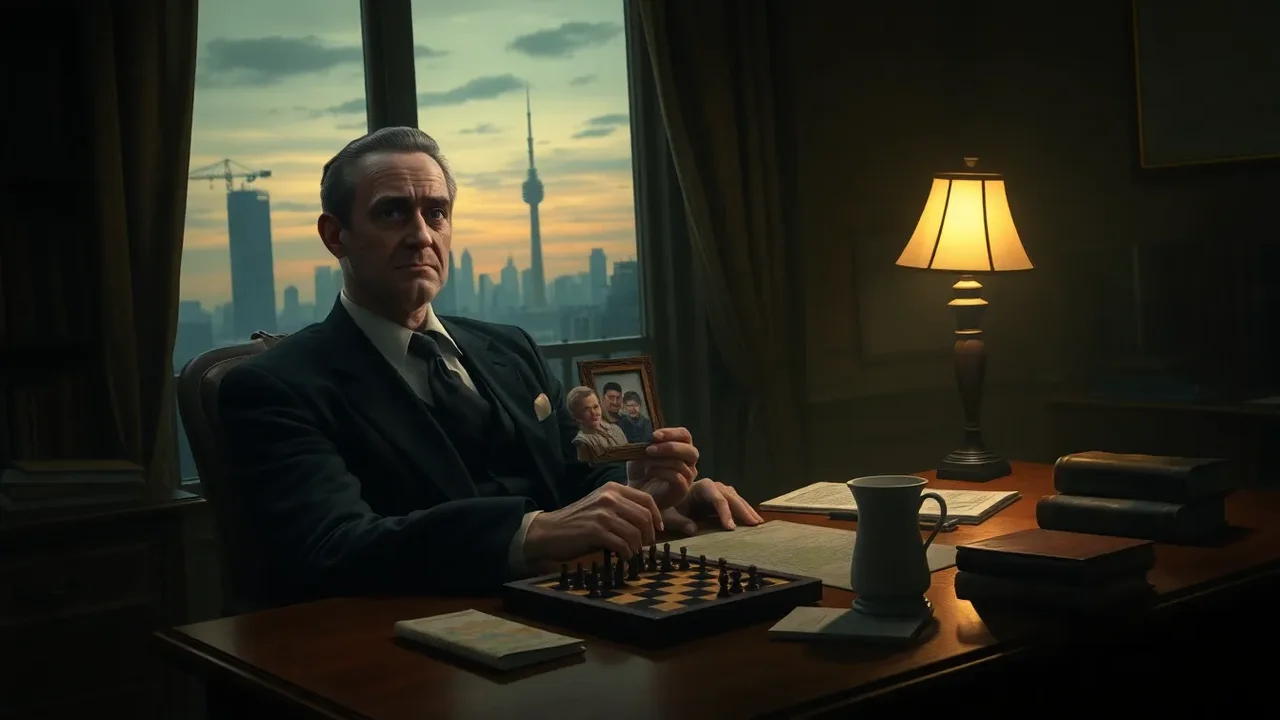
- Give Them a Hobby: A villain who plays chess, paints, or tends a garden is more human. These small details show that they have a life outside of their villainy. It also provides opportunities for symbolism (e.g., a gardener who controls nature, a chess player who sees people as pieces).
- Show Their Fear: What is the villain afraid of? It could be failure, abandonment, or a specific person from their past. Showing their fear makes them vulnerable and relatable. A villain who is terrified of being forgotten might leave behind grandiose monuments, even if it compromises their plan.
- Create a Code: Even the most ruthless villain can have a code. They might refuse to harm children, or they might always give their enemies a chance to surrender. This code makes their actions more predictable in some ways, but also creates tension when the code is tested.
- Use Subtext: Do not have the villain explain their entire backstory in a single speech. Let it be revealed through actions, dialogue with other characters, and subtle hints. A villain who flinches at the sound of a bell might have been a prisoner. A villain who always wears a scarf might be hiding a scar from a past betrayal.
Avoiding Common Pitfalls
Even with good intentions, writers can fall into traps that make a villain feel cartoonish. Avoid the following:
- The 'Tragic Past' Excuse: A tragic past does not automatically make a villain complicated. If the backstory is used to justify every evil act without any nuance, the villain becomes a victim, not a villain. The key is that the villain made choices, even if those choices were influenced by their past.
- Inconsistent Motivation: A villain who changes their goals randomly for the sake of plot twists is not complicated; they are confusing. Their core motivation should remain consistent, even if their methods evolve.
- Over-Explaining: Do not explain every aspect of the villain's psychology. Leave some mystery. The audience should be able to interpret and debate the villain's actions. A villain who is fully understood is less interesting.
- Making Them Too Sympathetic: A complicated villain should not be so sympathetic that the audience forgets they are a villain. They must commit acts that are clearly wrong. The goal is to create moral tension, not to excuse evil. The audience should feel conflicted, not comfortable.
Conclusion of Content Section
Creating a complicated villain is a rewarding challenge that elevates any story. By focusing on believable backstories, personal motivations, internal contradictions, and meaningful relationships, you can craft a character who is not just an obstacle, but a force that challenges the hero and the audience alike. The best villains are those who make us question our own morality, who linger in our minds, and who remind us that the line between good and evil is often thinner than we think.
FAQ - Creating a Villain Who’s Complicated, Not Cartoonish
What is the most important element in making a villain complicated?
The most important element is a believable and specific motivation that stems from their personal history and worldview. This motivation should be understandable, even if their methods are not, creating moral ambiguity for the audience.
How do I avoid making my villain too sympathetic?
Ensure the villain commits clearly harmful acts that cannot be excused by their backstory. The goal is to create tension between understanding their reasons and condemning their actions. They must remain a genuine threat, not a misunderstood victim.
Can a villain have a code of ethics and still be evil?
Absolutely. A personal code, such as refusing to harm children or always keeping a promise, adds depth and contradiction. It makes the villain more human and unpredictable, as their code can create internal conflict or be exploited by the hero.
How do I reveal a villain's backstory without info-dumping?
Reveal it gradually through subtext, dialogue with other characters, and symbolic actions. For example, a villain who flinches at a specific sound or keeps a memento can hint at their past. Let the audience piece together the story, which makes it more engaging.
What is the difference between a complicated villain and an anti-hero?
A complicated villain is still a villain—they commit acts that are morally wrong and serve as an antagonist to the hero. An anti-hero is a protagonist who lacks traditional heroic qualities but ultimately works toward a positive goal. The key difference is their role in the story and the moral alignment of their actions.
How can I use the hero to highlight the villain's complexity?
Create a mirror relationship where the hero and villain share similar traits, goals, or backgrounds but made different choices. This forces both characters to confront their own beliefs and allows the audience to see the villain as a dark reflection of what the hero could become.
Creating a complicated villain involves crafting a character with a believable backstory, personal motivations, and internal contradictions, rather than relying on cartoonish evil. Focus on relatable flaws, meaningful relationships, and moral ambiguity to challenge the hero and audience, making the villain memorable and thought-provoking.
Creating a villain who is complicated, not cartoonish, is an exercise in empathy and moral exploration. It requires the writer to step into the shoes of someone whose actions they may abhor, and to find the humanity within. The reward is a story that resonates on a deeper level, challenging readers to question their own assumptions about good and evil. A well-crafted villain does not just oppose the hero; they illuminate the hero's own flaws and strengths, and in doing so, they make the entire narrative richer, more thought-provoking, and ultimately, more unforgettable.