Understanding the Anatomy of a Dramatic Rain Scene
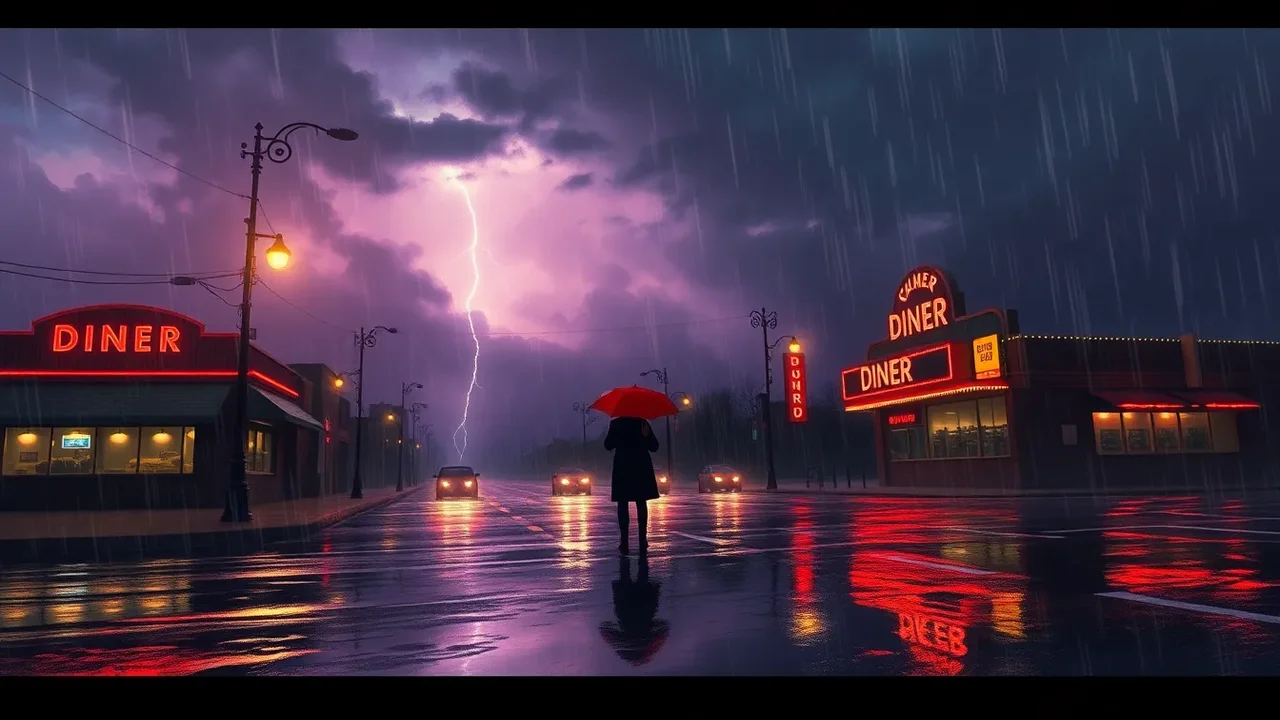
Crafting a rain scene that feels fresh and dramatic requires more than just describing water falling from the sky. It demands a deep understanding of sensory details, emotional resonance, and narrative purpose. A truly memorable rain scene engages all five senses, uses weather as a character, and avoids clichés like the plague. The key is to make the rain feel alive, unpredictable, and integral to the story. This guide will walk you through the essential components, from choosing the right type of rain to layering sound, smell, and texture. We will explore how to use rain to heighten tension, reveal character, and create a vivid atmosphere that readers can almost feel on their skin. By the end, you will have a toolkit of techniques to write rain scenes that are not only dramatic but also refreshingly original.
Choosing the Right Type of Rain for Your Scene
Not all rain is created equal. The type of rain you choose dramatically affects the mood and pacing of your scene. A gentle drizzle creates a different emotional landscape than a violent thunderstorm. Consider the following table to match rain types with narrative goals:
| Rain Type | Characteristics | Best Used For |
|---|---|---|
| Drizzle / Mist | Fine droplets, persistent, low visibility, soft sound | Melancholy, introspection, mystery, romantic tension |
| Steady Downpour | Consistent, heavy, drumming sound, creates puddles | Action sequences, chase scenes, cleansing moments, emotional release |
| Thunderstorm | Loud thunder, lightning, gusty wind, torrential rain | Climactic confrontations, danger, supernatural events, high drama |
| Sudden Cloudburst | Unexpected, intense, short-lived, chaotic | Surprise, disruption, turning points, character epiphanies |
| Freezing Rain / Sleet | Icy, stinging, dangerous, slippery surfaces | Hardship, survival, bleakness, physical struggle |
When selecting your rain type, think about the emotional arc of your scene. A character experiencing a breakthrough might benefit from a cleansing downpour, while a character facing a moral dilemma might be better served by a persistent, irritating drizzle. The rain should mirror or contrast the internal state of your characters. For example, a joyful reunion under a sudden cloudburst can feel exhilarating, while a funeral under a steady drizzle deepens the sorrow. Avoid generic descriptions like 'it was raining.' Instead, specify the rain's weight, sound, and rhythm. Use strong verbs: the rain lashed, pelted, drummed, hissed, or whispered. Each verb carries a different emotional charge.
Engaging All Five Senses
The most dramatic rain scenes are those that immerse the reader completely. To achieve this, you must go beyond sight and sound. Here is a list of sensory details to incorporate:
- Sight: Describe the rain as sheets, curtains, needles, or veils. Note how it distorts vision, creates ripples in puddles, and makes streetlights glow. Mention the color of the sky—bruised purple, sickly yellow, or deep gray. Observe how rain transforms familiar landscapes: leaves become slick, windows streak, and roads turn into mirrors.
- Sound: The sound of rain is not monolithic. It can be a gentle patter on leaves, a loud roar on a tin roof, a hiss on hot pavement, or a gurgle in gutters. Include the sound of thunder as a low rumble or a sharp crack. Add the sound of wind howling through trees or the splash of footsteps. Silence after rain can be equally powerful.
- Smell: Rain has a distinct smell, often described as petrichor—the earthy scent released when rain hits dry ground. Include the smell of wet asphalt, damp soil, ozone from lightning, or the metallic tang of wet metal. These olfactory details anchor the scene in reality and evoke powerful memories.
- Touch: Describe the physical sensation of rain on skin—cold, stinging, refreshing, or heavy. Mention the weight of wet clothes, the chill that seeps into bones, the slippery feel of wet surfaces, and the way hair clings to the face. Touch can convey vulnerability or resilience.
- Taste: While less common, taste can be used effectively. The taste of rain on the lips—clean, metallic, or polluted. The taste of tears mixed with rain. This detail can be intimate and poignant.
By layering these sensory details, you create a rich, textured experience. For example, instead of saying 'It was raining hard,' you could write: 'The rain came down in relentless gray sheets, drumming a frantic rhythm on the car roof. The air smelled of wet concrete and ozone, and each drop that hit her face felt like a cold, sharp needle. She could taste the salt of her own tears mingling with the rain.' This version is far more immersive and dramatic.
Using Rain as a Character or Catalyst
In the most effective scenes, rain is not just a backdrop—it is an active participant. It can drive the plot, reveal character, or symbolize themes. Consider these approaches:
Rain as an Obstacle
Rain can create physical challenges that characters must overcome. A flooded road forces a detour. A washed-out bridge strands characters. Slippery conditions cause a car accident. These obstacles raise stakes and create tension. For example, in a thriller, a character trying to escape a pursuer might be slowed by mud, blinded by rain, or forced to take shelter. The rain becomes an antagonist.
Rain as a Revealer
Rain can strip away pretense. Wet clothes cling to bodies, revealing physical vulnerability. Characters caught in the rain without shelter are forced to be present and authentic. The rain can wash away makeup, disguises, or social masks. It can also reveal hidden emotions—a character who stands defiantly in the rain shows strength, while one who cowers shows fear. Use rain to expose your characters' true selves.
Rain as a Symbol
Rain is rich with symbolic meaning. It can represent cleansing, renewal, sorrow, fertility, or chaos. A rain scene after a death can symbolize tears from heaven. A rain scene at the end of a conflict can symbolize washing away the past. However, be careful not to be heavy-handed. The symbolism should emerge naturally from the story, not be forced. A fresh approach is to subvert expectations—for example, rain during a happy event can symbolize unexpected change or bittersweetness.
Rain as a Mood Amplifier
Rain naturally amplifies emotions. Sadness becomes deeper, fear becomes sharper, and joy becomes more intense. Use this to your advantage. If your character is angry, the rain can mirror their fury with thunder and lightning. If they are lonely, the rain can emphasize their isolation by blurring the world around them. The key is to align the rain's intensity with the emotional beat of the scene.
Practical Techniques for Writing Fresh Rain Scenes
Avoiding clichés is essential for a fresh rain scene. Here are some practical techniques:
- Use specific, concrete details: Instead of 'the rain was heavy,' say 'the rain fell in thick ropes, each drop the size of a marble.' Specificity creates vivid imagery.
- Focus on the aftermath: Sometimes the most dramatic part of a rain scene is what happens after. Describe the dripping trees, the flooded streets, the rainbow, or the clean smell of the air. The aftermath can be a moment of calm or reflection.
- Incorporate unexpected elements: Add a detail that surprises the reader. For example, a character notices a single leaf spinning in a puddle, or the sound of rain is interrupted by a distant train whistle. These small details make the scene feel real and unique.
- Use rain to create rhythm: The rhythm of rain can influence the pacing of your prose. Short, staccato sentences can mimic the beat of heavy rain. Longer, flowing sentences can mimic a gentle drizzle. Match your sentence structure to the rain's tempo.
- Show, don't tell: Instead of telling the reader that the character is cold, show them shivering, their teeth chattering, their breath forming clouds. Instead of telling that the rain is loud, show the character having to shout to be heard.
Examples of Dramatic Rain Scenes
Let's look at two brief examples that demonstrate these principles:
Example 1 (Melancholy): The rain was a soft, gray whisper against the windowpane. Each drop traced a slow, crooked path down the glass, like a tear. She pressed her forehead to the cool surface, watching the world dissolve into a watercolor blur. The smell of wet earth and damp wool filled the room. Outside, the streetlights cast hazy halos, and the only sound was the steady, mournful drip-drip-drip from the gutter. It was the kind of rain that felt like a held breath, a pause between heartbeats.
Example 2 (Action/Thriller): The rain hit him like a wall of needles. It was a violent, horizontal assault, driven by a howling wind. He could barely see two feet ahead; the world was a chaos of gray and white. Thunder cracked directly overhead, shaking the ground. He slipped on the muddy bank, his hands sinking into the cold muck. The river, swollen and angry, roared beside him. He had to cross it, but the current was a black, churning monster. The rain was not just weather—it was a weapon.
These examples show how different types of rain create different moods. The first is introspective and sad, using soft sounds and slow movements. The second is urgent and dangerous, using violent verbs and sensory overload. Both are dramatic, but they feel fresh because they are specific and sensory-rich.
Common Pitfalls to Avoid
Even experienced writers can fall into traps when writing rain scenes. Here are common pitfalls and how to avoid them:
- The Cliché Storm: Avoid phrases like 'raining cats and dogs,' 'stormy night,' or 'tears from heaven.' These are tired and lack impact. Find your own fresh metaphors.
- Overwriting: Too many adjectives and adverbs can bog down the scene. Choose strong nouns and verbs instead. For example, 'the rain lashed' is stronger than 'the rain fell very hard and fast.'
- Ignoring the Characters: The rain should affect your characters physically and emotionally. Don't describe the rain in isolation. Show how it changes their behavior, thoughts, and feelings.
- Inconsistent Weather: Keep track of the rain's intensity and direction. If it's a downpour, characters shouldn't be able to hear a whisper. If it's windy, the rain should be slanting. Consistency builds believability.
- Forgetting the Aftermath: A rain scene doesn't end when the rain stops. The wet world, the dripping clothes, the changed atmosphere—these are all part of the scene's impact.
By avoiding these pitfalls, you ensure your rain scene remains fresh and engaging. Remember, the goal is to make the reader feel the rain, not just read about it.
Advanced Techniques: Subverting Expectations
To truly make your rain scene feel fresh, consider subverting reader expectations. For example, rain is often associated with sadness, but what if it accompanies a moment of pure joy? A couple dancing in the rain can be a powerful image of liberation. Or, rain is often seen as cleansing, but what if it brings pollution or danger, like acid rain or a flood? Subverting the typical symbolism creates surprise and depth. Another technique is to use rain as a contrast. A character who is warm and safe inside, watching the rain, can feel a sense of cozy security. A character who is homeless and exposed feels the opposite. Juxtaposing these perspectives within the same scene can be very effective. Finally, consider the sound of rain as a form of silence. In a noisy world, the steady sound of rain can create a cocoon of intimacy, allowing characters to speak truths they otherwise wouldn't. Use these advanced techniques to elevate your rain scenes from good to unforgettable.
FAQ - Crafting Dramatic Rain Scenes
How can I make a rain scene feel fresh and avoid clichés?
To avoid clichés, focus on specific, concrete sensory details rather than generic descriptions. Use strong verbs like 'lashed' or 'hissed,' incorporate unexpected elements (e.g., a single leaf spinning in a puddle), and subvert typical symbolism—for example, using rain during a joyful moment. Also, pay attention to the aftermath of the rain, which is often overlooked.
What are the best sensory details to include in a rain scene?
Engage all five senses: sight (sheets of rain, distorted vision, ripples in puddles), sound (drumming, hissing, thunder, gurgling gutters), smell (petrichor, wet asphalt, ozone), touch (cold sting, heavy wet clothes, slippery surfaces), and even taste (clean or metallic rain on the lips). Layering these creates immersion.
How do I use rain as a character or plot device?
Rain can act as an obstacle (flooded roads, slippery conditions), a revealer (stripping away pretense, exposing vulnerability), a symbol (cleansing, sorrow, chaos), or a mood amplifier. Make the rain actively affect your characters' decisions and emotions, rather than just being a backdrop.
What types of rain work best for different moods?
Drizzle or mist suits melancholy and mystery. A steady downpour works for action, chase scenes, or emotional release. Thunderstorms are ideal for climactic confrontations or danger. Sudden cloudbursts create surprise or turning points. Freezing rain or sleet conveys hardship and bleakness. Match the rain type to your scene's emotional arc.
How can I use rain to reveal character?
Show how characters react to rain. A character who stands defiantly in the rain demonstrates strength or recklessness. One who seeks shelter shows caution or fear. Wet clothes can reveal physical vulnerability, and the rain can wash away makeup or disguises, exposing true emotions. Use rain as a catalyst for authentic behavior.
What are common mistakes when writing rain scenes?
Common mistakes include using clichéd phrases ('raining cats and dogs'), overwriting with too many adjectives, ignoring how rain affects characters physically and emotionally, being inconsistent with rain intensity, and forgetting the aftermath. Always show the rain's impact on the world and the characters.
To craft a dramatic rain scene that feels fresh, focus on specific sensory details (sight, sound, smell, touch, taste), choose the right rain type for your mood, and use rain as an active character or catalyst. Avoid clichés by subverting expectations and showing the rain's impact on characters and the environment.
Crafting a dramatic rain scene that feels fresh is an art that combines sensory precision, emotional intelligence, and narrative purpose. By choosing the right type of rain, engaging all five senses, using rain as an active character, and avoiding tired clichés, you can transform a simple weather event into a powerful storytelling tool. Remember that the most memorable rain scenes are those that feel inevitable and organic, where the rain is not just happening to the characters, but with them. Whether it amplifies joy, deepens sorrow, or heightens danger, rain has the power to make your story resonate on a visceral level. So go ahead—let it pour, but make every drop count.