Amnesia: The Blank Slate Trope
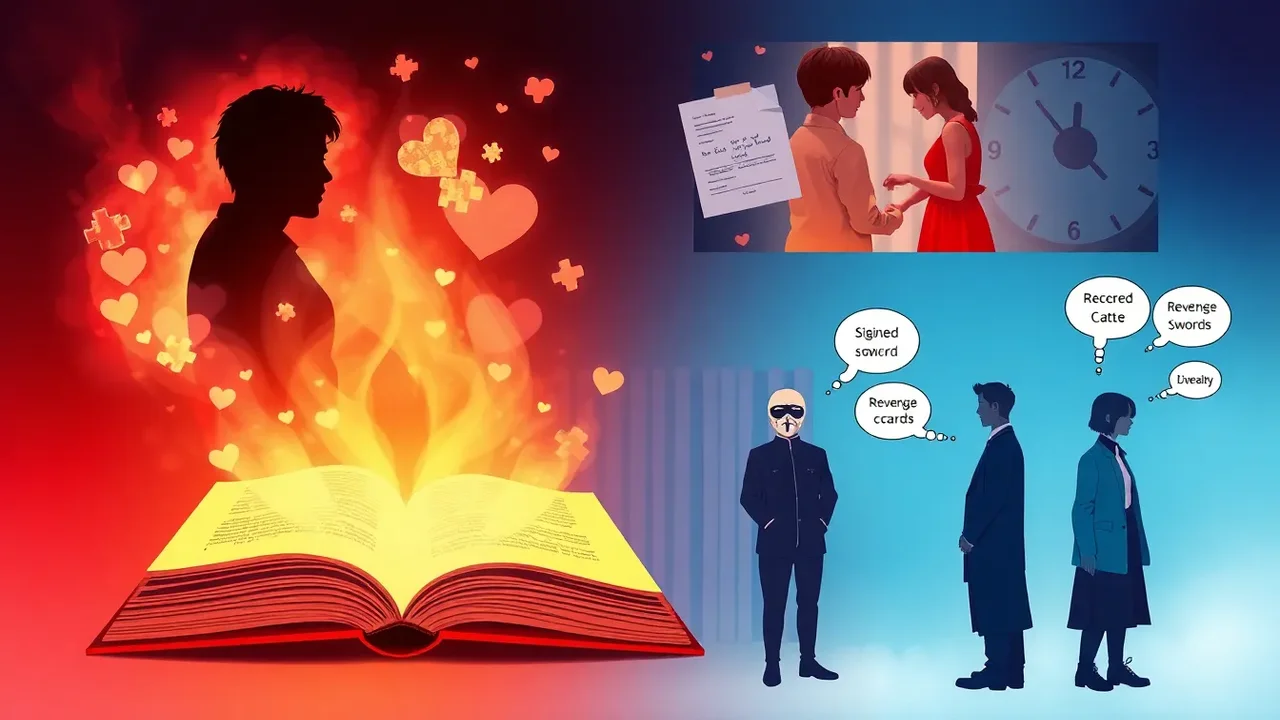
The amnesia trope is a staple in doramas, often used to reset a character's emotional state or create a mystery. In novels, this trope translates perfectly because it allows deep exploration of identity, memory, and relationships. A character loses their memory—either partially or completely—and must rebuild their sense of self while others react to their forgotten past. This creates immediate tension: Does the amnesiac revert to their true nature or become someone new? For example, in the dorama One Litre of Tears, memory loss accentuates the tragedy. In a novel, you can use amnesia to drive a dual timeline narrative, weaving flashbacks with present-day discoveries. Practical tips: decide early whether the memory will return, and use sensory triggers (a song, a scent) to unlock fragments. The trope works brilliantly in romance, thriller, and fantasy genres. A common pitfall is making the amnesia convenient—ensure the loss serves the plot and character development. Consider using a medical condition like dissociative amnesia for realism. In novels, the reader experiences the protagonist's confusion firsthand, making each revelation more impactful. The amnesia trope also allows for unreliable narration, as the character may misinterpret others' intentions. For authors, this is a powerful tool to explore themes of forgiveness, redemption, and the nature of love. One novel that nails this is Before I Go to Sleep by S.J. Watson, where a woman loses her memory every day. The dorama version often relies on visual cues; in writing, you rely on internal monologue and dialogue to convey disorientation. Overall, amnesia is a highly adaptable trope that enriches character arcs and plot twists.
Practical Implementation in Novels
- Establish the cause of amnesia early—accident, trauma, supernatural event.
- Use a journal or letters to reveal forgotten information.
- Create a support character who knows the truth but may not reveal it.
- Let the amnesiac make mistakes that haunt them later.
- Build a countdown if the memory is set to return at a specific trigger.
Contract Relationship: Love Under Obligation
The contract relationship trope—often seen in doramas like Boys Over Flowers or Full House—involves two characters entering a fake marriage or business arrangement that slowly turns real. Novels can explore this trope with depth by showing the internal negotiation and gradual emotional shift. Unlike a visual drama, a novel can dive into the characters' private thoughts, making the transition from transactional to genuine feel more organic. The key is to establish clear rules of the contract (e.g., no kissing, no jealousy) and then break them one by one. The trope works because it forces proximity and shared vulnerability. For example, in the dorama What's Wrong with Secretary Kim, the contract is an employment agreement, but in a novel, you could expand the backstory of why each character agreed. The trope is especially effective in romance and romantic comedy genres. Practical advice: give each character a selfish reason for entering the contract, then layer in a secret altruistic motive. Use the contract's expiration as a deadline for emotional confession. A table comparing common contract types across media can help visualize the differences:
| Trope Variant | Dorama Example | Novel Adaptation Potential | Key Strengths |
|---|---|---|---|
| Fake Marriage | Full House | High – can add legal complications | Forced cohabitation, family pressure |
| Fake Dating | My Lovely Sam Soon | Moderate – rely on dialogue | Public performance, private tension |
| Contract Employment | Secretary Kim | High – explore power dynamics | Office setting, hierarchical growth |
| Debt Repayment | Princess Hours | High – moral dilemmas | Obligation vs. desire |
When writing a contract relationship novel, ensure the terms are believable and that both characters have agency. The best examples show equal bargaining power, even if one appears weaker. Use the contract as a symbol of the barriers they must overcome. The trope translates seamlessly because it mirrors real-life situations where people enter agreements with mixed feelings—romanticizing the eventual authenticity.
Childhood Promise: The Forgotten Oath
In doramas, a childhood promise often serves as the narrative anchor—a vow made by young characters that haunts them as adults. Novels can exploit this trope by alternating timelines, showing the promise's origin and its present-day repercussions. The promise might be to marry, to protect, or to reunite. The beauty of this trope in a novel is that you can withhold the full context of the promise, only revealing it near the climax. It works in many genres: romance, fantasy, even mystery. For example, the dorama Moon Lovers: Scarlet Heart Ryeo uses a promise across time, but in a novel you can delve into the emotions of the child version and how they rationalized the oath. Practical tips: make the promise specific enough to be memorable but vague enough to create conflict. Use objects (a pendant, a letter) as physical reminders. The trope is powerful because it implies destiny, but subverting it can be even more interesting—what if one character doesn't remember? That adds a layer of unrequited longing. Novels like The Night Circus use a magical promise; doramas often use a red string of fate. The trope translates perfectly because it establishes a bond before the main story begins, giving depth to the relationship. Authors can play with the idea of whether the promise is binding (morally, magically, or legally) and how much the characters have changed since childhood. This trope also allows for poignant irony when the promise is finally fulfilled but in an unexpected way.
Revenge and Secret Identity: The Hidden Agenda
Doramas thrive on revenge plots where the protagonist returns with a new identity—think City Hunter or Healer. Novels are the perfect medium for this trope because they can slowly peel back layers of deception. A character assumes a false identity to infiltrate an enemy's circle, but over time, that persona becomes intertwined with their real self. The tension comes from the risk of exposure and the moral compromise. In a novel, you can explore the psychological toll of maintaining a lie: the loneliness, the guilt, and the moments of genuine connection that complicate the revenge. Practical advice: give the secret identity a backstory that explains the skills needed (e.g., learning a new language, mastering a profession). Use supporting characters who suspect or discover the truth gradually. This trope works exceptionally well in thriller, action, and romance genres. For instance, the novel The Count of Monte Cristo is a classic revenge secret identity story, and modern doramas borrow heavily from it. In writing, you can use multiple point-of-view chapters to show both the protagonist's hidden plans and the target's suspicions. The trope translates perfectly because novels allow for deep introspection about revenge's emptiness. A list of key elements for this trope includes:
- A clear motivation for revenge that readers can empathize with.
- A plausible cover identity with solid documentation (or magical disguise).
- A timeline for when the revenge will be exacted.
- Colateral characters who get caught in the crossfire.
- A redemption arc or a twist that questions the revenge itself.
Authors should avoid making the revenge too easy; obstacles must arise organically. The secret identity trope also pairs well with epistolary formats or diary entries to reveal hidden plans. Whether in a contemporary setting or historical fantasy, this trope keeps pages turning.
Misunderstanding and Miscommunication: The Unsaid Words
Perhaps the most maligned yet beloved dorama trope is the misunderstanding—characters assume the worst about each other due to half-heard conversations or deliberate lies. Novels can handle this trope with nuance by showing each character's internal reasoning, making the misunderstanding understandable rather than frustrating. In a visual medium, misunderstandings rely on timing and facial expressions; in writing, you can highlight the cognitive biases that lead to the error. For example, a character may misinterpret a text message because of their own insecurities. The key is to use misunderstanding as a catalyst for growth, not just a plot device. Successful novels like Pride and Prejudice are built on misunderstandings. Practical tips: limit the number of misunderstandings to one or two major ones, and resolve them with a clear, emotionally honest conversation. The trope works best when the characters are sympathetic and the misunderstanding is plausible. Use side characters who either inflame or resolve the situation. A common variation is the eavesdrop scene: a character hears only part of a conversation and flees before the clarification. In a novel, you can rewrite that scene from multiple perspectives to show how each character contributes to the miscommunication. This trope translates perfectly because it mirrors real-life relationship hurdles. The resolution should be earned, not forced. Avoid the 'big misunderstanding' that could be solved with a single sentence; instead, weave it into the characters' fears and past traumas. The best doramas and novels use misunderstanding to eventually bring characters closer, as they learn to communicate honestly.
FAQ - 5 Dorama Tropes That Translate Perfectly to Novels
Why do dorama tropes work so well in novel format?
Dorama tropes rely on emotional beats and character arcs that are easy to translate into prose. Novels allow deeper internal monologue and slower pacing, which can make tropes like amnesia or misunderstanding feel more nuanced and believable.
Which dorama trope is hardest to translate to a novel?
The visually-driven trope of 'slapstick misunderstanding' (e.g., physical comedy in doramas) can be challenging to write without visual cues. However, with clever dialogue and sensory description, it can be adapted effectively.
Can these tropes be combined in a single novel?
Absolutely. Many successful novels blend two or three tropes, such as a contract relationship with a childhood promise, or amnesia with a secret identity. The key is to ensure each trope serves the core plot and character development.
What are common pitfalls when writing contract relationship novels?
Common pitfalls include making the contract too far-fetched, ignoring the emotional growth of characters, or resolving the conflict too quickly. Ensure the terms of the contract are logical and that both characters have room to evolve.
How can I make the childhood promise trope feel fresh?
Subvert expectations by having one character reject the promise, or set it in a non-romantic context (e.g., a promise to save a kingdom). Use dual timelines to show how the characters have changed, making the eventual fulfillment surprising.
What is the best genre for the revenge secret identity trope?
Thriller and action genres are natural fits, but it also works well in romance (e.g., a spy falling in love with the target) and fantasy (magical disguise). The key is maintaining suspense while developing character relationships.
Five dorama tropes—amnesia, contract relationships, childhood promises, revenge secret identities, and misunderstandings—translate seamlessly into novels by leveraging deep internal monologue, dual timelines, and emotional nuance. Each trope offers a proven structure for romance, thriller, or fantasy genres, allowing writers to explore character growth and plot twists with depth and authenticity.
Dorama tropes like amnesia, contract relationships, childhood promises, revenge secret identities, and misunderstandings offer rich material for novelists. They tap into universal emotions—desire, betrayal, hope, and redemption—while providing ready-made narrative structures that can be deepened through prose. By adapting these tropes with careful attention to internal conflict, pacing, and plausibility, writers can create compelling stories that resonate with readers familiar with doramas and those new to the genre. The key is to honor the essence of each trope while injecting originality and complex character arcs. Whether you are a romance writer looking for a fresh angle or a thriller author exploring identity, these five tropes provide a solid foundation for a captivating novel.