Tip 1: Establish Emotional Stakes and Character Dynamics Immediately
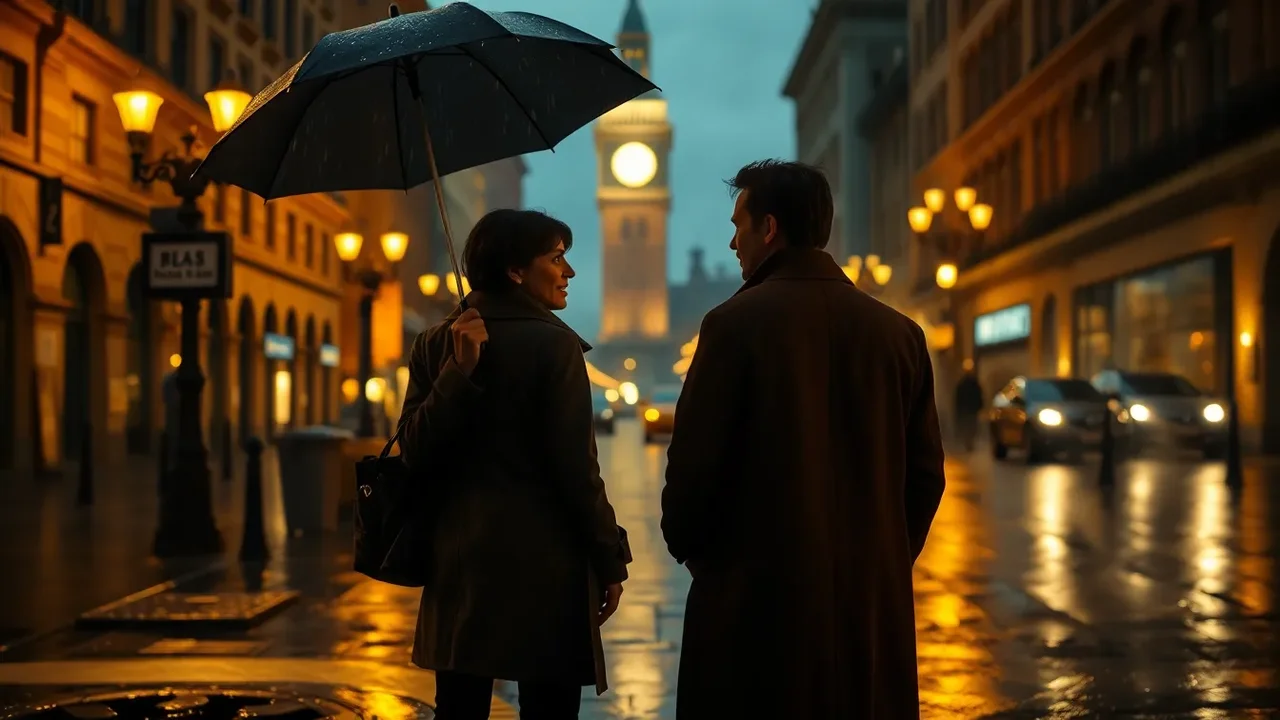
The first meeting scene is a crucible where character relationships are forged. To make it perfect, you must establish the emotional stakes from the very first line. Readers need to understand what this encounter means to each character involved. Is it a long-awaited reunion? A tense negotiation? A chance collision that will alter destinies? The emotional weight should be palpable. For example, if two former lovers meet after years apart, the air should crackle with unresolved tension, regret, or hope. Use body language, dialogue, and internal monologue to convey these stakes. A character might clench their fists, avoid eye contact, or speak in clipped sentences. The setting itself can mirror the emotional tone—a dimly lit café for a melancholic meeting, a bustling train station for a hurried, fateful encounter. Remember, the first meeting is not just about plot; it's about the emotional journey. Readers invest in characters they care about, so make them care immediately. Show vulnerability, desire, or conflict. For instance, in a mystery novel, a detective meeting a key witness might be fraught with suspicion and hidden agendas. The witness might fidget, the detective might lean in too close. Every gesture should hint at deeper motivations. Practical tip: Write a short paragraph from each character's perspective before the meeting to understand their goals and fears. Then, let those drive the scene. Avoid clichés like 'love at first sight' unless you subvert them. Instead, focus on unique, specific details that reveal character. A character who notices the other's chipped nail polish or worn shoes is showing attention to detail and perhaps empathy. The emotional stakes are the engine of the scene; without them, the meeting feels flat. Use sensory details—the smell of rain, the sound of a distant siren—to ground the reader in the moment. Finally, ensure the stakes escalate as the scene progresses. A simple hello can become a life-changing moment if the emotional undercurrents are strong. For example, in a fantasy novel, a peasant meeting a hidden prince might start with fear, shift to curiosity, and end with a pact. The emotional arc should be clear. By establishing stakes immediately, you hook the reader and set the stage for the entire story.
Tip 2: Use Setting and Sensory Details to Enhance the Encounter
The setting of a first meeting scene is not just a backdrop; it is an active participant. A perfect first meeting uses the environment to reflect or contrast the characters' emotions and to add layers of meaning. For instance, a meeting in a crowded marketplace can emphasize anonymity or chaos, while a quiet library can suggest intimacy or secrecy. Choose details that matter. If the scene takes place in a rain-soaked alley, the cold and wet can mirror a character's loneliness or desperation. If it's a sunlit garden, the warmth might symbolize hope or new beginnings. Sensory details are crucial: the scent of coffee, the texture of a worn leather chair, the distant hum of traffic. These elements immerse the reader and make the scene vivid. Consider the time of day—a dawn meeting might feel fresh and full of possibility, while a midnight encounter could be dangerous or romantic. The weather can also play a role: a storm can heighten tension, a gentle breeze can soften a moment. Practical example: In a thriller, a spy meeting a contact in a busy train station might use the crowd for cover, but the constant movement and noise create a sense of urgency. The characters might speak in code, their eyes darting around. The setting becomes a tool for pacing and suspense. Additionally, use the setting to reveal character. A character who chooses a secluded bench in a park might be private or cautious; one who meets in a loud bar might be reckless or seeking anonymity. The environment can also create obstacles or opportunities. A sudden downpour might force characters to share an umbrella, creating forced proximity. A broken elevator might trap them together, accelerating intimacy or conflict. When writing, list five sensory details for the setting before you begin. Then, weave them into the scene naturally, not as a laundry list. For example, instead of saying 'the room was cold,' say 'she shivered, pulling her coat tighter as the draft from the window whispered across her neck.' The setting should also change as the scene progresses. A café might start quiet and become noisy, reflecting rising tension. A forest path might darken as the sun sets, mirroring a growing threat. By using setting and sensory details strategically, you transform a simple meeting into a memorable, cinematic experience. Remember, the goal is to make the reader feel like they are there, not just observing from a distance. This immersion is what separates a good scene from a perfect one.
Tip 3: Craft Dialogue That Reveals Character and Advances Plot
Dialogue in a first meeting scene must do double duty: reveal character and advance the plot. Every line should serve a purpose. Avoid small talk unless it is deliberately used to show awkwardness or social masking. Instead, have characters speak in ways that expose their personalities, backgrounds, and desires. A confident character might speak in short, direct sentences; a nervous one might ramble or use fillers like 'um' and 'well.' The subtext is as important as the text. What is left unsaid often speaks louder. For example, if a character says, 'I'm fine,' but their hands are trembling, the reader knows the truth. Use interruptions, pauses, and changes in tone to create rhythm and tension. A character who cuts off another might be impatient or dominant; one who hesitates might be uncertain or hiding something. Practical tip: Read your dialogue aloud to hear how it sounds. Does it feel natural? Does it reveal something new? Also, consider the power dynamics. Who speaks first? Who asks the questions? Who deflects? In a first meeting between a boss and a new employee, the boss might control the conversation, while the employee might be deferential. But if the employee challenges the boss, that immediately sets up conflict. Dialogue can also be used to deliver exposition, but do it subtly. Instead of 'I'm a detective from New York,' have a character say, 'I've seen worse in Brooklyn precincts.' This shows origin without telling. Use dialect and vocabulary to indicate education, region, or social class, but avoid stereotypes. For example, a character from the South might say 'y'all,' but not in every sentence. The key is consistency. Additionally, dialogue can create chemistry or conflict. Witty banter can signal attraction; sharp retorts can signal rivalry. In a romance, the first meeting might involve playful teasing that hints at deeper connection. In a mystery, the dialogue might be filled with double meanings and lies. The reader should be able to infer character traits from how they speak. For instance, a character who uses jargon might be an expert; one who avoids direct answers might be evasive. Finally, ensure the dialogue moves the plot forward. The meeting should change something—a character learns a secret, makes a decision, or forms an alliance. The conversation should end with a new goal or question. For example, after a first meeting, a character might say, 'I'll meet you at midnight,' setting up the next scene. By crafting dialogue that is purposeful and revealing, you make the first meeting scene dynamic and essential to the story. Remember, great dialogue is like a sword fight—every thrust and parry matters.
Practical Table: Common First Meeting Scenarios and Their Emotional Cores
| Scenario | Emotional Core | Key Dialogue Strategy |
|---|---|---|
| Romantic Meet-Cute | Anticipation, curiosity, attraction | Playful banter, accidental touch, shared laughter |
| Rivalry Introduction | Tension, competition, suspicion | Short, clipped sentences, challenges, veiled threats |
| Mentor-Student First Encounter | Respect, nervousness, hope | Questions, listening, guidance offered |
| Enemy Confrontation | Fear, anger, determination | Accusations, silence, power plays |
| Reunion After Years | Nostalgia, regret, unresolved feelings | Hesitation, memories, awkward pauses |
Key Elements Checklist for a Perfect First Meeting Scene
- Emotional Stakes: Clearly define what each character wants and fears from this meeting.
- Setting Integration: Use the environment to mirror or contrast emotions and add sensory depth.
- Revealing Dialogue: Every line should expose character traits or advance the plot, with strong subtext.
- Body Language: Include gestures, posture, and facial expressions to show inner states.
- Pacing: Control the rhythm—slow down for intimate moments, speed up for tension.
- Unique Details: Avoid clichés; use specific, original observations that make the scene memorable.
- Escalation: The scene should build toward a turning point or decision that propels the story forward.
By following these three tips—establishing emotional stakes, using setting and sensory details, and crafting purposeful dialogue—you can write a first meeting scene that captivates readers and sets the foundation for compelling character relationships. Practice by rewriting a famous first meeting from a book or movie, applying these principles. Notice how small changes can transform the scene's impact. The perfect first meeting is not about perfection in the moment, but about creating a moment that feels inevitable and unforgettable. It is the spark that ignites the story's fire.
FAQ - Writing a Perfect First Meeting Scene
How long should a first meeting scene be?
There is no fixed length, but aim for 500-1500 words. It should be long enough to establish emotional stakes, reveal character, and advance the plot, but not so long that it loses momentum. Focus on quality over quantity; every sentence should serve a purpose.
What if my first meeting scene feels clichéd?
Identify the cliché (e.g., 'love at first sight' or 'accidental coffee spill') and subvert it. Add a unique twist—perhaps the coffee spill reveals a hidden tattoo or a secret message. Use specific, original details that reflect your characters' personalities and world. Also, consider the emotional core; clichés often feel flat because they lack genuine stakes.
How do I show chemistry between characters in a first meeting?
Use dialogue with playful banter, shared laughter, or meaningful pauses. Body language is key—leaning in, mirroring gestures, or prolonged eye contact. Show that they are attuned to each other's reactions. Also, create a moment of vulnerability where one character reveals something personal, and the other responds with empathy or intrigue.
Should I include internal monologue in a first meeting scene?
Yes, but use it sparingly. Internal monologue can reveal a character's true feelings and reactions, especially if they are hiding something. However, too much can slow the pace. Balance it with action and dialogue. For example, a character might think, 'He's dangerous,' while smiling politely. This creates dramatic irony and depth.
How do I handle a first meeting between multiple characters?
Focus on one or two key interactions to avoid overwhelming the reader. Use group dynamics to show alliances or tensions. For instance, one character might dominate the conversation while another hangs back. Use dialogue tags and body language to differentiate voices. Consider the power hierarchy and how each character's entrance affects the scene's energy.
What is the most common mistake in writing first meeting scenes?
The most common mistake is telling instead of showing. Writers often state emotions ('He was nervous') rather than demonstrating them through actions ('He fumbled with his keys, dropping them twice'). Another mistake is including too much backstory or exposition, which kills momentum. Trust the reader to infer from the characters' behavior and dialogue.
Write a perfect first meeting scene by establishing emotional stakes immediately, using setting and sensory details to enhance the encounter, and crafting dialogue that reveals character and advances plot. Avoid clichés, show don't tell, and ensure every element serves the story's momentum. These tips create memorable, impactful character introductions.
Mastering the first meeting scene is an art that combines emotional depth, sensory immersion, and purposeful dialogue. By establishing clear stakes, using the setting as a character, and crafting dialogue that reveals and advances, you create a moment that resonates with readers long after they turn the page. Remember, the perfect first meeting is not about perfection in the moment, but about creating a spark that ignites the story's journey. Practice these tips, revise with intention, and watch your scenes come alive with tension, chemistry, and meaning.